Aug 12, 202610 min readBy Aditya Singh
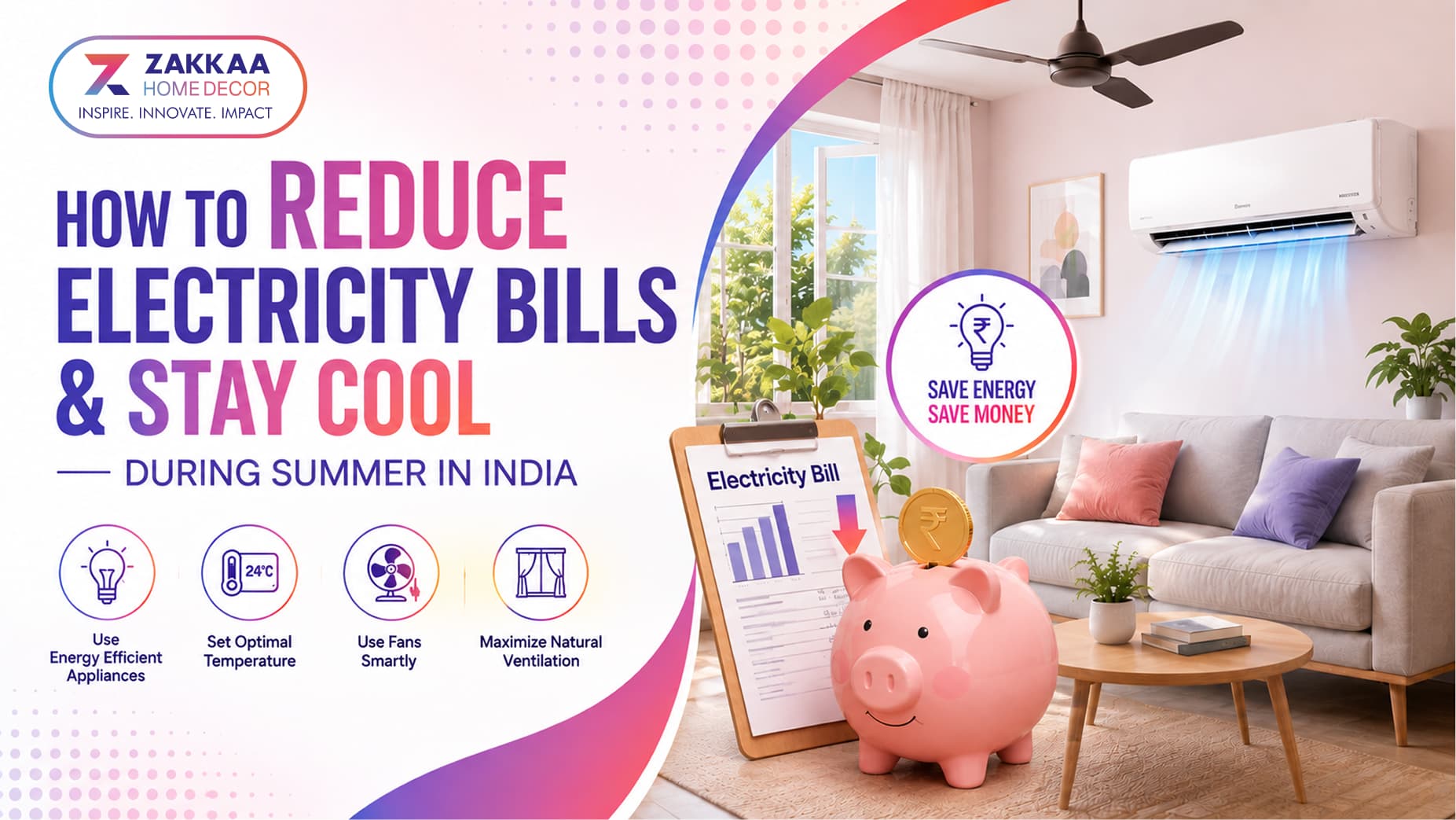
Summer electricity bills can rise quickly when fans, coolers, and air conditioners run for long hours. The good news is that you can stay comfortable without relying only on expensive cooling appliances or keeping them switched on all day. Simple changes in appliance usage, room ventilation, temperature settings, and daily habits can help reduce power consumption.
From choosing an energy efficient cooler to improving airflow and using cooling appliances at the right time, small changes can make a noticeable difference to your monthly bill. This guide covers practical energy saving tips for Indian homes that can help you manage cooling costs while staying comfortable during the summer.
10 Simple Ways To Reduce Electricity Bills During Summer
Reducing your summer electricity bill does not always require replacing every appliance in your home. Start with the way you use your existing cooling appliances and make a few practical changes.
1. Choose an Energy-Efficient Cooling Appliance
The cooling appliance you use has a direct impact on your electricity consumption. Air conditioners generally use more power than air coolers, while an energy-efficient cooler can provide affordable cooling with lower electricity consumption.
Before buying a new appliance, check its power consumption and choose a model that provides suitable cooling for your room without using more electricity than necessary.
If you live in a hot and dry part of India, an energy-efficient cooler can be a practical low-electricity cooling solution for everyday summer use.
2. Use Your Air Cooler In The Right Conditions
An air cooler works through evaporative cooling and performs best when there is proper air movement. Keeping every door and window tightly closed can reduce its cooling performance.
For better summer cooling, keep a window, door, or ventilator open to allow warm air to escape and fresh air to circulate. Good cross-ventilation helps the cooler distribute air more effectively.
This can help you get better cooling without continuously increasing the fan speed or running additional appliances.
3. Avoid Running The AC At Very Low Temperatures
If you use an air conditioner, avoid setting the temperature unnecessarily low. A moderate temperature can provide comfortable cooling while reducing the workload on the appliance.
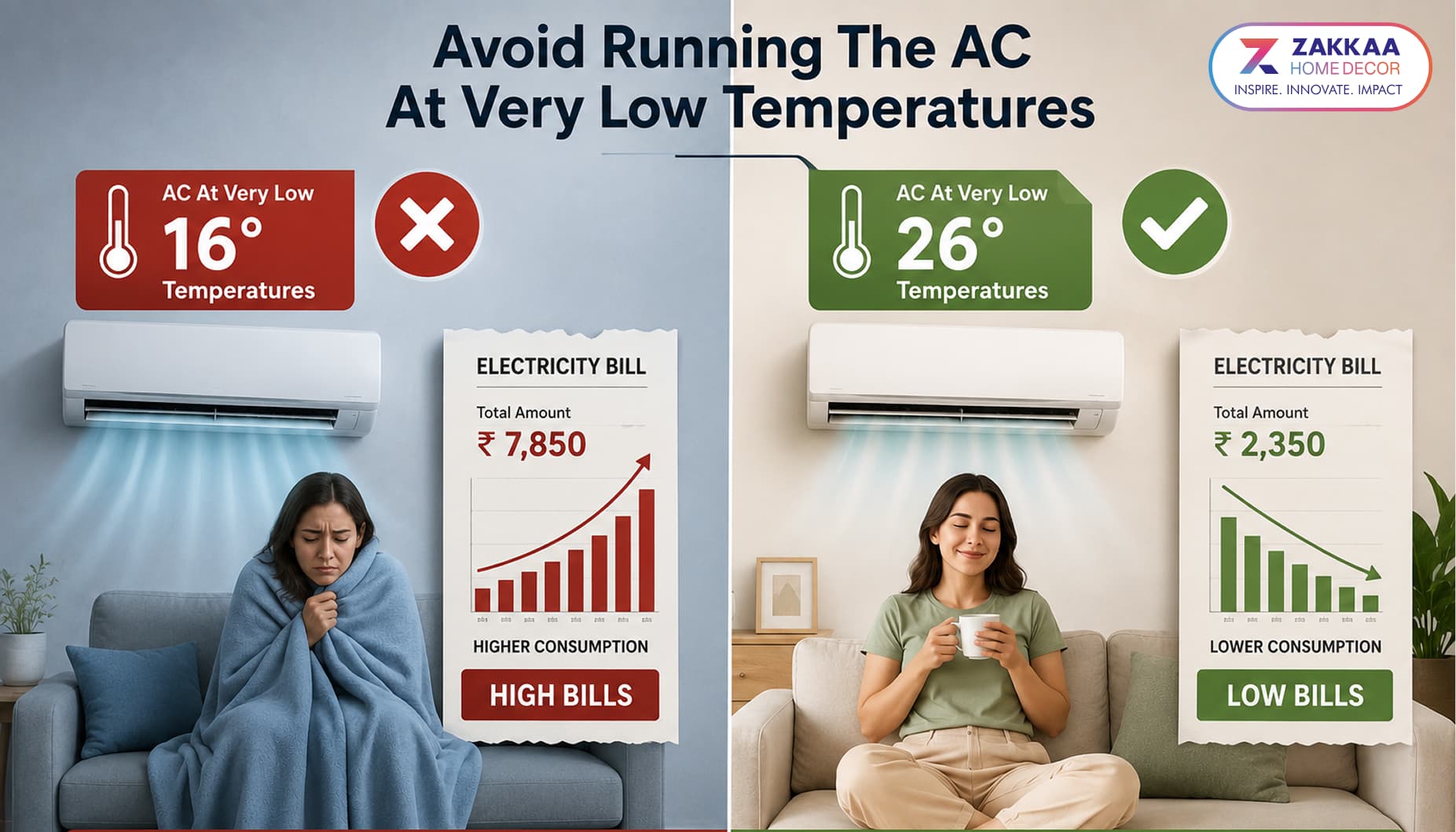
Instead of trying to make the room extremely cold, choose a comfortable setting and use the AC according to the actual weather and room conditions.
You can also use a ceiling fan along with the AC to circulate cool air more evenly across the room. Moreover, buying energy-efficient air conditioners from a reliable cooling manufacturer, helps you cut electricity bills.
4. Keep Cooling Appliances Clean
Dust and dirt can affect the performance of cooling appliances. Dirty filters, cooling pads, fans, and air outlets can restrict airflow and make the appliance work harder.
Clean your air cooler regularly, including its water tank, cooling pads, and air filters. If you use an AC, clean its filters according to the manufacturer's recommendations and arrange servicing when required.
Regular maintenance helps maintain airflow and prevents unnecessary energy consumption.
5. Keep Direct Sunlight Away From Rooms
Sunlight entering through windows can increase indoor temperature, particularly during the afternoon. Curtains, blinds, or suitable window coverings can help reduce the amount of heat entering the room.
For rooms that receive strong afternoon sunlight, keeping curtains closed during peak heat can make the space more comfortable and reduce the cooling load on your appliance.
This is a simple power-saving step that doesn't require any additional electricity.
6. Improve Airflow Inside Your Home
Good airflow can make a room feel cooler without increasing appliance usage. Keep air vents, windows, and cooler outlets clear of furniture or other objects that block air movement.
You can also position an air cooler where it can draw in fresh air and distribute cooled air across the room.
For larger rooms, think about where people actually spend their time and position the appliance accordingly rather than simply placing it in a corner.
7. Switch Off Appliances When They Are Not Needed
Leaving cooling appliances running in an empty room wastes electricity. If you're leaving a room for an extended period, switch off the cooler, AC, or fan instead of letting it run unnecessarily.
You can also avoid running multiple cooling appliances at full speed when one appliance is enough to keep the space comfortable.
This simple habit can contribute to electricity bill reduction over the entire summer.
8. Use Fans Along With Your Cooling Appliance
Fans do not actually lower room temperature in the same way as an AC or cooler, but they help circulate air around the room.
Using a ceiling or table fan along with an air cooler can help distribute cool air more evenly. With an AC, a fan can circulate conditioned air and allow you to feel comfortable at a slightly higher temperature setting.
The goal is better air distribution rather than simply increasing the cooling appliance's output.
9. Choose The Right Cooler Size
A cooler that is too small for your room may not provide sufficient airflow, while choosing an unnecessarily large model can waste space and resources.
Consider the size of your room, ventilation, number of occupants, and cooling requirements before buying. Different types of air coolers are designed for different spaces, so choose according to your actual needs.
A properly sized cooling appliance can provide better comfort without unnecessary power consumption.
10. Use Cooling Appliances According To The Weather
Not every summer day requires the same level of cooling. On relatively cooler mornings and evenings, you may not need to run your AC or cooler at its highest setting.
Take advantage of natural ventilation during cooler parts of the day and use cooling appliances when indoor temperatures actually require them.
This simple approach can reduce unnecessary air cooler electricity consumption and overall household power usage.
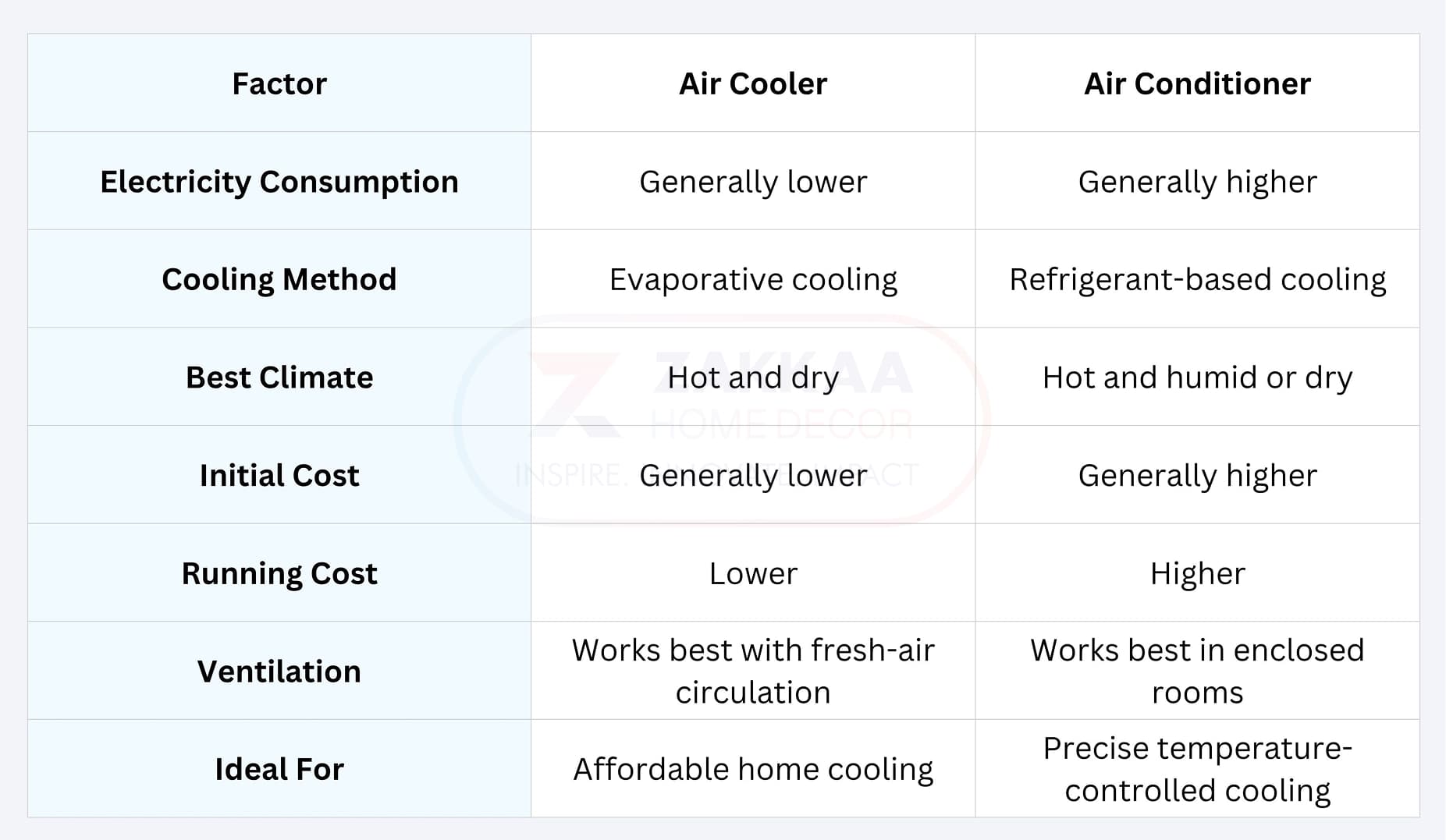
Air Cooler Vs AC: Which Uses More Electricity?
The major difference between an air cooler and an AC is their electricity consumption and cooling method. For most households, an air conditioner consumes considerably more electricity than an air cooler because an AC uses a compressor and refrigerant-based cooling system. An air cooler primarily uses electricity for its fan and water pump, making its power requirement much lower. However, actual consumption depends on the appliance's power rating, daily usage, room conditions, and operating hours.
How Much Electricity Does An Air Cooler Consume?
Air cooler electricity consumption depends on its motor power, operating hours, fan speed, and model. For example, a cooler rated at 150 watts running for 8 hours would theoretically use around 1.2 kWh (units) of electricity per day.
The calculation is simple:
Power consumption = Wattage × Hours of use ÷ 1,000
So, if a 150W air cooler runs for 8 hours:
150 × 8 ÷ 1,000 = 1.2 units per day
Actual consumption can vary depending on the model and how it is operated. Checking the appliance's rated wattage gives you a better idea of its potential electricity use before purchasing.
Which Cooling Appliances Are More Energy Efficient?
Different cooling appliances have different power requirements. Your choice should depend on the climate, room size, and level of cooling you need.
Air Coolers: Air coolers are generally a low-electricity cooling solution, particularly for hot and dry regions. They are useful when you want air circulation and cooling without the higher power consumption associated with air conditioning.
Ceiling Fans: Ceiling fans consume relatively little electricity and can improve air circulation. They work particularly well alongside coolers and ACs.
Inverter Air Conditioners: If you need an AC, an inverter model can adjust compressor operation according to cooling demand rather than running at a fixed speed continuously. This can help improve energy efficiency compared with suitable non-inverter models.
Energy-Efficient Fans: Modern fans with efficient motors can provide good airflow with lower power consumption. They are useful as standalone cooling appliances or alongside other cooling systems.
Practical Energy Saving Tips For Indian Summers
Beyond choosing the right appliance, your daily habits can also affect your electricity bill. Try these simple changes during the summer:
Keep doors and windows closed when using an AC.
Keep suitable ventilation when using an air cooler.
Clean cooling appliances regularly.
Use curtains to block strong afternoon sunlight.
Avoid unnecessary cooling in empty rooms.
Use fans to improve air circulation.
Choose appliances according to your room size.
Check power ratings before purchasing new appliances.
Use natural ventilation during cooler morning and evening hours.
Avoid running multiple cooling appliances unnecessarily.
These small steps can help reduce electricity usage without compromising everyday comfort.
How Zakkaa Helps With Energy-Efficient Cooling?
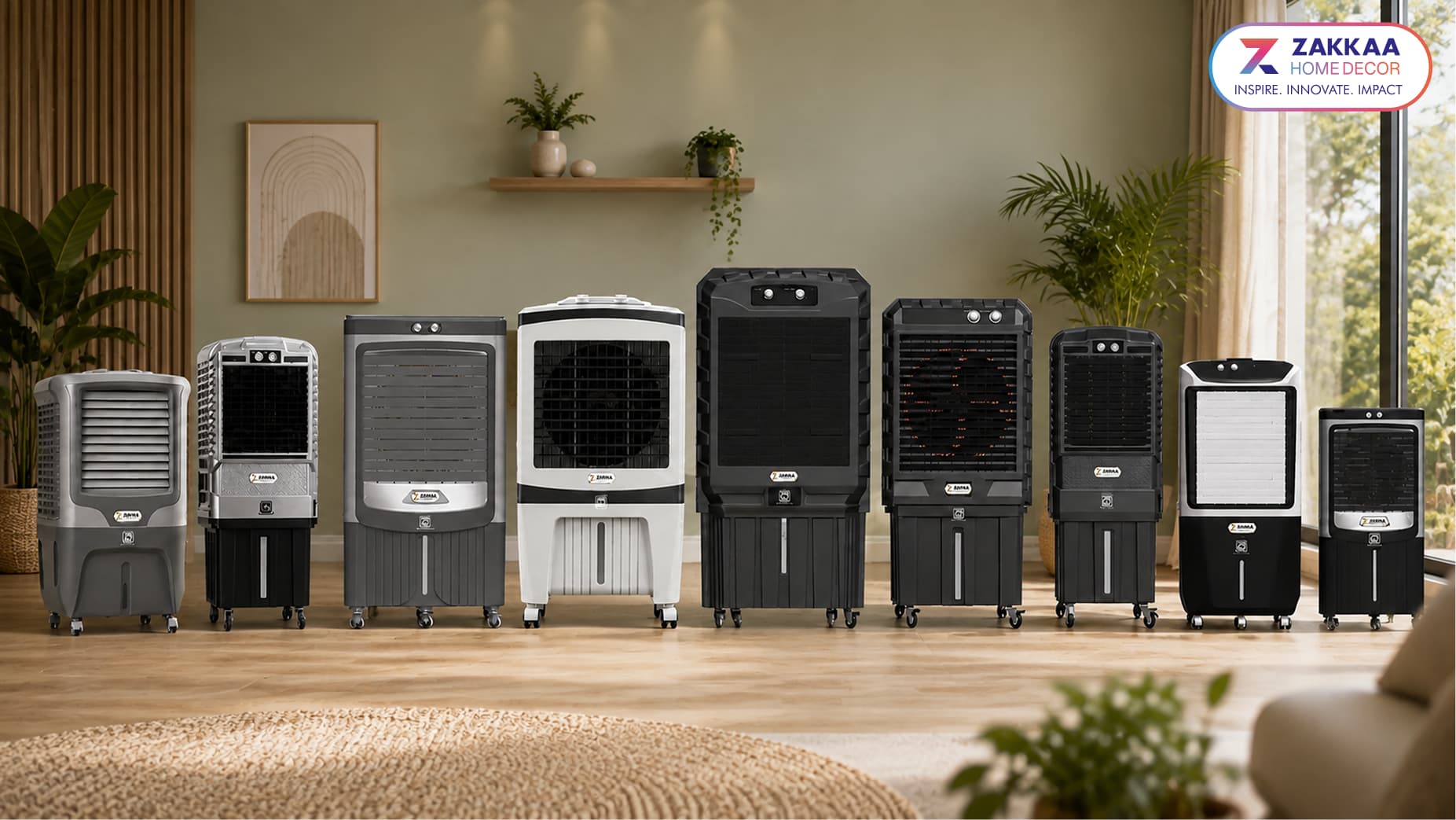
At Zakkaa, we manufacture air coolers designed for the cooling needs of Indian homes and businesses. Our range focuses on practical cooling, strong airflow, useful features, and energy-conscious operation for everyday summer use. From compact models for smaller rooms to higher-capacity coolers for larger spaces, our products are designed to provide cooling without the higher electricity consumption associated with many conventional AC-based cooling systems. Choosing the right capacity and using the cooler correctly can further improve its performance while helping you manage household cooling costs during India's hot summer months.
Conclusion
Reducing your summer electricity bill is possible without giving up comfortable cooling. Choosing the right appliance, improving ventilation, maintaining your cooler, managing AC usage, and making simple daily changes can all reduce unnecessary power consumption. An energy-efficient cooler can be a practical choice for households looking for affordable cooling, particularly in hot and dry parts of India. Explore Zakkaa's range of air coolers for practical summer cooling with lower electricity consumption.
Frequently Asked Questions
How Can I Reduce My Electricity Bill During Summer?
Use energy-efficient cooling appliances, improve ventilation, clean filters and cooling pads regularly, block direct sunlight, and switch off appliances when they are not needed.
Does An Air Cooler Consume Less Electricity Than an AC?
Yes, an air cooler generally consumes much less electricity than an AC because it mainly uses a fan and water pump instead of a compressor-based cooling system.
Is An Air Cooler a Low-Electricity Cooling Solution?
Yes. Air coolers generally require less electricity than air conditioners, making them a practical option for affordable home cooling in suitable climates.
How Much Electricity Does a 150W Air Cooler Use?
If a 150W cooler operates continuously for 8 hours, it would theoretically consume about 1.2 units of electricity. Actual consumption may vary based on usage and the model.
Does Using A Fan With An Air Cooler Save Electricity?
Yes, using a fan can help distribute cool air around the room, potentially allowing you to operate the cooler at a lower setting. Actual savings depend on the appliances and usage pattern.
Should Windows Be Open When Using An Air Cooler?
Yes. Air coolers work best with proper ventilation. Keeping suitable openings for fresh air and warm air to escape can improve cooling performance.
How Can I Make My AC Consume Less Electricity?
Set a comfortable temperature, clean the filters regularly, keep doors and windows closed, prevent direct sunlight from entering, and avoid cooling empty rooms.
How Does Zakkaa Help With Energy-Efficient Cooling?
Zakkaa manufactures air coolers designed for Indian cooling requirements, offering practical models focused on airflow, everyday comfort, and energy-conscious operation.