Aug 17, 202610 min readBy Aditya Singh
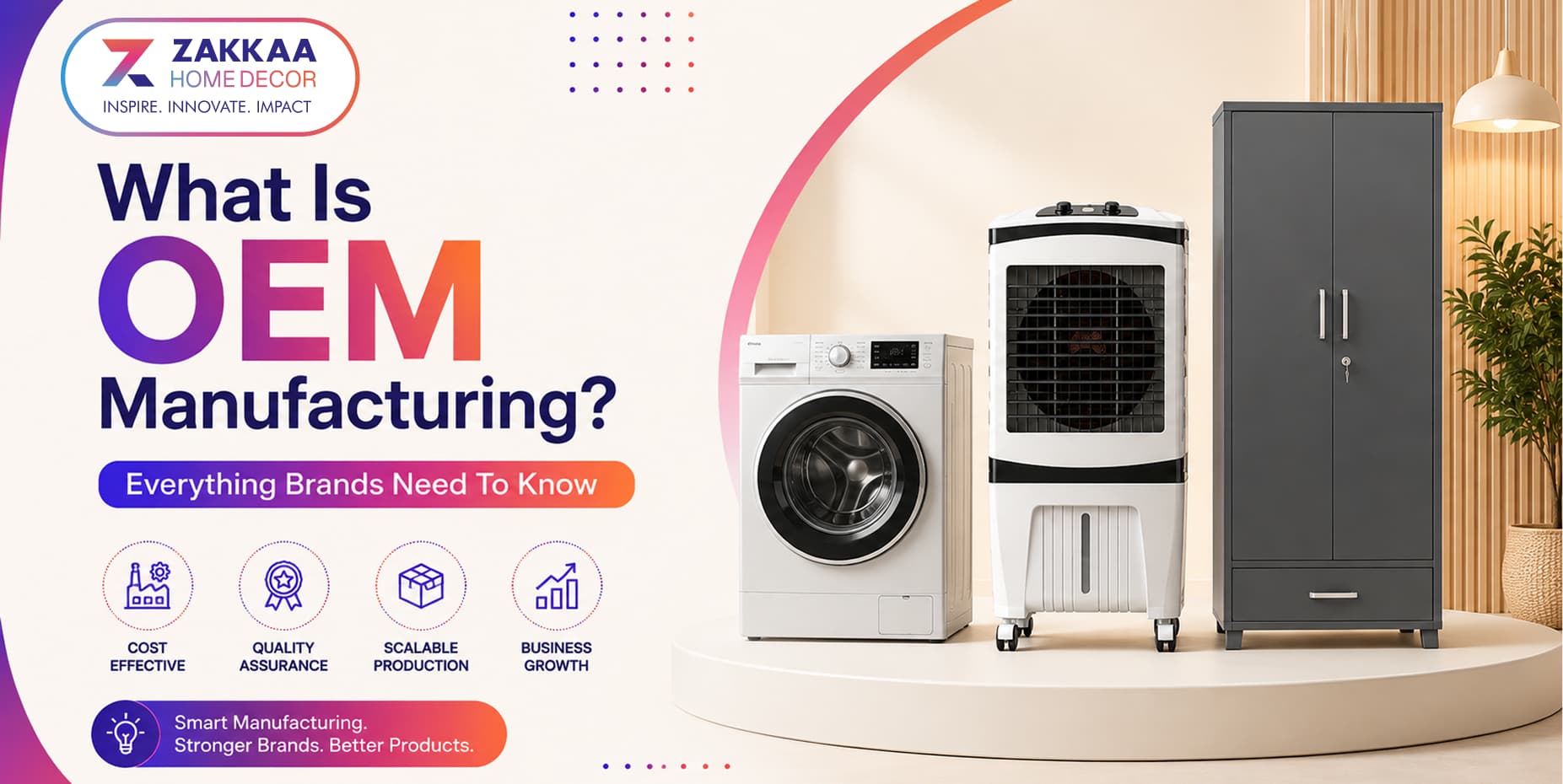
Want to launch a new product without first building a factory? That is the practical appeal of OEM manufacturing. In simple terms, OEM (Original Equipment Manufacturer) manufacturing lets a brand sell products under its own name while an experienced manufacturer handles production according to the brand’s specifications, design, quality standards, and commercial requirements.
For an Indian business entering consumer durables, electronics, appliances, furniture, automotive products, or another manufacturing category, the real attraction is not simply avoiding a factory.
It is gaining access to existing machinery, OEM production teams, supplier networks, manufacturing know-how, and quality processes without taking on the full burden of building and running that infrastructure from scratch.
But OEM manufacturing is not a “send the design and receive the product” arrangement. The outcome depends on how clearly the product is defined, who controls specifications and quality, how materials are sourced, what production volumes are expected, and how responsibilities are divided between the brand and manufacturer.
This guide breaks down how OEM manufacturing works in India, from product development and sourcing to production, quality control, packaging, pricing, and the decisions that can determine whether an OEM partnership works well for your brand.
What Is OEM Manufacturing?
OEM (Original Equipment Manufacturer) manufacturing is a business arrangement where a manufacturer produces a product for another company, which then sells that product under its own brand name. The brand may provide product specifications, designs, technical requirements, or other guidelines, while the manufacturer manages the production process.
For example, a home-appliance brand may want to launch air coolers but may not have its own manufacturing plant. Instead of building a factory, purchasing machinery, and hiring a complete production team, the brand can choose an OEM manufacturing partner that already has the required manufacturing capabilities.
The manufacturer produces the products according to the agreed requirements, while the brand handles areas such as branding, marketing, distribution, and sales.
This makes OEM production different from simply purchasing generic products from a supplier. The manufacturing relationship can involve specific product requirements, quality standards, packaging, quantities, and other agreed specifications.
What Does An OEM Manufacturer Do?
An OEM manufacturer takes a brand's product requirement and turns it into a finished product ready for sale. Depending on the project, this can start with raw material sourcing and component procurement and continue through CNC machining, sheet metal cutting, bending, welding, fabrication, assembly, surface finishing, and packaging.
For consumer durables such as washing machines, air coolers, refrigerators, ACs, and steel almirahs, the manufacturer may manage several production stages under one manufacturing setup, helping the brand avoid coordinating with multiple vendors.
The manufacturer's role can also extend beyond production. An experienced OEM supplier may develop samples, suggest manufacturing improvements, conduct in-process and final quality checks, test finished OEM products, plan bulk production, and prepare orders for dispatch.
The exact scope depends on the agreement, so brands should clearly define specifications, materials, quality standards, customization, packaging, production quantities, timelines, and delivery responsibilities before starting an OEM partnership.
OEM Manufacturing Process: From Design To Finished Product
OEM manufacturing is more than simply producing a product under another company's brand. It involves a series of manufacturing steps that turn the brand's requirements or product design into a finished, tested product ready for the market. The exact process varies by product, but a typical OEM production cycle includes the following stages.
1. Product Design And Specifications
The process begins with the brand sharing its product requirements, drawings, dimensions, materials, features, performance expectations, and other specifications. The OEM manufacturer reviews these requirements to understand how the product can be manufactured at the required quality and quantity.
For a new product, the manufacturer may also help with design adjustments, material selection, manufacturing feasibility, and prototype development.
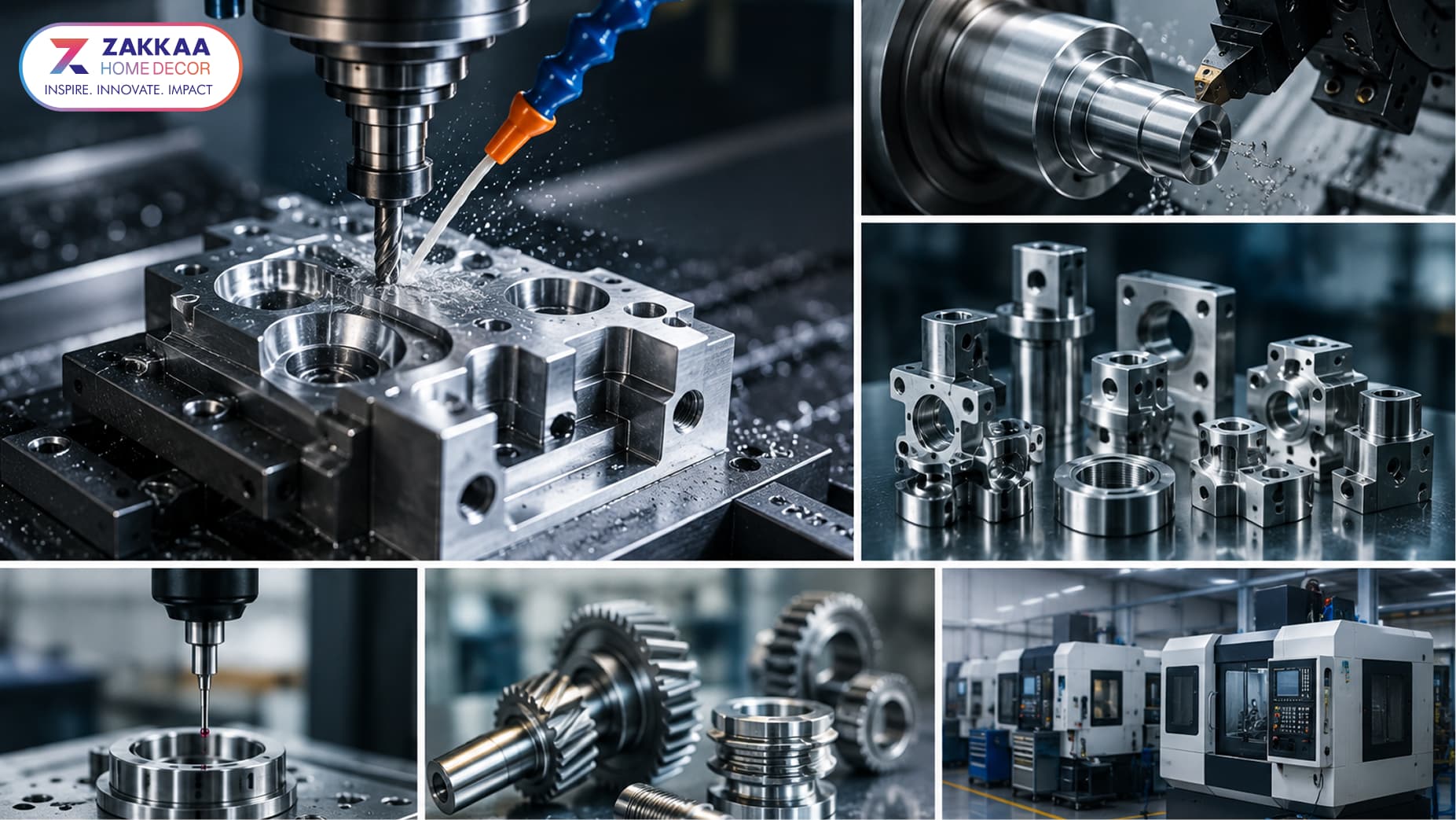
2. CNC Machining And Precision Manufacturing
CNC machining uses computer-controlled machines to cut, drill, mill, or shape materials according to precise digital designs. It is commonly used when products require accurate dimensions, holes, grooves, components, or other detailed parts.
For OEM products, CNC machining can help maintain dimensional accuracy and repeatability across production batches.
3. Sheet Metal Cutting And Fabrication
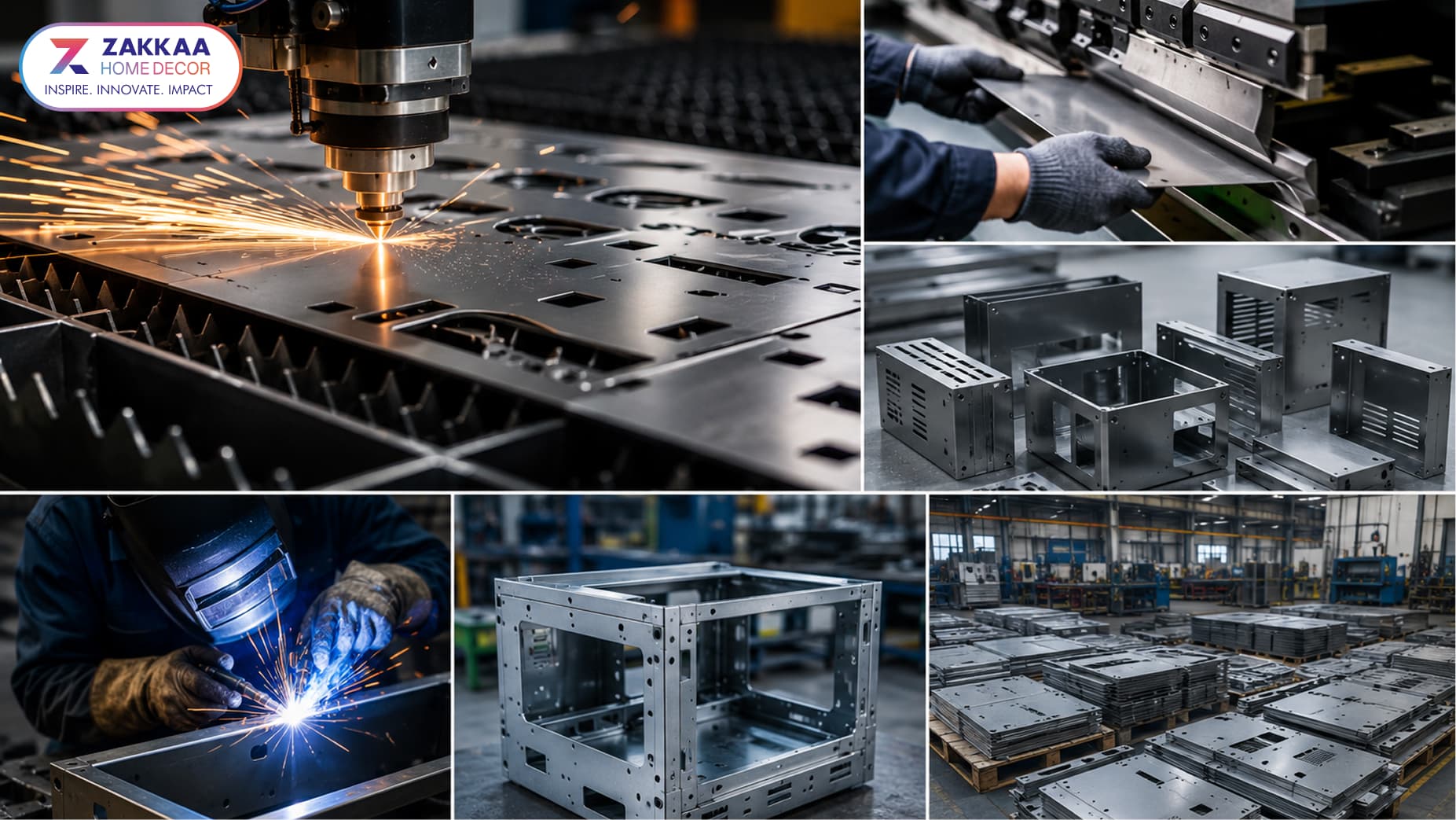
For products such as washing machines, air coolers, refrigerators, air conditioners, steel almirahs, and other consumer durables, sheet metal can form an important part of the product.
The metal sheets may be cut according to the required dimensions using suitable cutting equipment. Depending on the product, the manufacturing process can then include bending, punching, forming, drilling, and other fabrication operations.
4. Bending And Forming
After cutting, metal components may need to be bent or formed into the required shape. Machines such as press brakes can create accurate bends according to the product design.
This stage helps transform flat sheets into panels, cabinets, brackets, frames, and other components used in the final product.
5. Welding And Component Joining
Different fabricated components may need to be joined together before assembly. Welding is used to create strong joints between suitable metal parts.
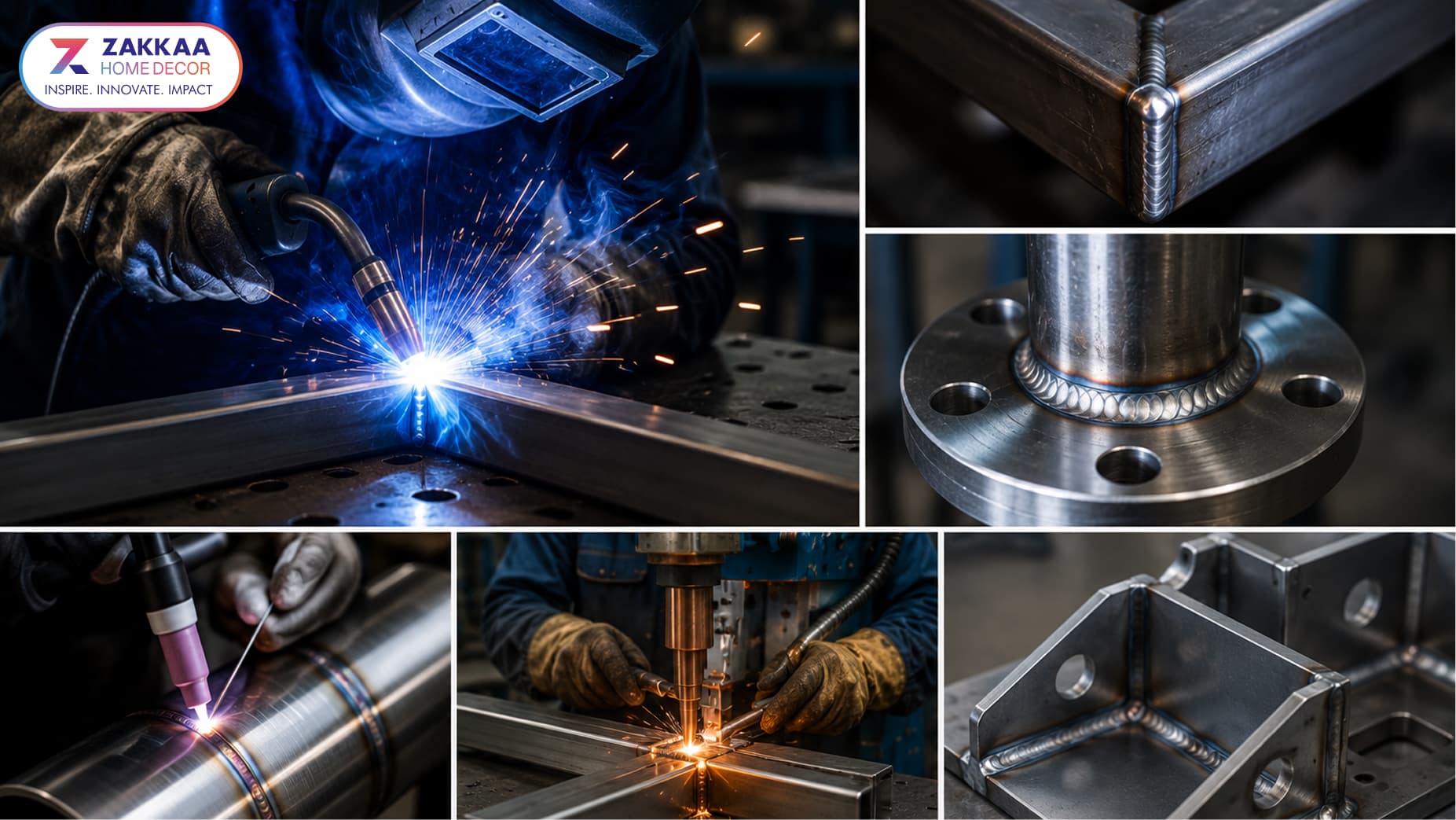
Depending on the product and design, manufacturers may use different welding methods to create the required structure while maintaining the specified dimensions and finish.
6. Surface Treatment And Powder Coating
Metal components often undergo surface preparation before finishing. Powder coating is commonly used for products that require a durable and uniform surface finish.
The process involves applying powder coating to prepared metal surfaces and curing it under controlled conditions. This can improve the product's appearance while providing a protective finish suitable for regular use.
7. Component Assembly
Once individual parts are manufactured and finished, they are brought together during the assembly stage. Depending on the product, this can include mechanical parts, electrical components, motors, wiring, panels, fittings, and other components.
For consumer durable products, proper assembly is important because the performance of the final product depends on how accurately its individual components work together.
8. Product Testing
Finished products undergo relevant testing before they are approved for dispatch. Testing requirements vary according to the product category and specifications.
For example, a manufacturer may check dimensions, electrical functions, mechanical operation, cooling or washing performance, safety-related requirements, or other product-specific parameters.
9. Quality Inspection
Quality inspection can take place at different stages rather than only after the product is completely assembled. Raw materials, fabricated components, finished parts, assembly, appearance, dimensions, and final product performance may be checked against agreed specifications.
This helps identify manufacturing issues before products reach the customer.
10. Packaging And Dispatch
After final inspection and approval, products are packed according to the agreed packaging requirements. The finished products are then prepared for transportation to the brand's warehouse, distributor, retail network, or other specified destination.
This final stage completes the OEM production cycle, allowing the brand to receive market-ready products under its own branding.
OEM Manufacturing Vs Contract Manufacturing
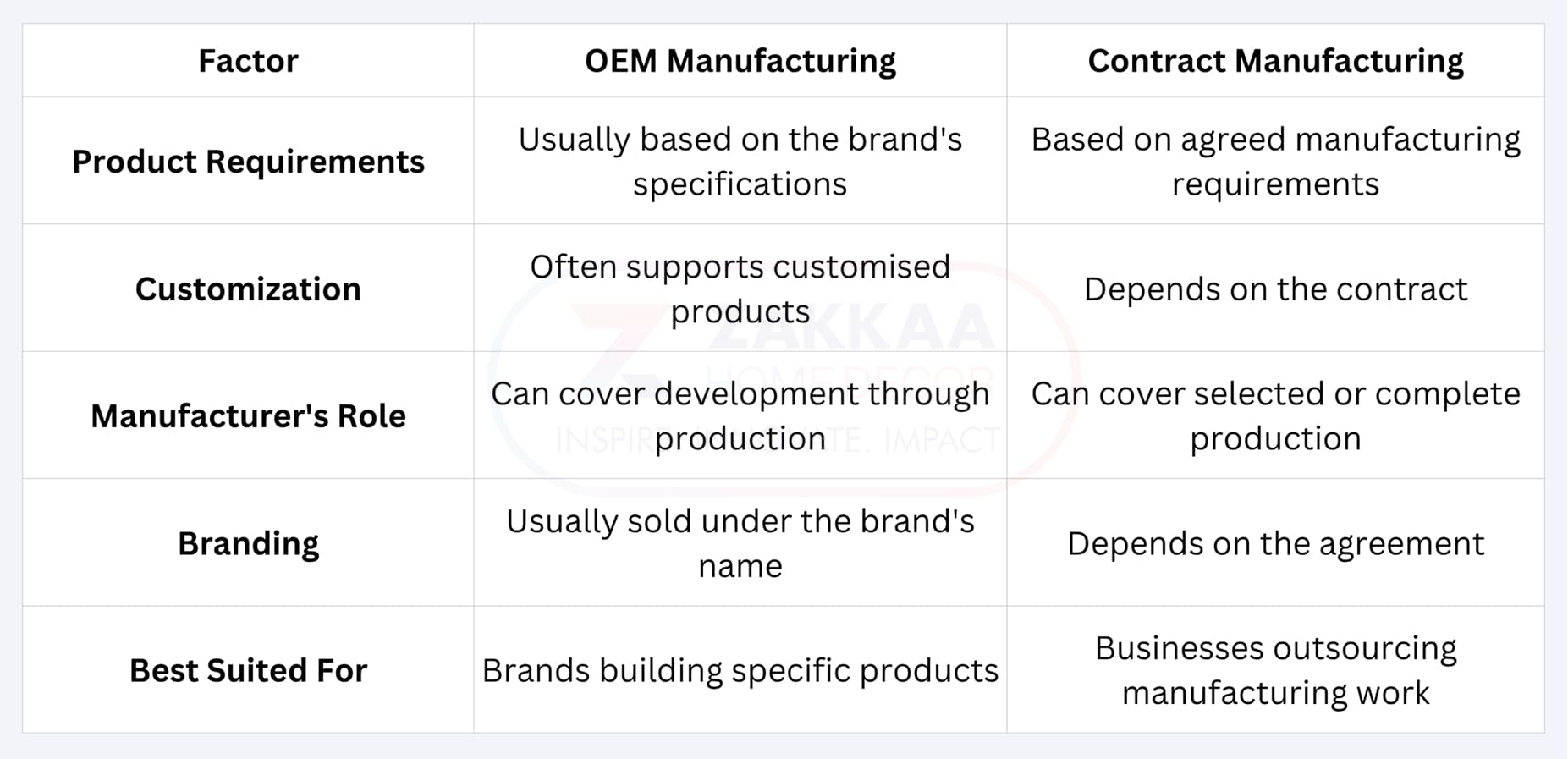
The main difference between OEM and contract manufacturing is the level of product involvement and how the manufacturing relationship is structured. In OEM manufacturing, a brand typically provides product specifications, design requirements, or an existing product concept, while the OEM manufacturer produces it according to those requirements.
On the other hand, contract manufacturing is a broader arrangement where a business hires another company to manufacture products or specific components based on an agreed contract. For example, a home-appliance brand may approach an OEM manufacturer to produce a customised air cooler, washing machine, or refrigerator under its own brand name.
In contract manufacturing, the same brand could outsource only a particular production activity, component, or complete product depending on the agreement. In both cases, the manufacturer handles production, but the scope of involvement, product ownership, customization, and responsibilities should be clearly defined in the contract.
OEM Manufacturing Vs Third Party Manufacturing Vs Private Label Manufacturing
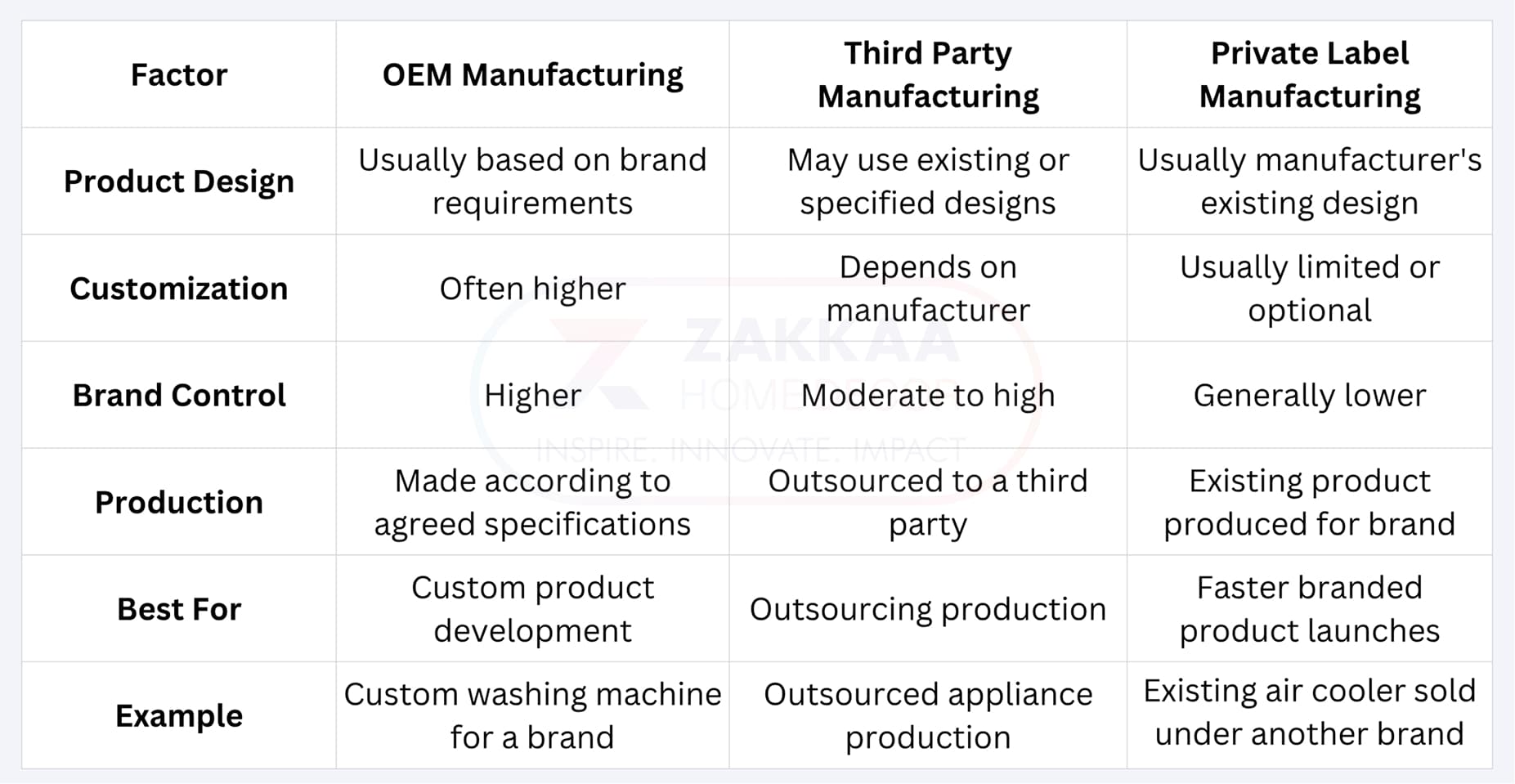
The key difference lies in how much control the brand has over the product, design, and manufacturing requirements.
OEM manufacturing generally involves producing a product according to the brand's specific requirements, while third-party manufacturing means outsourcing production to another manufacturer.
Private label manufacturing usually involves choosing an existing product from a manufacturer and selling it under the brand's own name, with customization depending on the supplier.
For example, a brand launching its own customised washing machine may work with an OEM manufacturer to produce it according to defined specifications.
A business outsourcing the production of an already-defined product can use third-party manufacturing, while a retailer wanting to sell an existing air cooler or appliance under its own brand may choose private label manufacturing. The exact meaning can vary across industries, so brands should always check the actual scope of the manufacturing agreement.
Benefits of OEM Manufacturing For Indian Brands
OEM manufacturing can offer several advantages for brands that want to enter or expand within product categories without building their own manufacturing infrastructure.
Lower Infrastructure Investment: Building a manufacturing facility requires significant investment in land, machinery, production systems, workers, utilities, maintenance, and quality infrastructure.
Outsourcing production can reduce the need for a brand to make all these investments upfront.
Faster Market Entry: Working with an established manufacturer can help brands move from product planning to production without building an entire manufacturing operation first.
The actual timeline depends on product complexity, customization, testing, order quantity, and manufacturer capacity.
Access To Manufacturing Expertise: An experienced manufacturer may already have trained teams, production equipment, supplier relationships, and quality processes required for a particular product category.
This can be especially useful for brands entering consumer durable manufacturing for the first time.
Product Customization: Many OEM manufacturers can produce products according to specific requirements.
Brands may be able to customize dimensions, materials, colours, finishes, components, features, packaging, and other aspects depending on manufacturing capabilities.
Scalable Production: As demand grows, brands can increase production volumes without necessarily expanding their own manufacturing infrastructure.
However, production capacity and minimum order quantities should be discussed with the manufacturer in advance.
Focus On Branding And Sales: Outsourcing production allows brands to spend more time on marketing, distribution, customer relationships, product positioning, and sales while the manufacturing partner handles production.
Why Choose Zakkaa As Your OEM Manufacturing Partner?
At Zakkaa, we manufacture consumer durables and sheet metal products for brands looking for dependable OEM manufacturing services in India. Our manufacturing capabilities cover product categories such as washing machines, air coolers, refrigerators, air conditioners, steel almirahs, and sheet metal fabrication, depending on the project requirements.
We work with brands that need products manufactured according to defined specifications, quality expectations, design requirements, and commercial needs. Our focus is not simply on producing large quantities but on understanding the product requirements and building a suitable manufacturing approach around them.
From material processing and fabrication to assembly, finishing, quality checks, and production, our manufacturing capabilities are designed to support businesses looking for a reliable OEM supplier in India.
Wrap Up
OEM manufacturing gives Indian brands an opportunity to build and sell products without investing in an entire manufacturing setup from the beginning. By working with the right OEM manufacturer, brands can access production capabilities, customization, quality processes, and scalable manufacturing support while focusing on sales and brand growth. However, the right partnership depends on more than pricing. Check the manufacturer's capabilities, quality processes, capacity, customization options, and commercial terms before choosing your OEM manufacturing partner.
Frequently Asked Questions (FAQs)
What Does an OEM Manufacturer Do?
An OEM manufacturer produces products according to agreed specifications and may handle activities such as material sourcing, fabrication, assembly, testing, quality inspection, finishing, and packaging.
Can OEM Manufacturers Customise Products?
Many OEM manufacturers offer customisation, but the available options depend on their machinery, technical capabilities, product category, and development facilities.
How Much Does OEM Manufacturing Cost In India?
OEM manufacturing costs vary according to the product, materials, components, customization, order quantity, tooling, testing, packaging, and manufacturing processes.
What Should I Check Before Choosing an OEM Manufacturer?
Check manufacturing capabilities, quality processes, production capacity, MOQ, customization options, pricing, timelines, packaging, testing, and commercial terms.
Why Should Brands Choose An OEM Manufacturer In India?
Working with an Indian OEM manufacturer can provide access to local production capabilities, supply networks, manufacturing expertise, and easier coordination for brands targeting the Indian market.