Oct 08, 20269 min readBy Aditya Singh
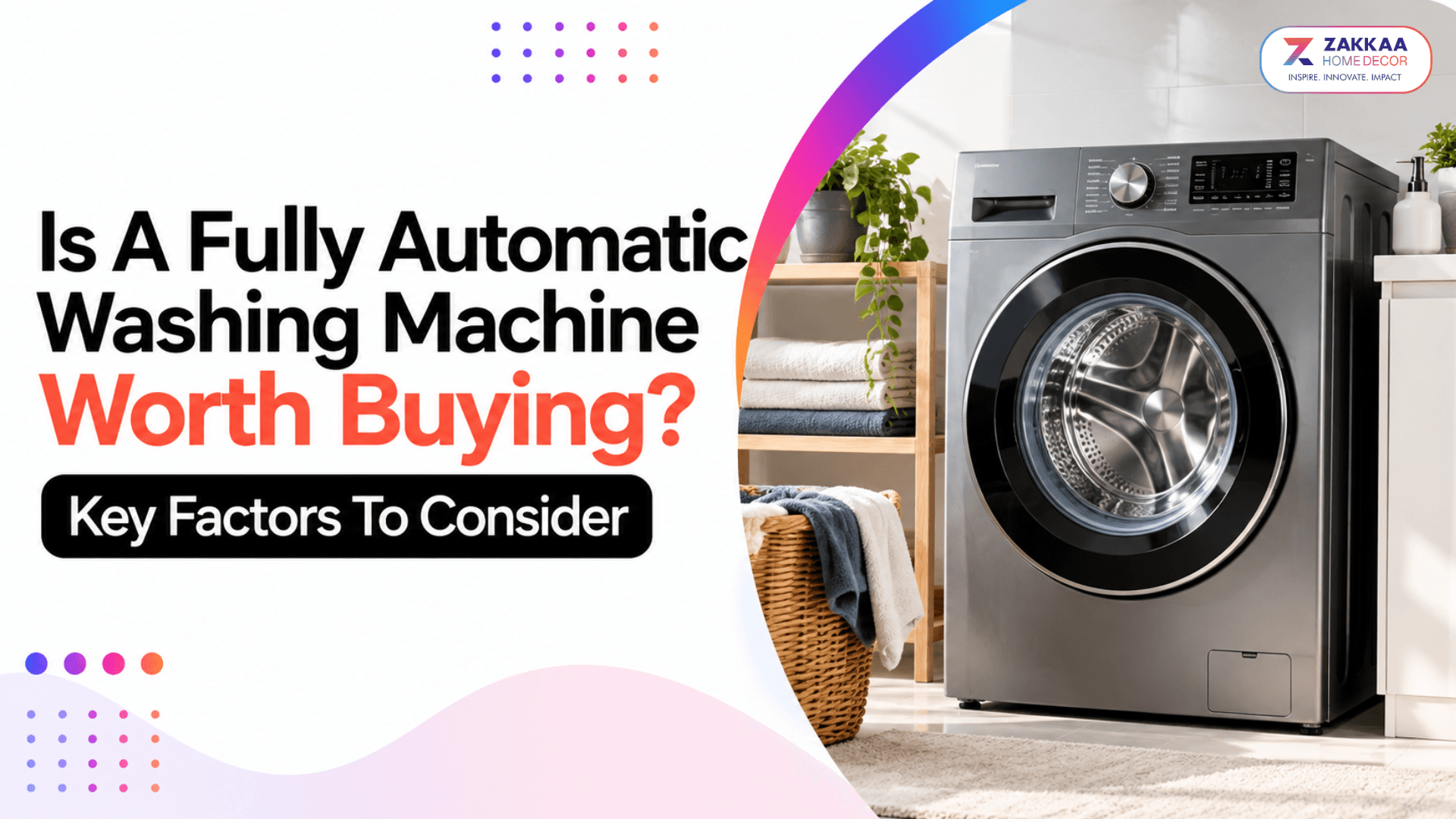
A washing machine is one of those home appliances that you expect to make daily life easier, not add another task to your routine. That is why fully automatic washing machines have become popular among Indian households, especially where busy schedules leave little time for handling every stage of laundry manually.
Still, the higher price can make you pause before buying a washing machine. Does the convenience actually justify the extra cost? Factors such as washing performance, water usage, electricity consumption, load capacity, programmes, maintenance, and the type of washing machine you choose can all affect the value you get.
The answer is not the same for every household. This guide looks at the practical benefits, limitations, running costs, and buying considerations to help you decide whether a fully automatic washing machine is worth the investment for your home.
How Does a Fully Automatic Washing Machine Work?
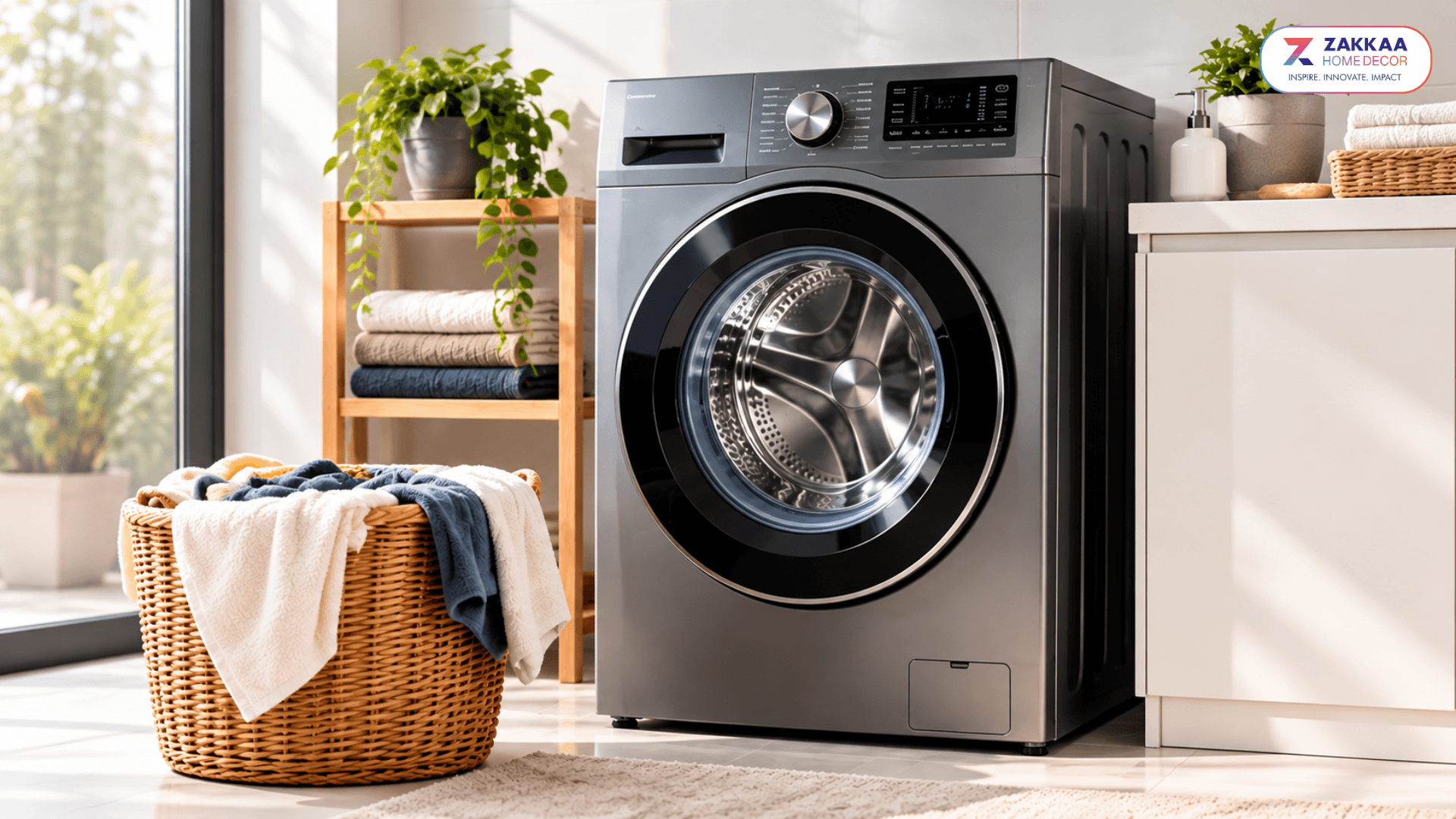
A fully automatic washing machine handles washing, rinsing, and spinning within the same drum or wash system. Once you load the clothes, add detergent, select a suitable program, and start the machine, it manages the primary stages of the cycle without requiring you to transfer clothes manually.
This is the biggest difference from a semi-automatic washing machine, where clothes generally need to be moved from the wash tub to the spin tub. For households that wash clothes frequently, removing this extra step can make everyday laundry considerably easier.
However, automation alone should not determine the purchase. A machine needs to suit the household's laundry volume, available space, water conditions, preferred wash programs, and budget.
Key Factors To Consider Before Buying A Washing Machine
A washing machine is a long-term home appliance, so a model that looks good in the showroom may not always suit your household. Family size, washing habits, available space, water supply, electricity use, and budget can all influence the better choice. These practical factors can help you narrow down the right washing machine for your home.
1. Washing Capacity
Capacity should match the amount of laundry generated by the household. Buying a machine that is too small can mean running multiple cycles, while choosing a much larger capacity than necessary can increase the purchase cost without delivering much additional value.
A practical way to assess capacity is to consider how frequently laundry is washed and whether the household regularly handles bulky items such as bedsheets, towels, or heavier garments.
For example:
Smaller households: Lower capacities may be sufficient for regular everyday clothing.
Medium-sized families: A moderate-capacity machine can handle larger routine loads.
Larger families: Higher capacities can reduce the number of cycles required.
The objective is not to select the biggest drum available, but to choose one that fits the household's typical load.
2. Top Load Or Front Load
Fully automatic machines are available in both top-load and front-load formats. Each has a different operating experience, so the choice should depend on the user's priorities.
Top-load fully-automatic washing machines allow clothes to be loaded from above and can be convenient for users who prefer easy access to the drum. They are often considered practical for everyday household washing.
Front-load fully-automatic washing machines load from the front and can offer strong washing performance along with the possibility of stacking the appliance with compatible equipment in suitable installations. They can be useful where space planning and washing performance are priorities.
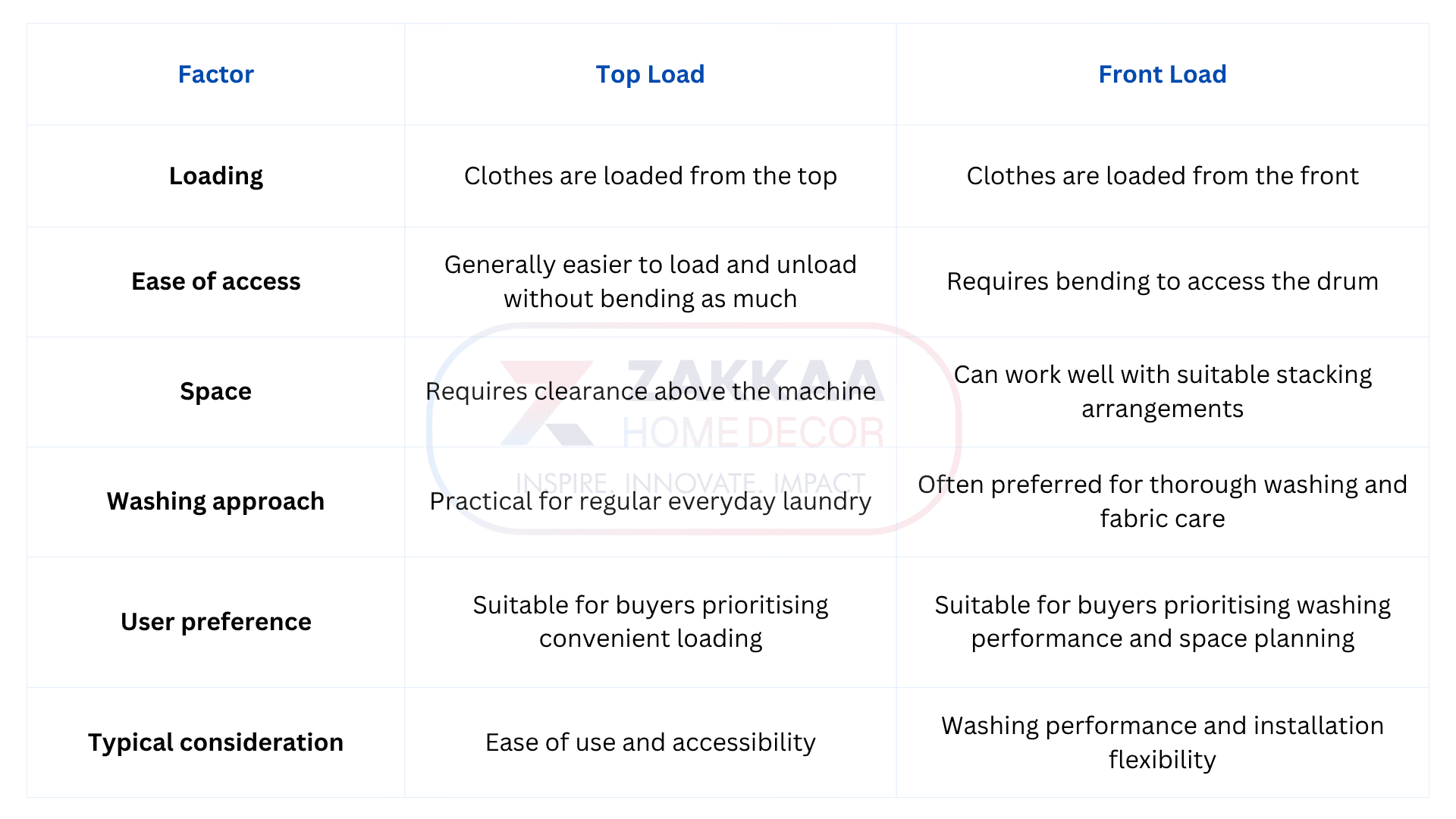
Neither format is automatically the right choice for every household. Available space, loading preference, budget, washing habits, and required features should guide the decision.
3. Wash Programs
Wash programs determine how the machine handles different types of laundry. Basic cycles may be enough for everyday clothing, while additional programs can provide greater flexibility for delicate fabrics, heavily soiled garments, quick washing, or other specific requirements.
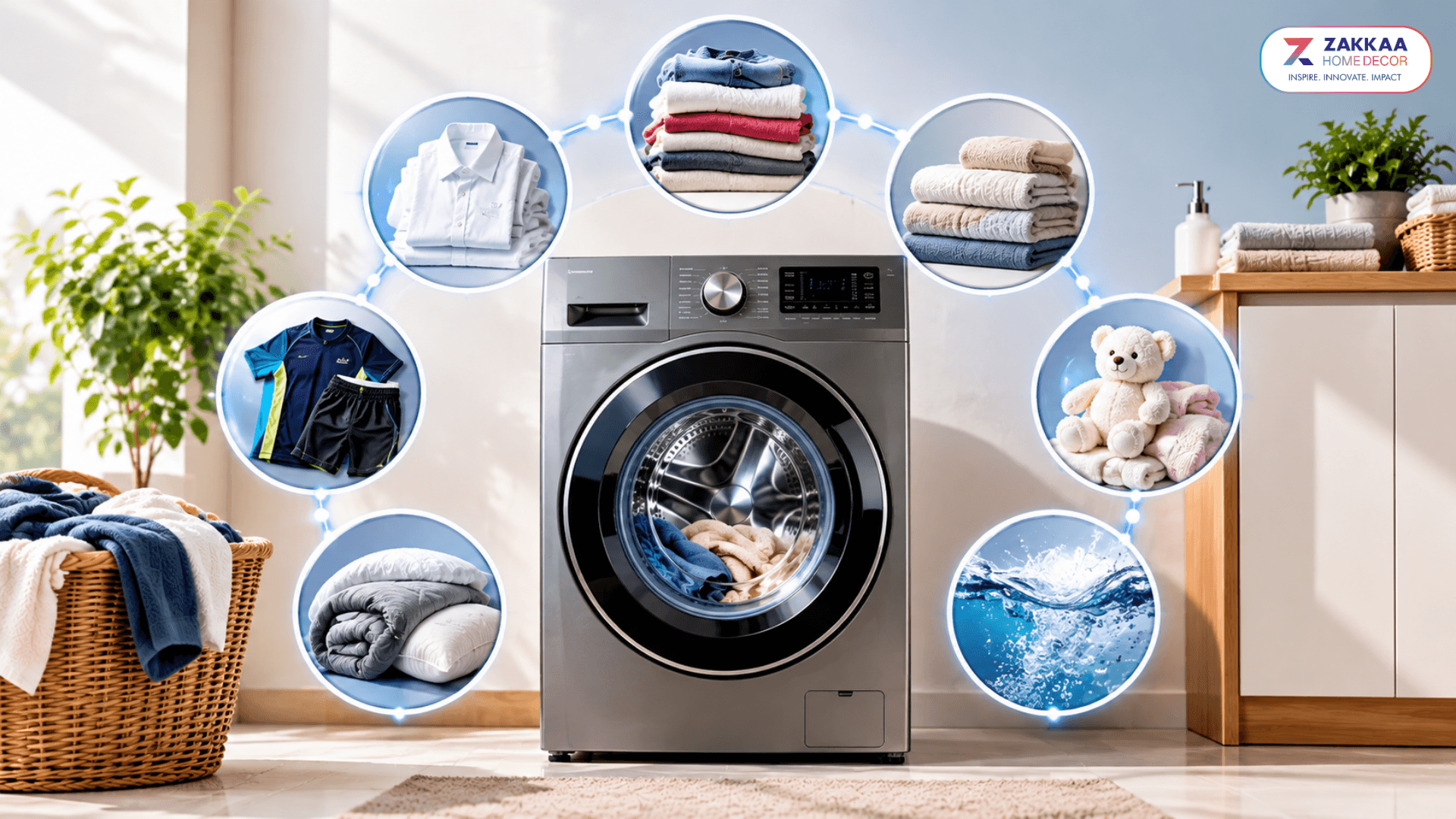
The important consideration is usefulness rather than the number of programs.
A machine with numerous settings may sound attractive, but those features have little practical value if the household mainly uses one or two standard cycles. Buyers should look for programs that correspond to their actual laundry habits.
4. Spin Performance
The spin cycle removes excess water from clothes after washing and rinsing. Good spin performance can reduce the amount of moisture left in garments, which can be particularly useful when drying space is limited, or weather conditions make drying slower.
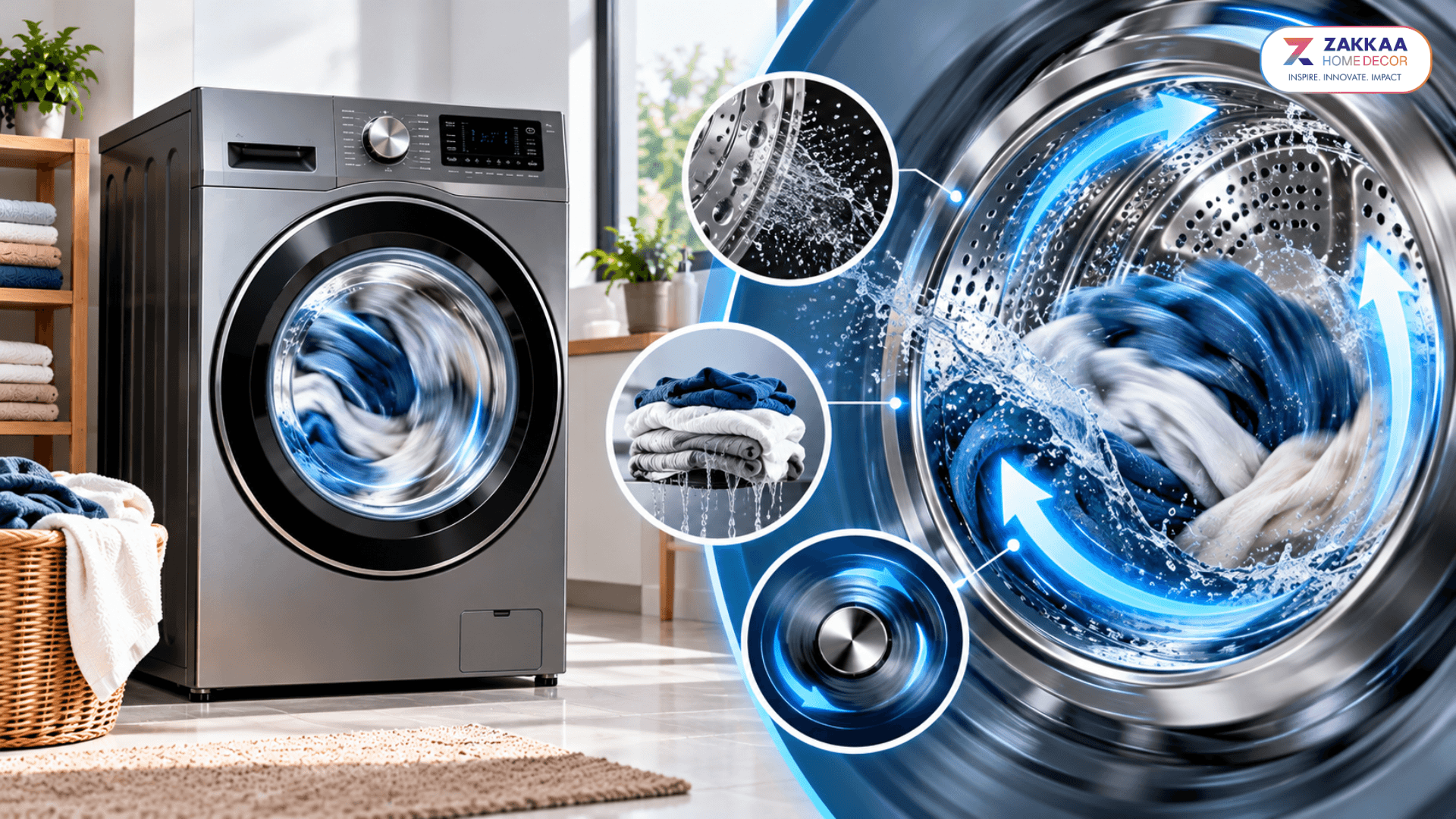
However, spin speed should not be considered in isolation. Different fabrics can have different care requirements, so buyers should also consider whether the machine provides suitable controls for their regular laundry.
For households that frequently wash towels, bedsheets, and other heavier items, spin performance deserves closer attention.
5. Water And Power Requirements
A washing machine's suitability also depends on the home's water and electricity conditions.
Before installation, buyers should check
Required water pressure and inlet connection
Water consumption per wash cycle
Power consumption or energy rating
Suitable electrical connection
Whether your home's water and power supply meet the manufacturer's requirements
6. Drum And Build Quality
The appearance of a washing machine can influence the initial purchase decision, but construction quality matters much more over its useful life.
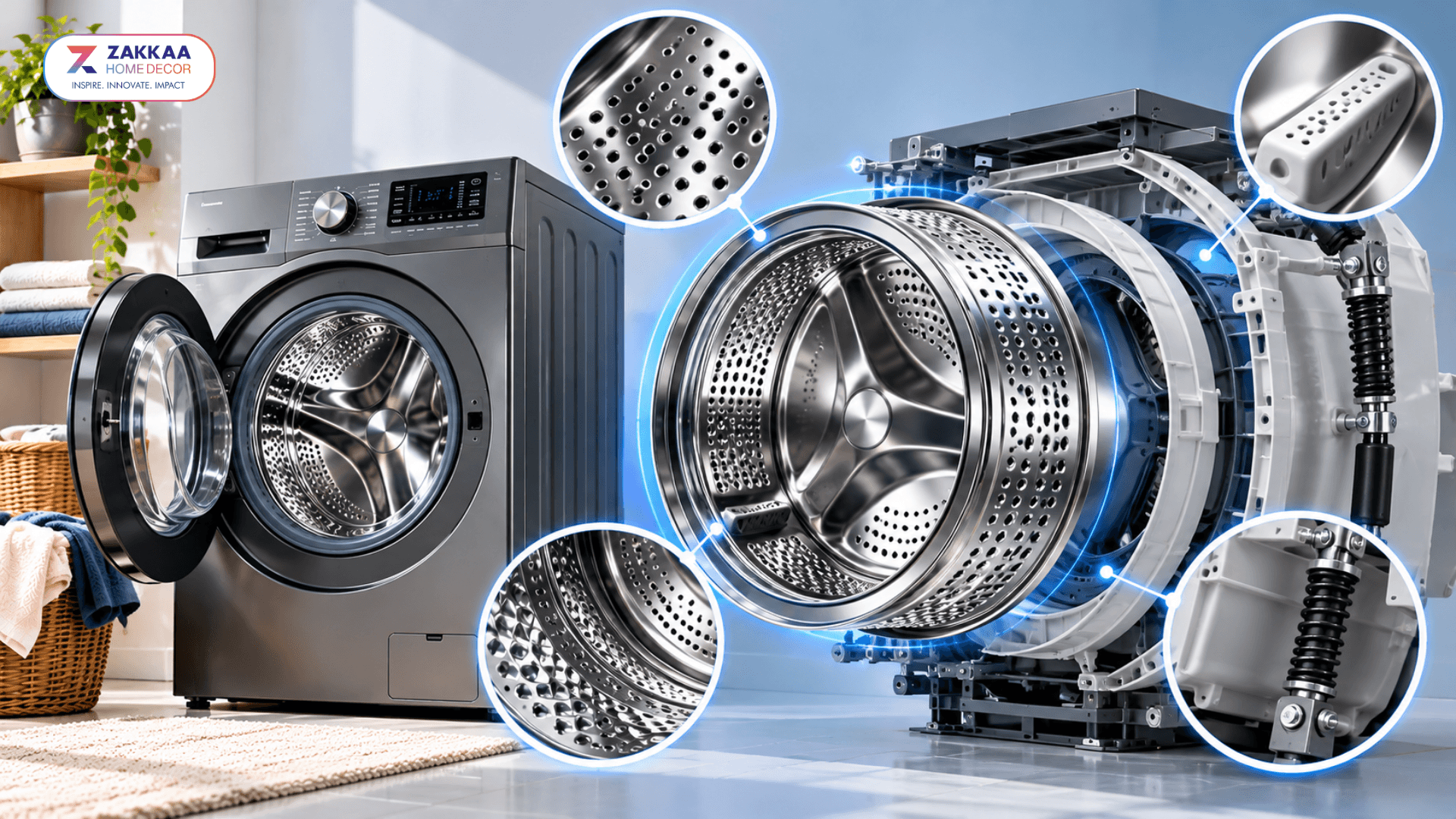
The drum, outer body, motor, control system, and other components need to withstand repeated washing cycles. Buyers should therefore look beyond the design and consider the manufacturer's approach to product quality and testing.
This becomes even more important for dealers, distributors, and bulk purchasers. They should evaluate whether the manufacturer can maintain product quality across repeated production batches rather than judging the supplier only from a single sample.
7. Noise And Vibration
Noise and vibration become especially noticeable during the spin cycle. This can matter in apartments, compact homes, or installations located close to bedrooms and living areas.
Machine stability, installation, load distribution, and construction can all influence operating behaviour. A buyer should therefore consider the overall operating experience instead of focusing only on capacity and washing programs.
8. Useful Convenience Features
Features such as child lock, delay start, quick wash, digital controls, and automatic functions can make regular operation easier.
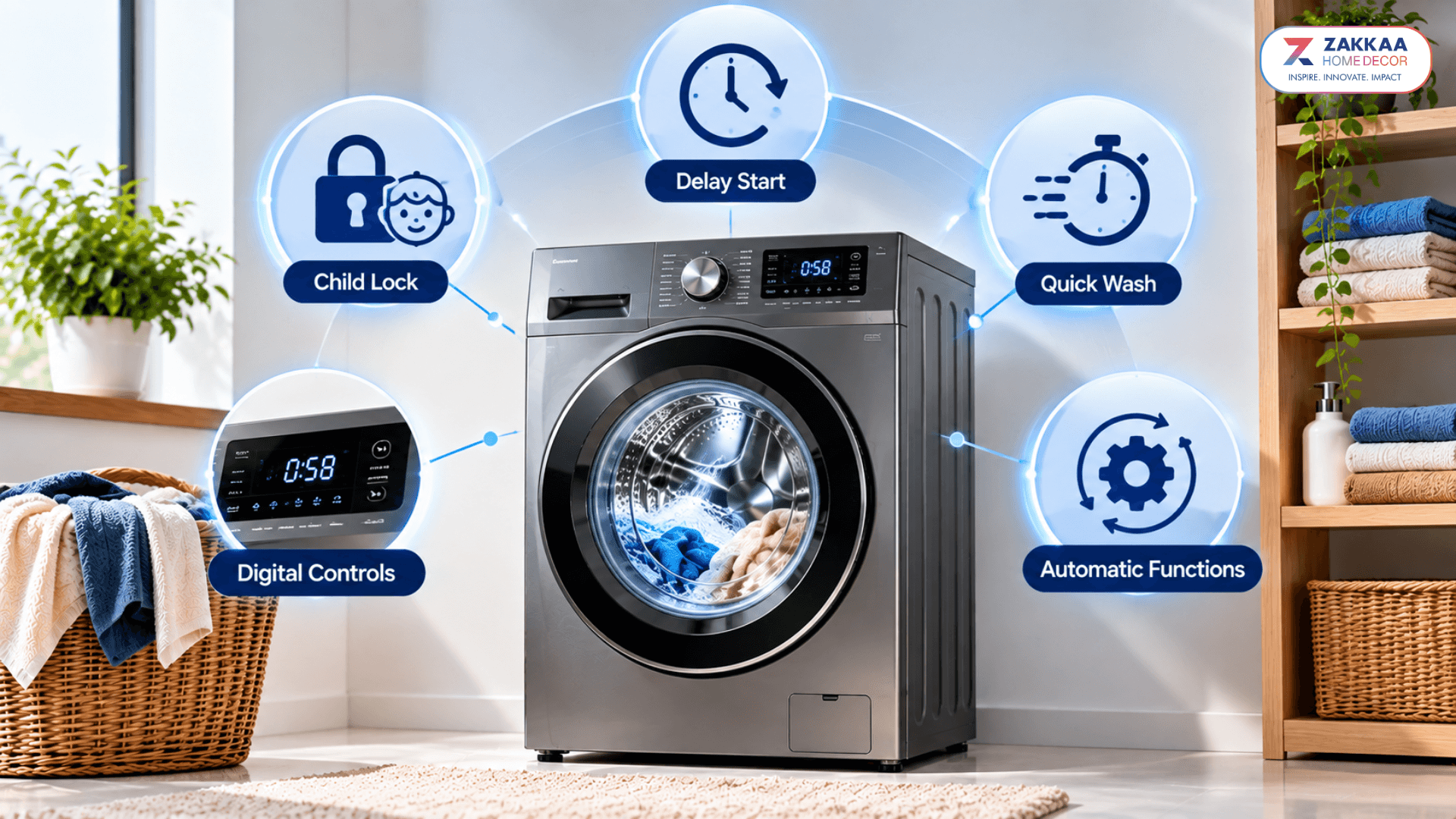
But more features do not necessarily mean a better washing machine. Buyers should focus on functions that solve genuine problems in their routine.
For instance, a quick-wash option can be useful for lightly soiled clothes when a full cycle is unnecessary, while a child-lock feature can provide an additional safety measure in households with young children.
Major Benefits of Choosing An Automatic Washing Machine
Laundry feels far less demanding when the washing machine can handle the complete wash cycle on its own. A fully automatic model reduces manual work while offering useful wash programmes, better convenience, and easier routine management for Indian families. Its key benefits explain why this type of washing machine has become a popular choice.
Less Manual Involvement
The biggest advantage is convenience. Users do not need to manually transfer clothes between washing and spinning stages, making the overall process simpler.
Better Everyday Convenience
Once the appropriate cycle is selected, the machine handles the main washing stages automatically. This can be particularly useful for working households or people who manage frequent laundry loads.
Multiple Washing Options
Different programs allow users to adjust washing according to clothing type, soil level, or available time. This provides greater flexibility than relying on one standard washing cycle.
Easier Routine Management
Automation can make laundry easier to fit into a busy schedule. Users can start a suitable cycle and attend to other household or work-related activities while the machine operates.
Situations Where A Fully Automatic Washing Machine May Not Be Ideal
Automation is useful, but it does not mean that every buyer should choose a fully automatic machine.
A semi-automatic machine may be worth considering when the initial purchase budget is the primary concern or when the user prefers greater manual control over the washing process.
Installation space can also affect the decision. Buyers should measure the available area before purchasing and account for water connections, door or lid movement, ventilation, and access for future servicing.
Water availability is another practical consideration. A buyer should understand the machine's operating requirements before installation rather than discovering connection limitations later.
What Dealers And Store Owners Should Consider Before Buying Washers
For a dealer or retailer, evaluating a washing machine is different from evaluating one for personal use. Product quality is only one part of the purchasing decision.
A supplier should also be assessed on:
Product range: Multiple capacities and configurations can help serve different customer segments.
Supply capability: The manufacturer should be able to support regular and larger orders.
Customization: OEM buyers may require specific designs, specifications, branding, or packaging.
Quality control: Consistency between production batches matters when products are sold under a retailer's or brand's name.
After-sales support: Warranty and service arrangements can influence customer satisfaction and retailer reputation.
Pricing structure: The product should leave reasonable room for the dealer's commercial margins.
For businesses planning to expand their appliance portfolio, these factors can be as important as the washing machine's consumer-facing specifications.
When A Fully Automatic Washing Machine Makes Sense
A fully automatic washing machine makes the most sense when convenience, reduced manual work, and automated washing are priorities. It can be particularly suitable for households with regular laundry requirements and limited time for managing each stage manually.
The purchase becomes more worthwhile when the selected model also offers an appropriate capacity, useful wash programs, suitable installation requirements, reliable construction, and features that match the user's routine.
For dealers and bulk buyers, the decision should extend beyond the machine itself. The manufacturer's production capability, product consistency, customization options, supply capacity, and support can directly affect the success of the business relationship.
Final Verdict
A fully automatic washing machine can be a worthwhile investment, but the right choice depends on more than automation. Capacity, load type, washing programs, spin performance, water and power requirements, build quality, convenience features, and manufacturer support should all be evaluated before making the final decision.
For businesses, choosing the right washing machine manufacturer is equally important because reliable production, product quality, customization, and supply capacity influence long-term growth. Explore washing machine manufacturing and OEM capabilities of a supplier for bulk orders, private-label requirements, and business partnerships.
Frequently Asked Questions (FAQs)
Are Fully Automatic Washing Machines Worth Buying For Regular Household Use?
Yes, they can be worthwhile for households that want less manual involvement and regularly wash clothes.
Which Is Better, A Top-Load Or Front-Load Fully Automatic Washing Machine?
Neither is universally better. The right choice depends on space, washing habits, budget, loading preference, and required features.
What Capacity Washing Machine Is Suitable For A Family?
Capacity should be selected according to household size, laundry frequency, and the amount of clothing typically washed in each cycle.
Are Fully Automatic Washing Machines Suitable For Bulk Buyers?
Yes. Dealers, retailers, and institutional buyers can source fully automatic washing machines in larger quantities, provided the manufacturer can meet their product, quality, and supply requirements.