Aug 06, 202612 min readBy Aditya Singh
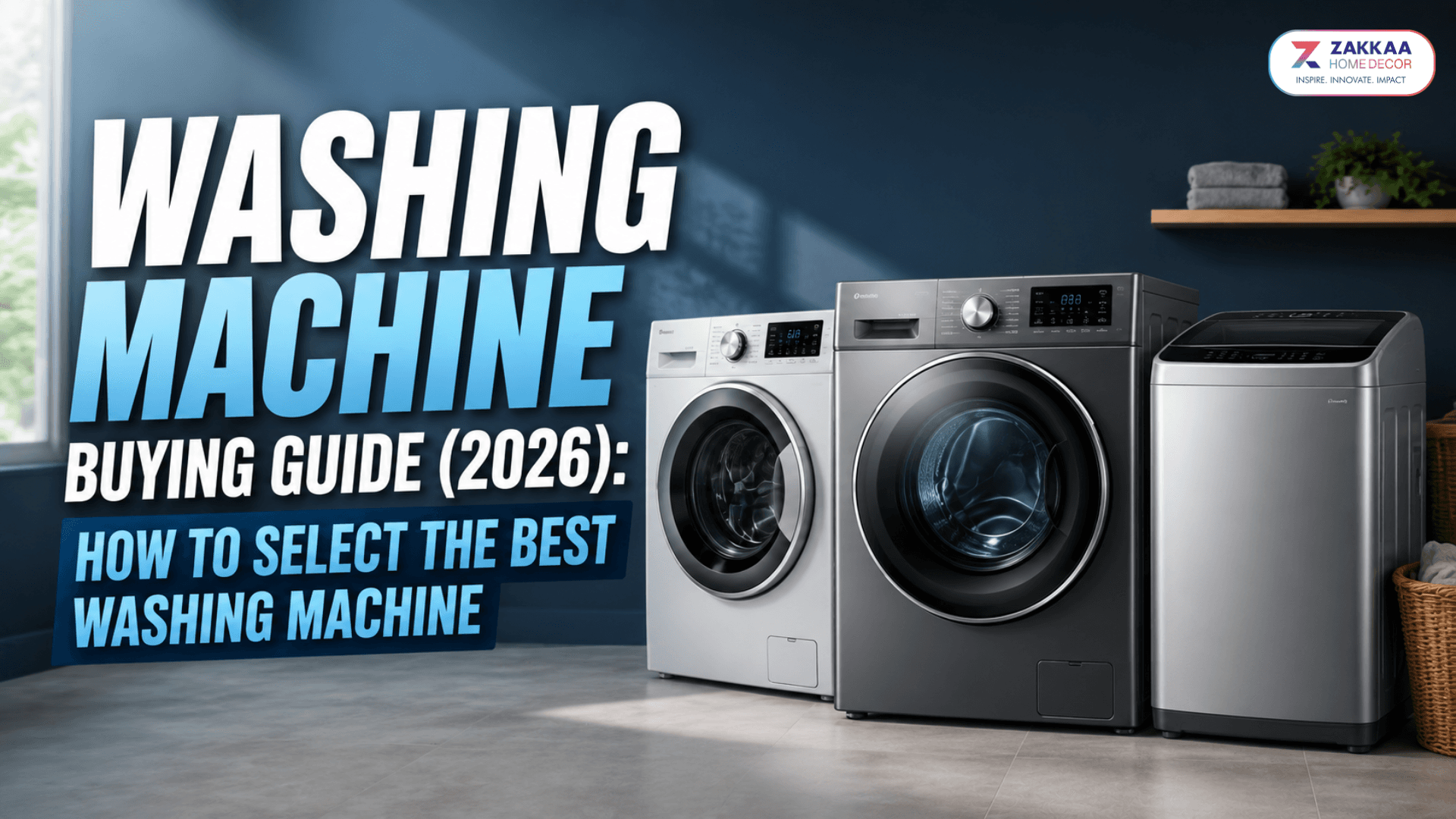
Buying a washing machine is no longer just about selecting a trusted brand or the lowest price. With numerous models, capacities, wash programs, and smart features available, choosing the right washing machine can feel overwhelming.
The best washing machine for one household may not suit another, as every family's laundry habits, budget, and space requirements differ. Whether you're purchasing your first laundry appliance or upgrading an existing one, understanding the key buying factors helps you make a smarter investment.
From choosing between fully automatic and semi-automatic washing machines to selecting the right capacity and energy-efficient features, every decision affects your overall washing experience.
This washing machine buying guide covers everything you need to know before making your purchase, helping you compare options confidently and choose a machine that fits your daily laundry needs and budget.
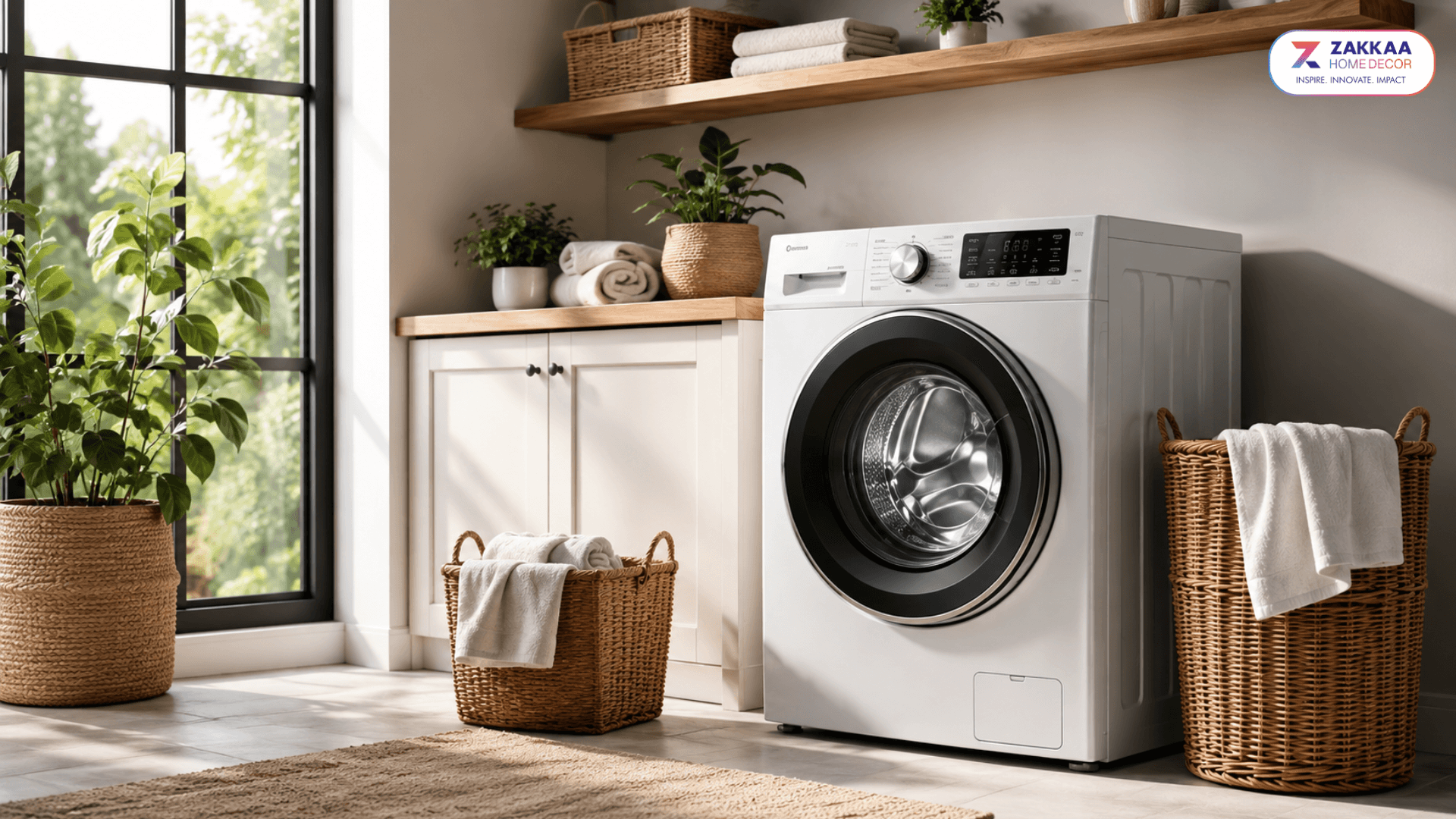
How To Choose The Best Washing Machine: 6 Simple Tips
Buying the best washing machine isn't about choosing the most expensive model or the one with the longest list of features. It's about finding a machine that fits your family's laundry habits, available space, budget, and long-term needs. Before comparing brands, follow these six essential steps to make a confident and informed buying decision.
Step 1: Choose The Right Washing Machine Type
The first step is deciding which type of washing machine best suits your lifestyle. If convenience is your priority, a fully automatic washing machine handles washing, rinsing, and spinning with minimal effort. If you're looking for a budget-friendly option or live in an area with inconsistent water supply, a semi-automatic washing machine can be a practical choice. Selecting the right type lays the foundation for your buying decision.
Step 2: Select The Right Washing Machine Capacity
Choosing the correct washing machine capacity ensures your daily laundry is handled efficiently without overloading the machine or wasting water and electricity. A smaller household may only require a 6–7 kg model, while larger families benefit from an 8–10 kg machine that can easily accommodate bedsheets, blankets, and bulk laundry loads.
Step 3: Set A Budget That Matches Your Needs
Instead of buying the cheapest or most expensive model, determine a budget based on the features you actually need. Entry-level machines are suitable for basic washing requirements, while mid-range and premium models offer advanced wash programs, better energy efficiency, quieter operation, and enhanced fabric care. Comparing value rather than just the price helps you make a smarter investment.
Step 4: Compare Essential Washing Machine Features
Modern washing machines include numerous features, but not all of them are equally important. Focus on practical features that improve everyday convenience, such as multiple wash programs, an inverter motor for quieter operation, quick wash cycles, child lock for safety, tub clean for easier maintenance, and a stainless steel drum for long-lasting durability. Choosing features based on your lifestyle ensures you pay only for what you'll actually use.
Step 5: Check Energy Efficiency And Water Consumption
A washing machine is a long-term household appliance, so operating costs matter just as much as the purchase price. An energy-efficient washing machine consumes less electricity and water, helping reduce monthly utility bills while supporting sustainable living. Models with higher energy ratings may cost slightly more initially but often deliver greater savings over their lifespan.
Step 6: Consider Installation, Space, & After-Sales Support
Before making your final decision, measure the available installation space and ensure the machine fits comfortably with adequate ventilation and access to water and power connections. It's equally important to check the manufacturer's warranty, service network, and availability of spare parts. Reliable after-sales support ensures a hassle-free ownership experience and protects your investment for years to come.
Different Types Of Washing Machines You Can Buy
One of the most important decisions you'll make when buying a washing machine is selecting the right type. Each model is designed to meet different household needs, budgets, and laundry habits. Let’s know about different kinds of washing machines.
1. Fully Automatic Washing Machine
A fully automatic washing machine completes the entire washing cycle, including washing, rinsing, and spinning, with minimal manual effort. Simply load your clothes, add detergent, choose a wash program, and let the machine handle the rest. Available in both top-load and front-load variants, these machines are ideal for households seeking convenience and consistent washing performance.
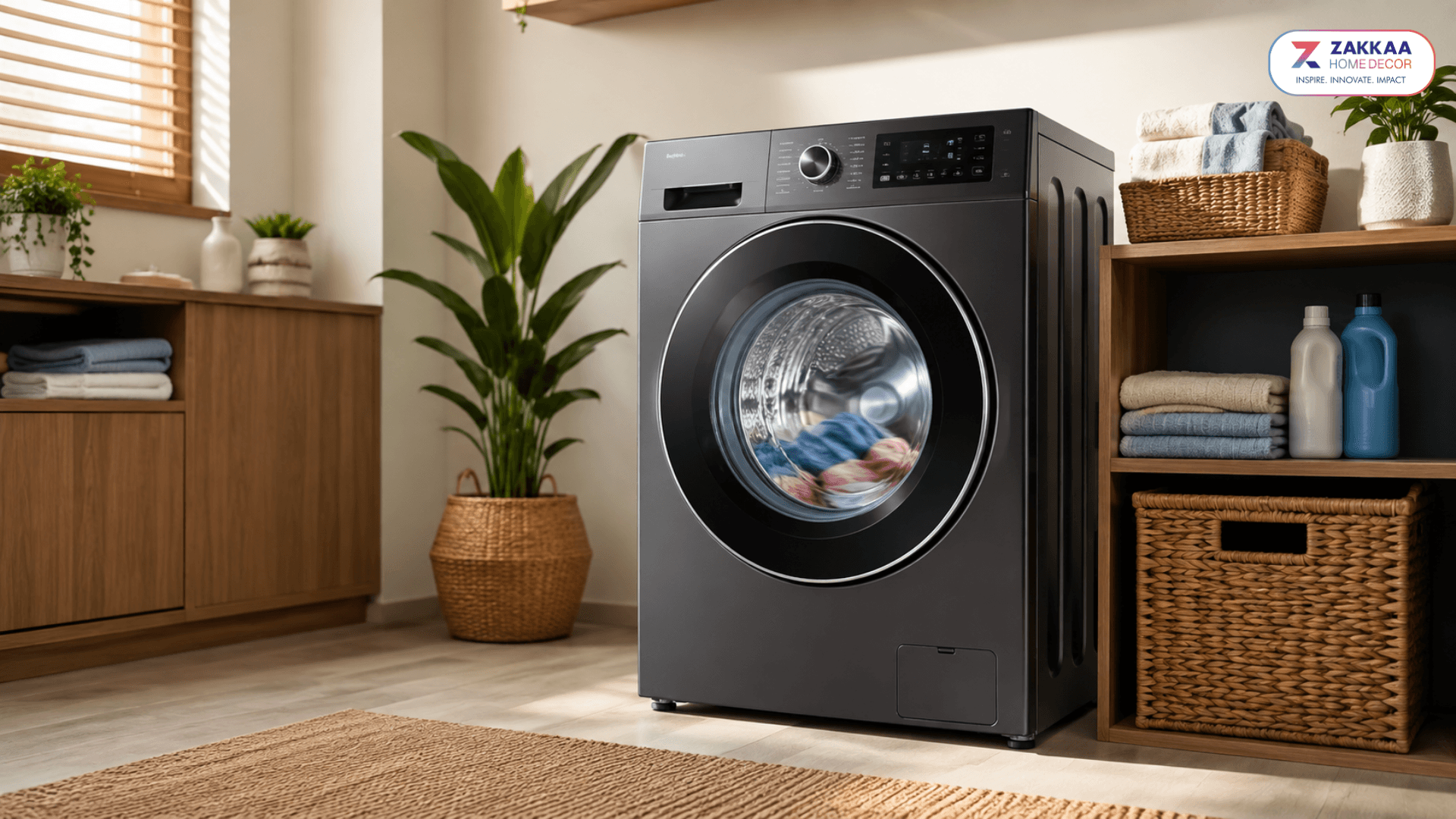
Best For: Working professionals, busy families, and frequent laundry users.
Advantages of Fully Automatic Washing Machine
Fully automatic operation with minimal manual effort.
Multiple wash programs for different fabric types.
Better water and energy efficiency than many conventional models.
Superior fabric care and cleaning performance.
Saves time and simplifies daily laundry.
Limitations of Fully Automatic Washing Machine
Higher initial investment than semi-automatic models.
Requires a continuous water supply for uninterrupted operation.
2. Semi-Automatic Washing Machine
A semi-automatic washing machine features separate wash and spin tubs, requiring you to transfer clothes manually after the wash cycle. While it involves more effort, it offers greater control over the washing process and is often more affordable, making it a popular choice for budget-conscious buyers.
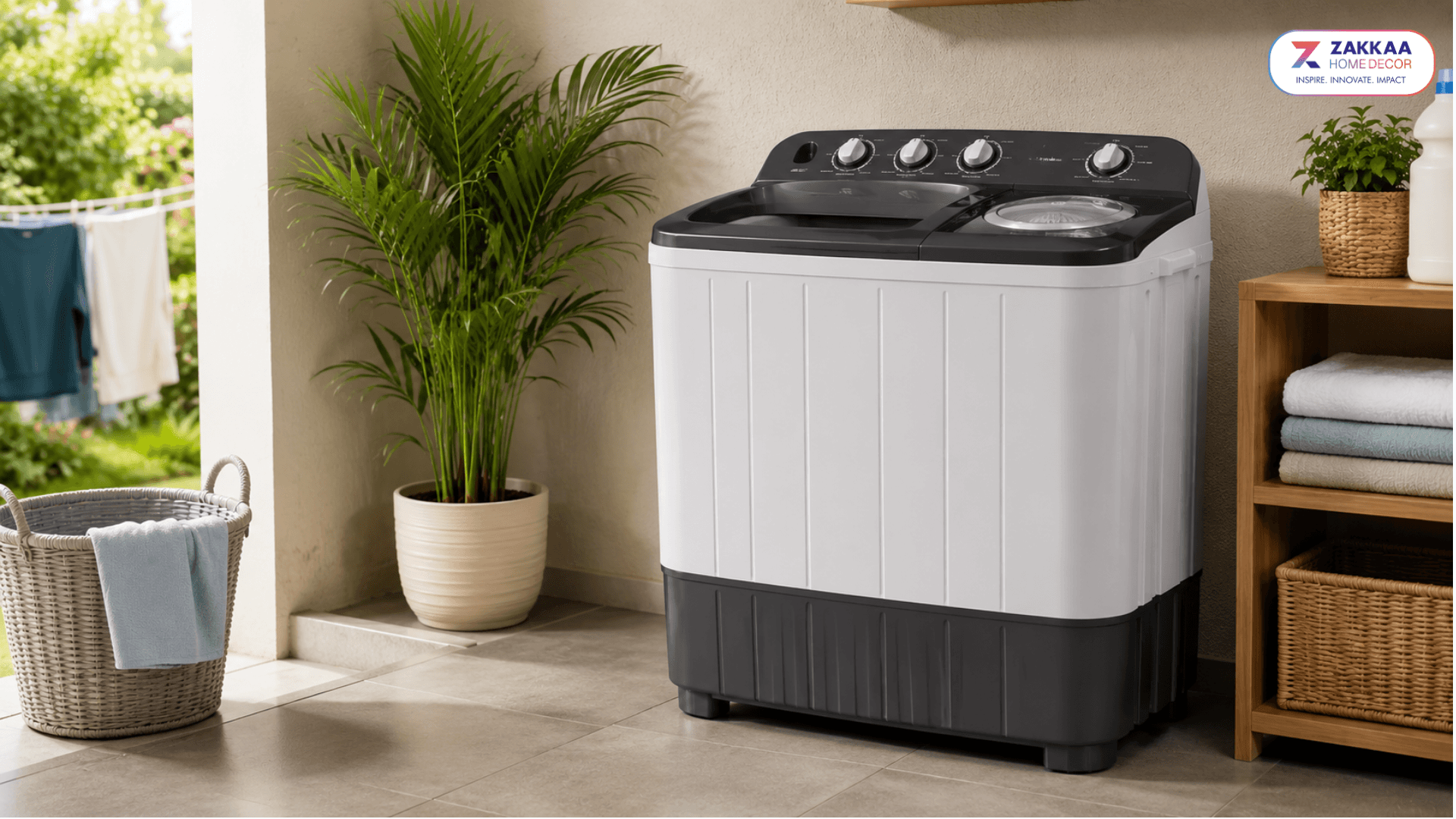
Best For: Small families, first-time buyers, and areas with irregular water supply.
Advantages of Semi-Automatic Washing Machine
More affordable than fully automatic models.
Lower water consumption as you can control water usage.
Faster wash cycles for smaller laundry loads.
Easy to maintain and repair.
Suitable for locations with inconsistent water availability.
Limitations of Semi-Automatic Washing Machine
Requires manual transfer of clothes between tubs.
Offers fewer advanced wash programs and smart features.
Less convenient for daily or frequent laundry.
3. Top Load Washing Machine
A top-loading washing machine lets you load clothes from the top, making it comfortable to use without bending. Most top-load models are fully automatic and known for their ease of use, shorter wash cycles, and competitive pricing.
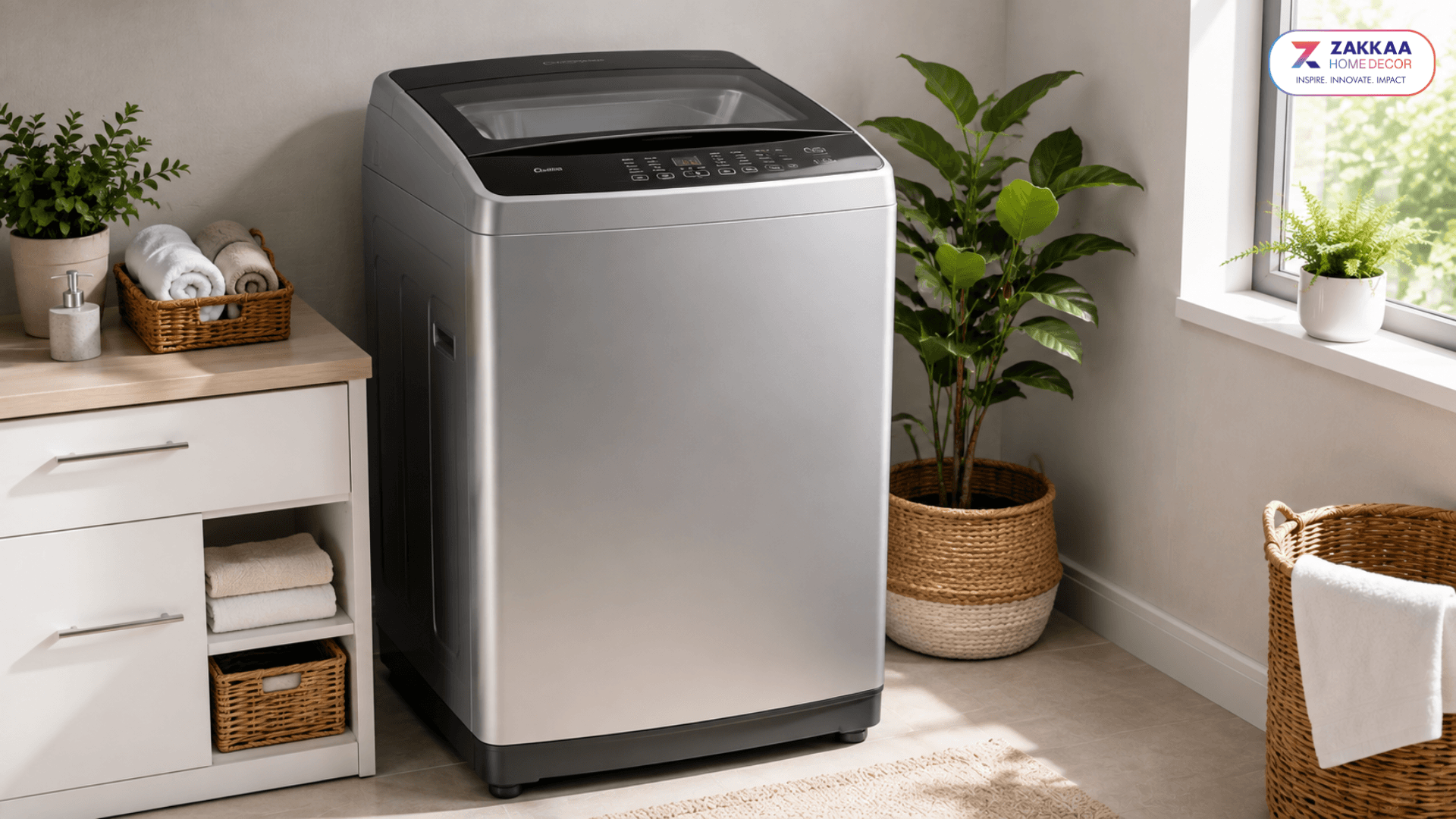
Best For: Families looking for convenience, affordability, and everyday performance.
Advantages of Top Load Washing Machine
Easy loading and unloading of clothes.
Faster wash cycles than many front load models.
Generally more affordable.
Ideal for daily household laundry.
Limitations of Top Load Washing Machine
Consumes slightly more water than front load machines.
Fabric care may not be as gentle as front load models.
4. Front Load Washing Machine
A front load washing machine loads clothes through a front-facing door and uses a tumbling wash action for deep cleaning. These machines are known for their excellent stain removal, superior fabric care, and efficient use of water and electricity.
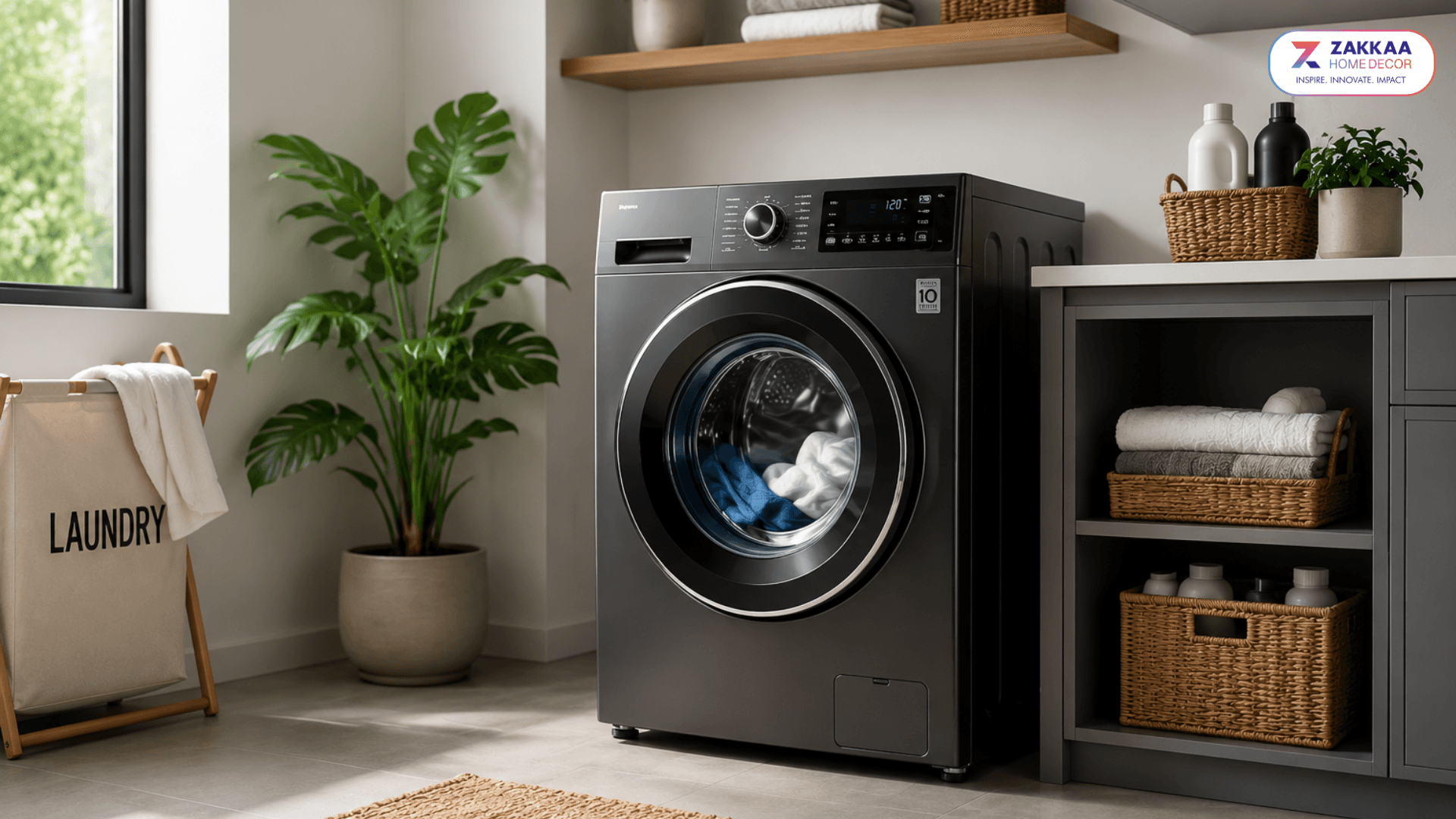
Best For: Large families, premium buyers, and households looking for maximum cleaning efficiency.
Advantages of Front Load Washing Machine
Excellent washing performance and stain removal.
Uses less water and electricity.
Gentle on delicate fabrics.
Quieter operation with reduced vibration.
Higher spin speeds reduce drying time.
Limitations of Front Load Washing Machine
Higher purchase price.
Wash cycles are generally longer than those of top-load models.
Requires bending while loading and unloading clothes.
Top Load Vs Front Load Washing Machine: Which Is Better?
The main difference between a top-load and a front-load washing machine lies in their washing mechanism, efficiency, and convenience. A top load washing machine is easier to use, offers shorter wash cycles, and is generally more affordable, making it ideal for everyday family use.
In contrast, a front load washing machine delivers superior cleaning performance, consumes less water and electricity, and provides better fabric care through its gentle tumbling action.
While front load models typically cost more and have longer wash cycles, they offer greater long-term savings and are better suited for households seeking premium performance. The right choice ultimately depends on your budget, laundry volume, and preferred level of convenience.
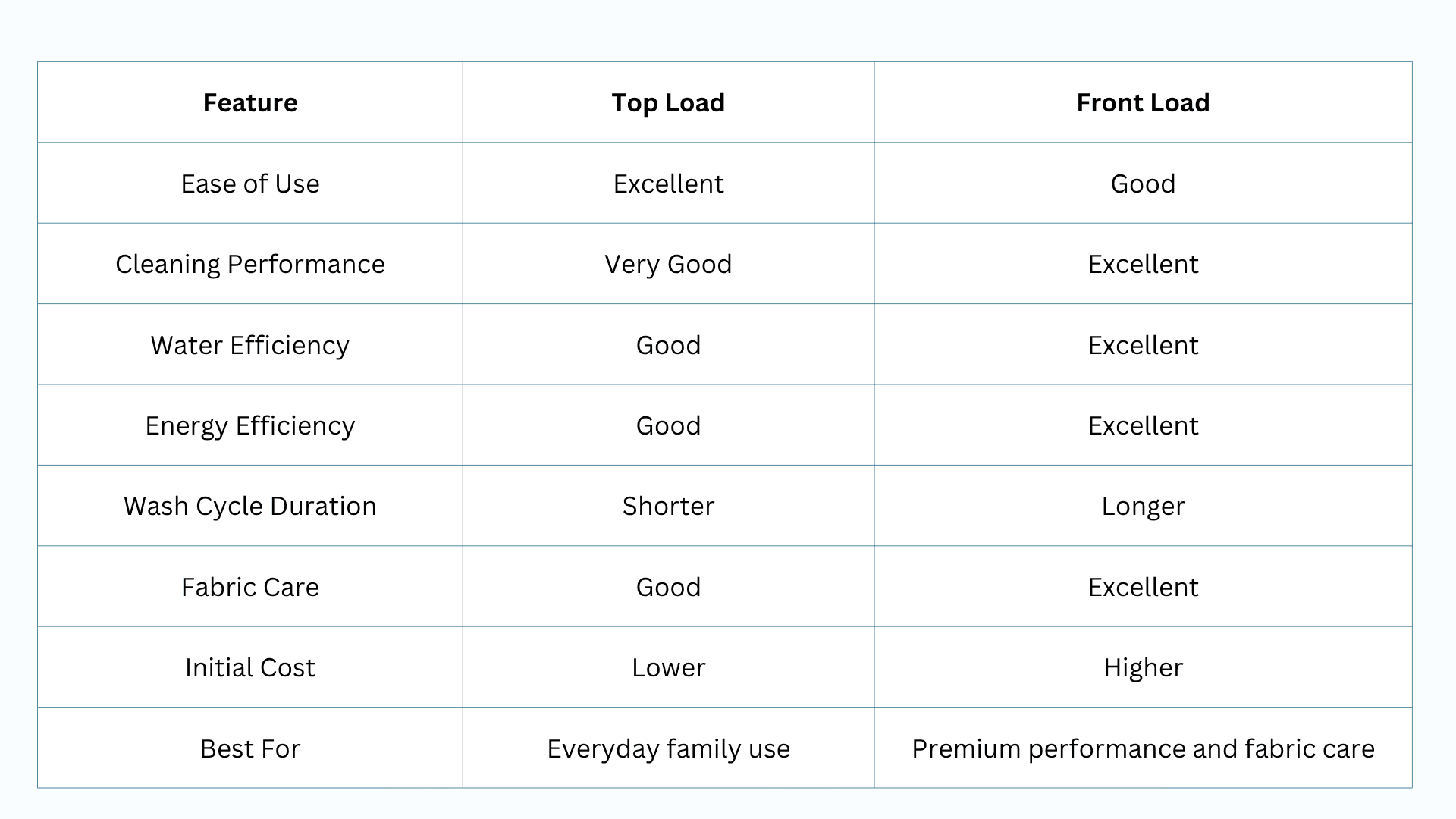
Quick Tip: If you're looking for a balance of affordability, convenience, and reliable daily performance, a top load fully automatic washing machine is an excellent choice. If superior cleaning, energy efficiency, and gentle fabric care are your priorities, investing in a front load washing machine can deliver greater long-term value.
How To Choose The Right Washing Machine Capacity?
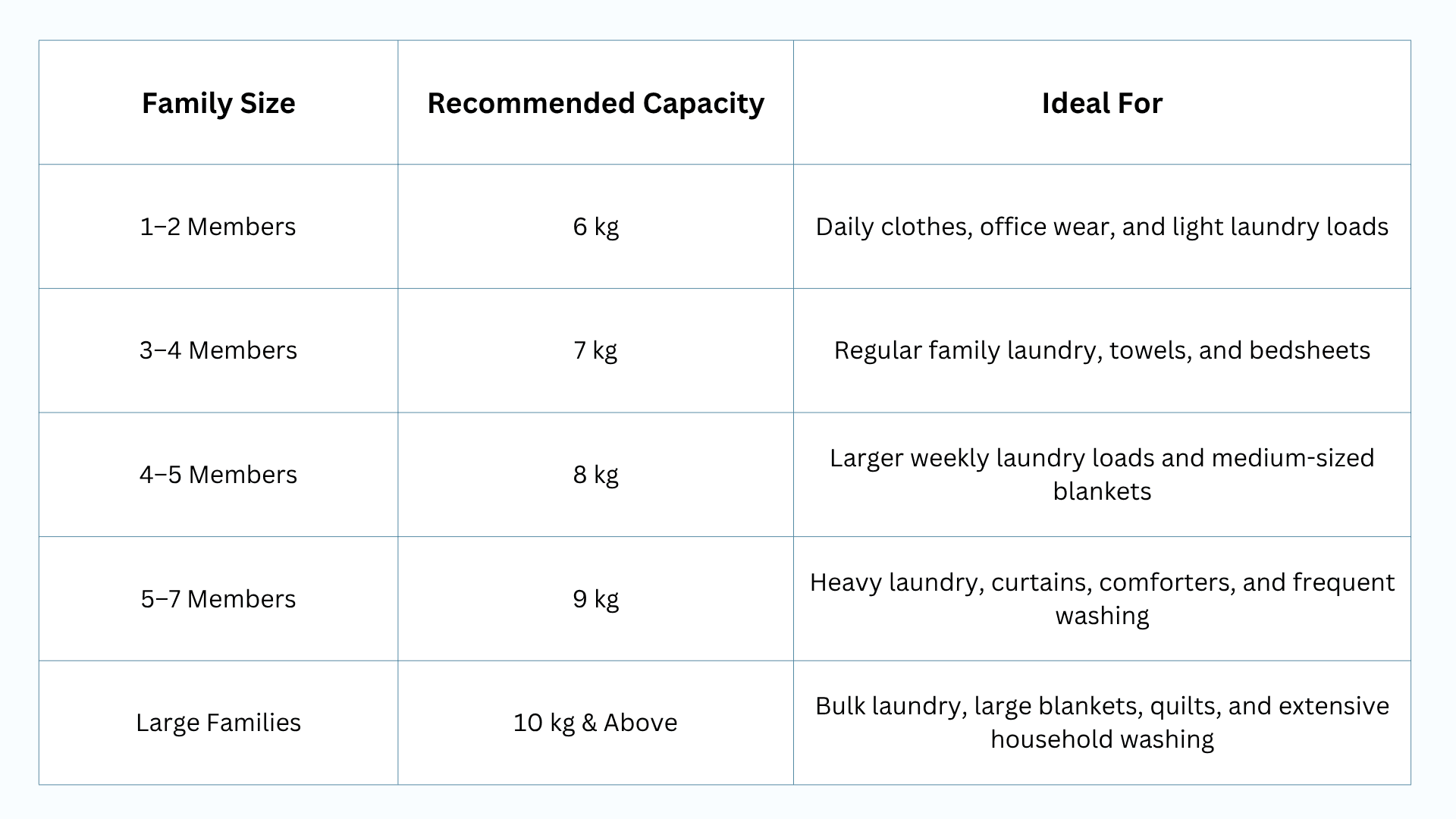
Selecting the right washing machine capacity is just as important as choosing the machine type. A model that's too small may require multiple wash cycles, increasing water and electricity consumption, while an oversized machine can waste resources when washing smaller loads.
📌 Quick Buying Recommendation
1–2 Members: 6 kg washing machine
3–4 Members: 7–8 kg washing machine
Large Families: 9 kg or above washing machine
Budget Buyers: Semi-automatic washing machine
Convenience Seekers: Fully automatic washing machine
Premium Users: Front load washing machine with advanced features
Tips For Choosing The Precise Washing Machine Based On Its Capacity
Consider your laundry frequency. If you wash clothes every day, a smaller capacity may be sufficient. Weekly laundry loads often require a larger machine.
Think beyond everyday clothing. Bedsheets, blankets, curtains, and winter wear occupy more drum space than regular garments.
Plan for future needs. If your family is expected to grow, choosing a slightly higher-capacity washing machine can be a practical long-term investment.
Avoid overloading the drum. Overloading reduces washing efficiency, increases wear on the machine, and may shorten its lifespan.
Don't choose a larger machine unnecessarily. Bigger capacities consume more water and electricity when used for small loads, making them less economical for smaller households.
Essential Washing Machine Features To Consider
Modern washing machines come with a wide range of features, but not every feature adds value to your daily laundry routine. Here are some of the most important washing machine features to consider before making your purchase.
Inverter Motor: An inverter motor adjusts its speed according to the laundry load, helping reduce electricity consumption while delivering quieter operation. It also minimizes wear and tear on internal components, improving the machine's durability.
Multiple Wash Programs: Different fabrics require different washing methods. Machines with multiple wash programs allow you to safely clean cotton, synthetics, wool, delicate garments, sportswear, and heavily soiled clothes with optimized settings.
Quick Wash: Quick Wash is ideal for lightly soiled clothes that need refreshing in less time. It helps save both water and electricity while providing convenient everyday washing.
Child Lock: A child lock prevents accidental changes to the wash cycle by locking the control panel during operation. This feature is especially useful for families with young children.
Stainless Steel Drum: A stainless steel drum offers better durability, resists rust, and protects clothes from damage during washing. It also withstands high spin speeds more effectively than plastic drums.
Tub Clean Function: The tub clean feature removes detergent residue, lint, and bacteria from the drum, helping maintain hygiene and improve washing performance over time.
Delay Start: Delay Start allows you to schedule the wash cycle according to your convenience. You can set the machine to begin washing later, ensuring your laundry is ready when you need it.
Auto Restart: In areas with frequent power interruptions, Auto Restart resumes the wash cycle from where it stopped once electricity is restored, eliminating the need to restart the program manually.
Digital Display: A digital display provides clear information about the selected wash program, remaining cycle time, and machine status, making the appliance easier to operate.
Energy-Efficient Operation: An energy-efficient washing machine helps reduce electricity and water consumption without compromising cleaning performance. Over time, this results in lower utility bills and more sustainable household operations.
Washing Machine Price Guide: How Much Should You Spend?
The washing machine price in India depends on factors such as capacity, washing technology, motor type, energy efficiency, and additional features.
Average Washing Machine Price Range In India
Semi Automatic Washing Machine: ₹8,000 – ₹18,000
Fully Automatic Top Load Washing Machine: ₹15,000 – ₹35,000
Fully Automatic Front Load Washing Machine: ₹25,000 – ₹60,000+
Washer Dryer / Premium Smart Washing Machine: ₹45,000 – ₹90,000+
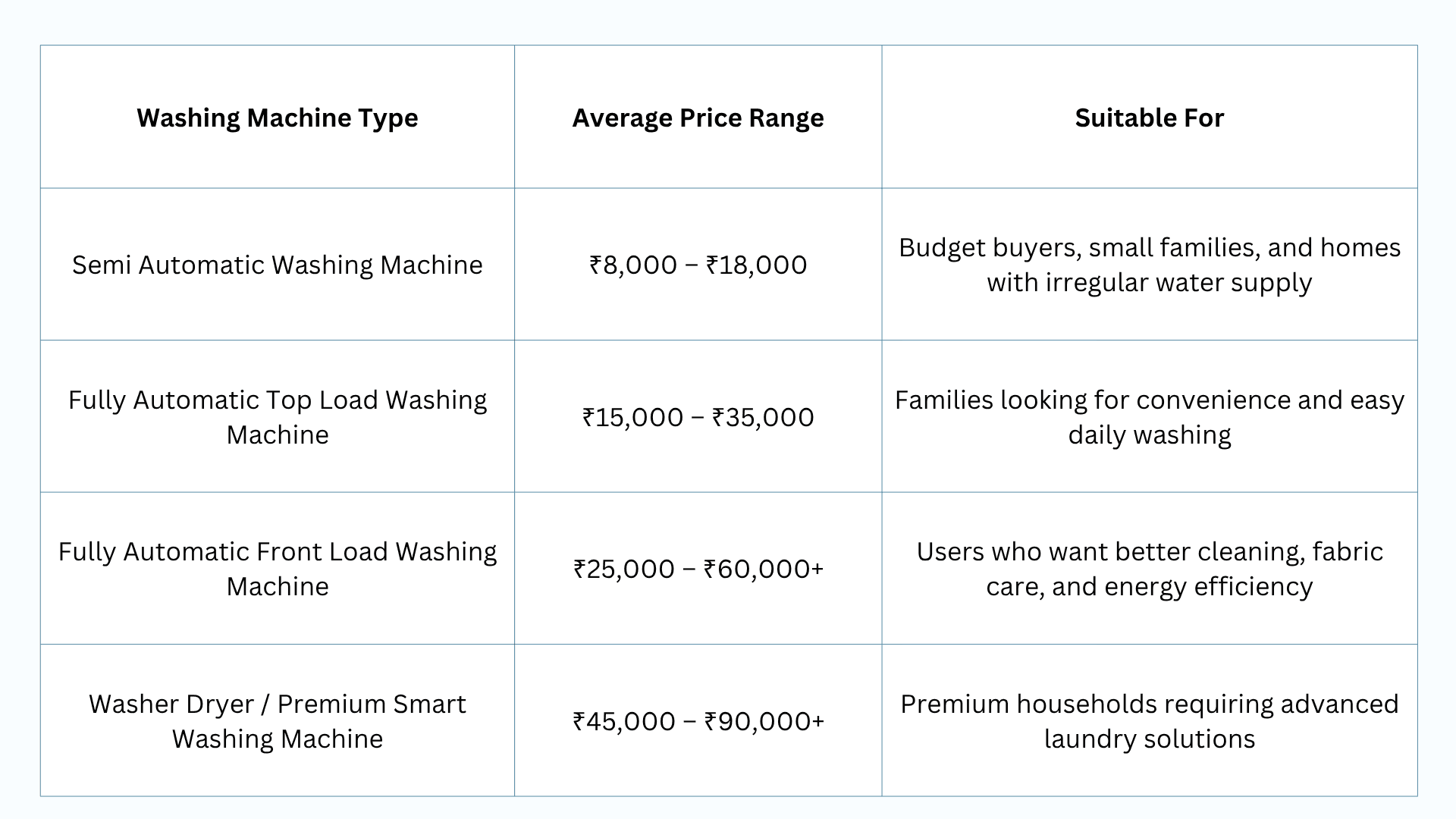
For most Indian households, a washing machine in the ₹8,000–₹35,000 range offers the best balance of features, performance, and affordability. However, choosing the right capacity and features based on your family's laundry requirements is more important than simply selecting a higher-priced model.
👉 Remember that a washing machine is a long-term investment. Spending slightly more on a model with better energy efficiency, durability, and practical features can provide greater value throughout its lifespan.
Final Thoughts
A washing machine is a long-term home appliance investment, so the right choice depends on your daily usage, available space, and washing requirements. Consider factors like machine type, capacity, wash programs, energy consumption, and maintenance needs before making a decision.
Whether you need a budget-friendly semi-automatic model or a feature-rich fully automatic washing machine, selecting the right option will help you achieve efficient cleaning, better convenience, and a hassle-free laundry experience for years. To find a model designed for your home's everyday laundry needs, explore Zakkaa washing machines and get the catalog now.
Frequently Asked Questions (FAQs)
Which Type Of Washing Machine Is Best For Indian Homes?
The best washing machine depends on your family size, budget, and laundry needs. Fully automatic models are ideal for convenience, while semi-automatic machines suit budget-conscious buyers.
How Do I Choose The Right Washing Machine Capacity?
Choose the capacity based on your family size and laundry frequency. A 6–7 kg washing machine works well for small families, while larger households may need 8 kg or above.
Is A Fully Automatic Washing Machine Better Than A Semi-Automatic Model?
A fully automatic washing machine offers more convenience by completing the entire wash cycle automatically. Semi-automatic models are more affordable and provide greater control over water usage.
How Much Should I Spend On A Good Washing Machine?
A good washing machine can cost anywhere between ₹8,000 and ₹35,000 depending on capacity, features, and technology. Your budget should match your usage requirements and preferred features.
Do Inverter Washing Machines Save Electricity?
Yes, inverter washing machines adjust motor speed according to the load, helping reduce electricity consumption while providing quieter operation and better durability.