Nov 05, 202612 min readBy Aditya Singh
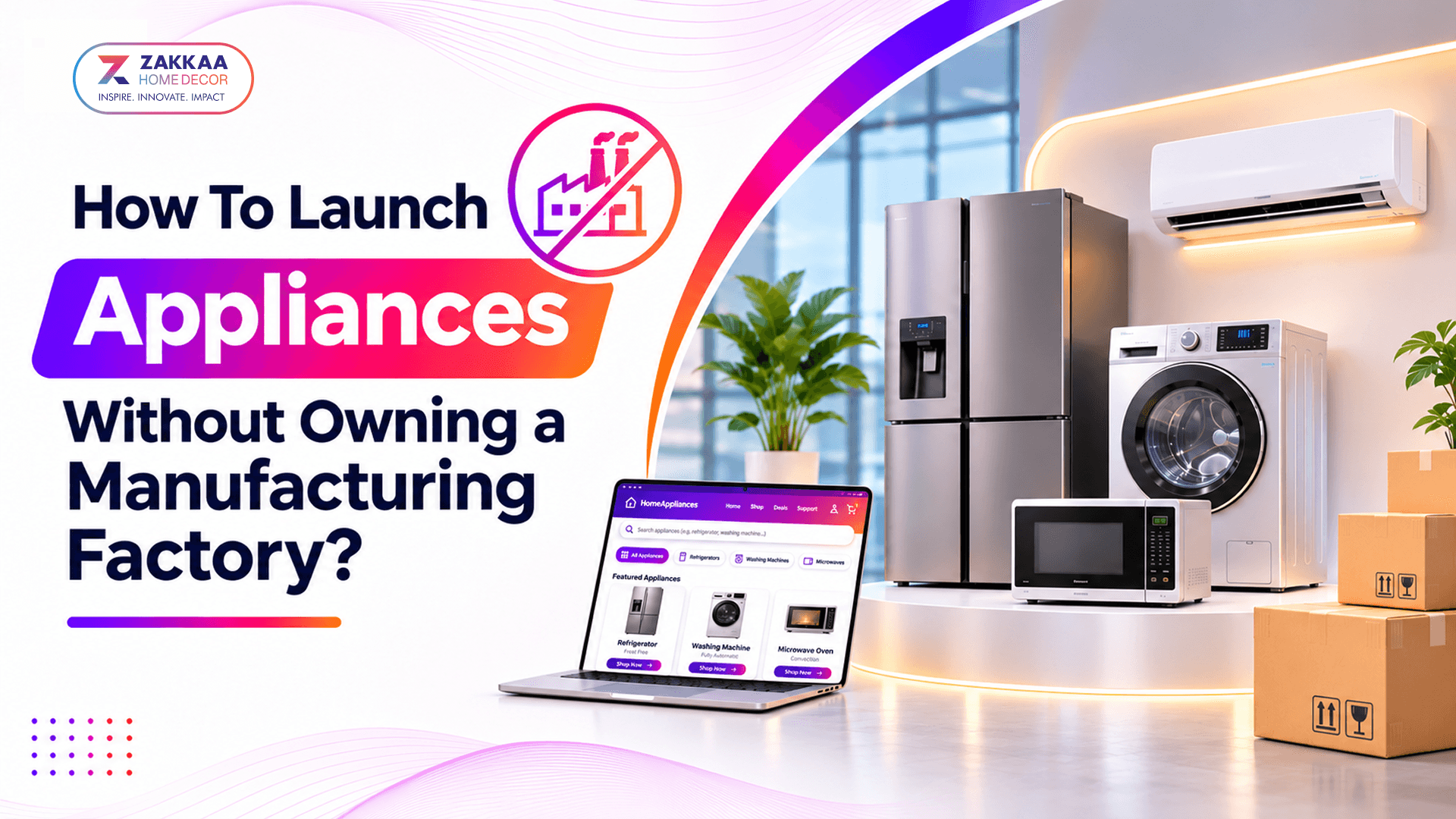
Starting an appliance business often brings one big question: Do you need your own factory to manufacture and sell products? The answer is no!
You can work with an existing appliance manufacturer to develop or source products under your brand without setting up production infrastructure from scratch.
Depending on your business goals, you can choose OEM, ODM, private label, or contract manufacturing. These arrangements can help you access manufacturing facilities, technical expertise, and established production processes while retaining control over important aspects of your brand.
But choosing the right model and manufacturing partner requires careful planning. Let's explore how you can launch an appliance brand without owning a factory and what to consider before getting started.
Can You Launch An Appliance Brand Without Owning A Factory?
Yes. You can launch an appliance brand by working with an OEM supplier or contract manufacturer that already has the production infrastructure, equipment, and manufacturing processes.
Instead of setting up your own factory, you focus on building the business around the products. Depending on the agreement, the manufacturing partner may handle production, assembly, testing, and packaging, while you manage branding, sales, distribution, and customer relationships.
This model can suit:
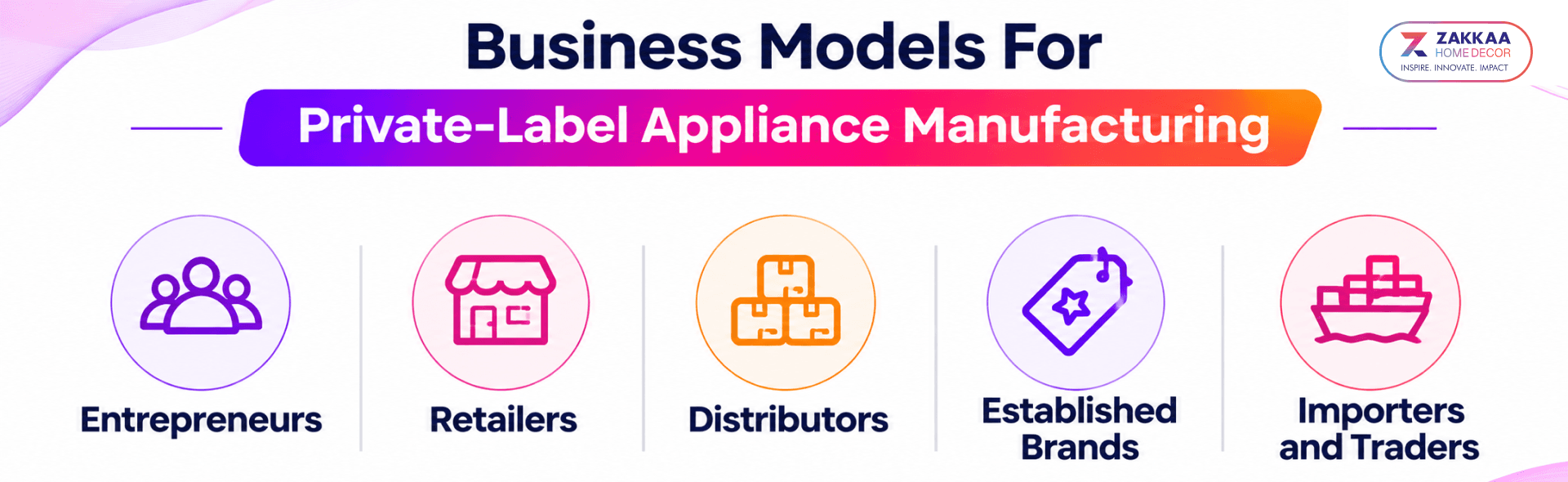
Entrepreneurs: People looking to enter the appliance market without setting up production facilities.
Retailers: Businesses planning to introduce their own branded appliances alongside existing products.
Distributors: Companies looking to expand their product range under a private label.
Established Brands: Businesses planning to add new appliance categories without building another factory.
Importers & Traders: Businesses exploring domestic manufacturing partnerships for their product requirements.
The exact responsibilities depend on the OEM manufacturer's capabilities and the commercial agreement. Therefore, define who manages product design, sourcing, testing, packaging, and after-sales support before starting production.
What Is Private Label Appliance Manufacturing?
Private label appliance manufacturing is a business arrangement in which a manufacturer produces appliances that are sold under another company's brand name.
You do not need to own the production facility. Instead, you work with an appliance manufacturer that produces products according to the agreed specifications and branding requirements.
For example, a business may want to launch its own air cooler brand. It can approach an appliance OEM, select a suitable product configuration, finalize the branding and packaging, and arrange production through the manufacturing partner.
There are three common manufacturing arrangements to understand:
1. OEM Manufacturing
Original equipment manufacturer (OEM) arrangements involve producing products according to a buyer's specifications or agreed product requirements. The level of customization depends on the manufacturer's capabilities and the agreement.
OEM manufacturing provider option can suit businesses that have a defined product concept, technical requirements, or branding strategy.
2. Contract Manufacturing
Under contract manufacturing, a business hires an external manufacturer to produce products under agreed commercial and technical terms.
The manufacturer may manage selected production activities, such as component sourcing, assembly, and testing. The buyer focuses on its brand, sales, and distribution operations.
3. Third-Party Manufacturing
Third-party manufacturing allows a company to outsource production to another business instead of manufacturing products internally.
The arrangement can involve ready product designs, customized specifications, or a combination of both. The scope depends on the manufacturing partner.
These terms can overlap in the appliance industry. What matters most is understanding the actual production responsibilities, customization options, ownership rights, and quality requirements in your agreement.
How To Launch Appliances Without Owning A Manufacturing Factory: 8 Practical Steps
Starting an appliance brand through an external manufacturer requires more than selecting a product and adding your logo. You need a clear business plan, product specifications, supplier evaluation, and a defined route to market.
Step 1: Identify Your Target Appliance Category
Start by deciding which appliance category you want to enter. Avoid launching several unrelated products at once, especially if this is your first experience in consumer durable manufacturing.
Possible categories include:
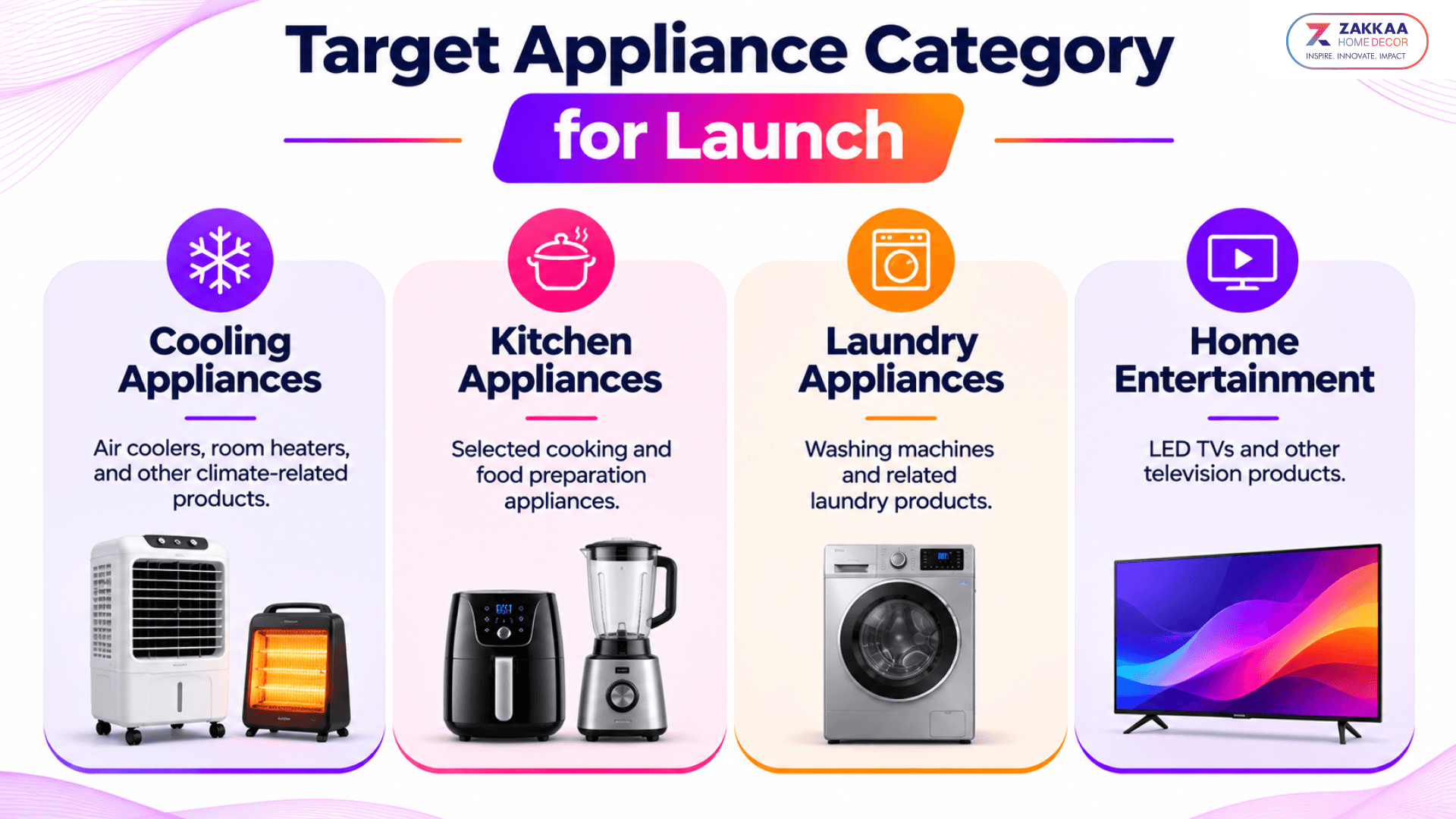
Cooling Appliances: Air coolers, room heaters, and other climate-related products.
Kitchen Appliances: Selected cooking and food preparation appliances.
Laundry Appliances: Washing machines and related laundry products.
Home Entertainment: LED TVs and other television products.
Household Appliances: Products designed for everyday domestic use.
Your choice should reflect customer demand, competition, expected selling prices, distribution opportunities, and the manufacturer's production capabilities.
Step 2: Research Your Market And Target Customers
Once you select a category, identify who will buy your products and what they expect from them.
For example, a brand targeting budget-conscious households may prioritize practical features and accessible pricing. A business selling through premium retail outlets may need a different product configuration and presentation.
Research these factors:
Popular product categories in your target market.
Common customer complaints about existing products.
Features offered by competing brands.
Expected price ranges and customer budgets.
Retailer and distributor requirements.
Seasonal demand and regional preferences.
This research helps you define a product that has a clear place in the market rather than simply copying an existing model.
Step 3: Find A Suitable Appliance OEM Or Manufacturer
The manufacturing partner can directly affect product quality, production timelines, and the reliability of your supply chain.
Look for an appliance manufacturer with relevant experience in your chosen product category. A company producing air coolers may not necessarily have the facilities or expertise required for washing machines or televisions.
Evaluate potential partners based on:
Experience with the specific appliance category.
Available production and assembly facilities.
Component sourcing arrangements.
Product testing and inspection procedures.
Customization and private label options.
Production capacity and order requirements.
Communication and commercial transparency.
Request product details, manufacturing information, and samples before making a final decision.
Step 4: Finalize Product Specifications And Customization
After selecting a potential manufacturing partner, define exactly what you want to sell. Product specifications should be clear enough for both parties to understand the expected output.
Depending on the appliance, discuss:
Product dimensions and design.
Material and component specifications.
Motor, compressor, or other key components, where applicable.
Power consumption and performance requirements.
Available colors and finishes.
Features and operating controls.
Branding placement and packaging.
Not every manufacturer offers complete customization. Some provide ready-to-brand products, while others may support modifications to selected components or product designs.
Get the final specifications approved in writing before production begins.
Step 5: Finalize Branding And Packaging
Your appliance brand needs more than a logo. Product presentation, packaging, labels, and customer information all contribute to how buyers recognize and evaluate the product.
Work with the manufacturer to confirm:
Brand name and logo placement.
Product model names and identification.
Packaging design and printing.
Product labels and technical information.
User manuals and installation instructions.
Warranty information and customer support details.
Ensure that product labeling and packaging meet the applicable legal and regulatory requirements for your target market.
Step 6: Review Samples And Quality Standards
Before approving a bulk order, inspect a representative product sample against the agreed specifications.
Check the product's appearance, components, assembly, controls, and basic operation. Testing requirements will vary by appliance category, so define suitable inspection procedures with the manufacturer.
Important checks may include:
Product dimensions and finishing.
Component fit and assembly quality.
Electrical safety requirements.
Functional performance.
Noise, vibration, or temperature performance, where relevant.
Packaging condition and product protection.
Also clarify who is responsible for testing, documentation, defect handling, and final batch approval. Do not assume that a sample inspection replaces the required production and compliance checks.
Step 7: Confirm Pricing, Minimum Order Quantity, & Production Timeline
Before placing an order, understand the complete commercial structure. The product's manufacturing price is only one part of your overall business cost.
Discuss:
Minimum Order Quantity (MOQ).
Per-unit manufacturing cost.
Customization and packaging charges.
Tooling or development charges, if applicable.
Payment schedule.
Production lead time.
Transportation and warehousing costs.
Warranty and replacement arrangements.
Ask for a written quotation with a clear breakdown. This helps you estimate your investment and calculate whether the expected selling price can support your business margins.
Step 8: Plan Distribution, Sales & Customer Support
Once production is arranged, you need a plan to bring the appliances to customers. Manufacturing the product is only one part of launching a successful appliance brand.
Consider these sales channels:
Retail Stores: Supply products to local and regional appliance retailers.
Distributors: Build partnerships to reach multiple cities and markets.
E-Commerce: Sell through your own website or suitable online marketplaces.
Institutional Buyers: Explore bulk supply opportunities where your product category is relevant.
Direct Sales: Develop customer relationships through your own sales team.
Also plan warranty handling, spare parts availability, customer complaints, and repair support. These responsibilities should be agreed upon with the manufacturing partner rather than left unclear after products reach the market.
What Does an OEM Appliance Manufacturing Partner Handle?
The scope of an OEM or contract manufacturing arrangement depends on the appliance supplier and the agreement. Some manufacturers offer a broader production service, while others handle only selected manufacturing activities.
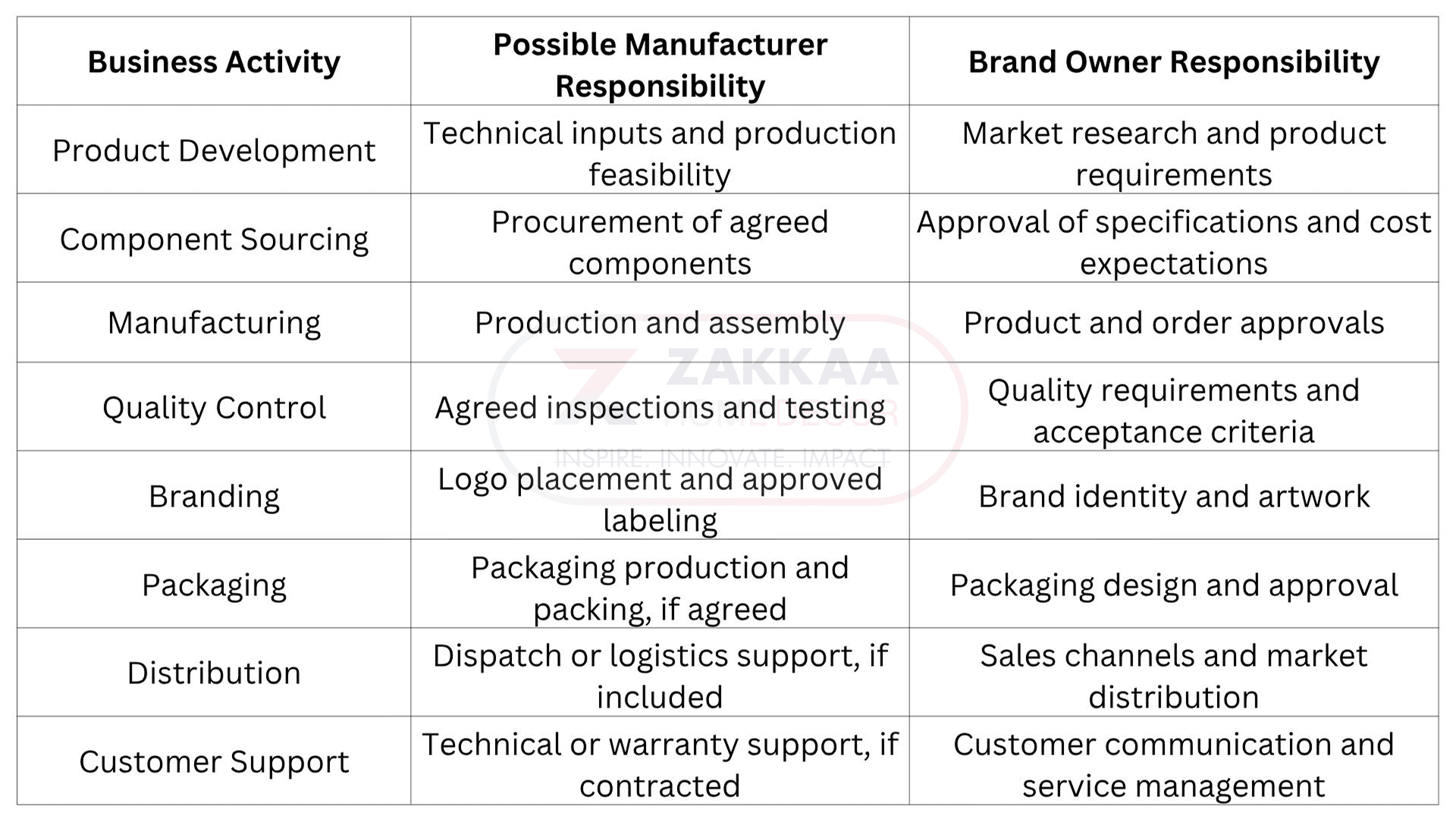
This division is not universal. Confirm every responsibility in the manufacturing agreement, including who owns product designs, tooling, test reports, and other development assets.
Costs You Can Plan For When Launching An Appliance Brand
Not owning a factory can reduce the need for major investment in production infrastructure, but it does not mean you can launch an appliance brand without capital.
Your budget will depend on the product category, order quantity, customization level, and business model.
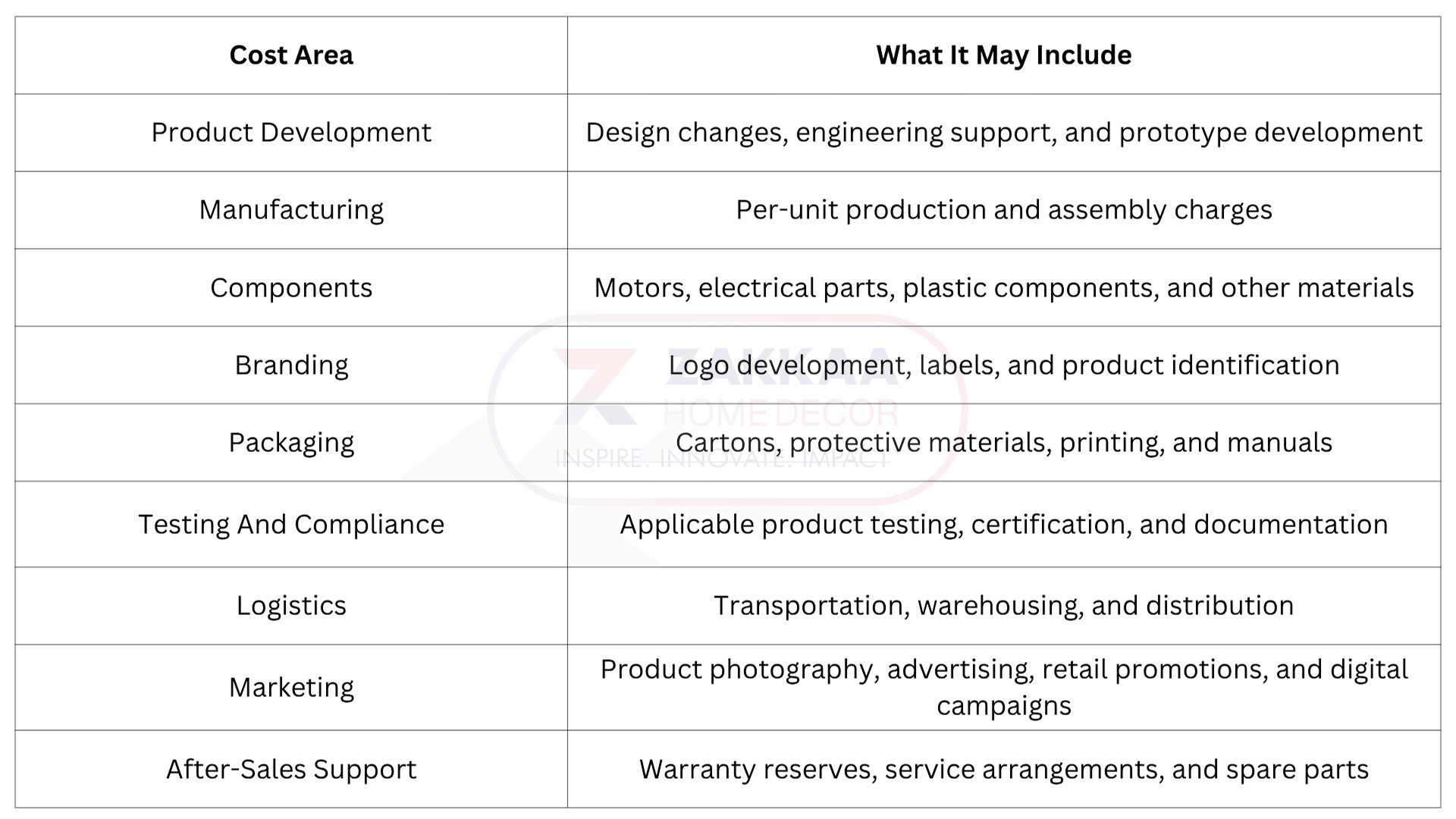
For a new brand, starting with a manageable product range and a realistic order quantity can help control initial inventory commitments.
How To Choose The Right OEM Appliance Manufacturer In India
A manufacturing partner should be evaluated on more than its quoted price or product catalog. The right supplier must be able to meet your product requirements and support the commercial arrangement.
Check Category-Specific Experience
Ask whether the manufacturer has experience with the exact appliance category you plan to launch. Review product samples and technical specifications before discussing large production volumes.
Understand Its Production Capabilities
Ask which activities are handled in-house and which are outsourced. This may include fabrication, component sourcing, assembly, testing, finishing, and packaging.
Review Quality And Compliance Processes
Discuss the inspection stages, applicable product standards, test documentation, and responsibility for regulatory compliance. Requirements vary by appliance category and market.
Confirm Private Label Capabilities
Check whether the manufacturer supports your required logo placement, packaging, labels, model identification, and product modifications.
Discuss MOQ And Scalability
A supplier's minimum order quantity should suit your launch plan. Also consider whether it can support higher volumes if demand grows.
Review Commercial Terms
Compare payment terms, lead times, order cancellation conditions, warranty responsibilities, and replacement policies. Put the agreed terms in writing.
Common Mistakes To Avoid When Outsourcing Appliance Manufacturing
External manufacturing can simplify market entry, but poor planning can create avoidable business problems.
Choosing Only By Price: A low quotation may exclude important components, testing, packaging, or support.
Ignoring Product Specifications: Vague requirements can lead to differences between the expected and delivered product.
Ordering Too Much Initially: Large inventory commitments can create cash-flow and storage challenges before demand is established.
Skipping Sample Inspection: Approving production without reviewing a sample increases the risk of specification mismatches.
Overlooking Compliance: Products must meet applicable safety, labeling, and regulatory requirements in the intended market.
Leaving Responsibilities Unclear: Disputes can arise when testing, warranty, design ownership, or defect handling is not documented.
Ignoring After-Sales Support: Appliance brands need a clear plan for service requests, spare parts, and warranty claims.
A well-defined manufacturing agreement and a realistic launch plan can help reduce these risks.
Why Businesses Choose Private Label Appliance Manufacturing
Private label production gives businesses another way to enter the consumer durable market without managing an entire manufacturing facility.
Some of the key advantages include:
Lower Infrastructure Investment
You can avoid setting up your own production building, machinery, and assembly infrastructure. This allows you to direct more resources toward inventory, branding, and market development.
Access To Existing Manufacturing Capabilities
An established manufacturing partner may already have production equipment, technical teams, sourcing arrangements, and quality-control processes.
Faster Route To Market
Using an existing product platform or production setup may reduce the work involved in starting from scratch. Actual timelines depend on customization, approvals, testing, and order requirements.
Focus On Brand Building
You can concentrate on customer research, pricing, retail relationships, distribution, and marketing while the manufacturing partner handles the agreed production activities.
Flexible Product Expansion
Once your first product is established, you can explore additional appliance categories or product variations based on market demand and supplier capabilities.
How Zakkaa Fits Into Appliance Manufacturing Partnerships
For businesses exploring private label appliance manufacturing, choosing a suitable production partner is an important first step. Zakkaa operates in the home appliance and furniture manufacturing space, making it relevant to businesses evaluating manufacturing and product supply requirements.
Before entering a partnership, buyers should clearly define the appliance category, product specifications, branding requirements, expected order quantity, and quality expectations.
A detailed discussion about manufacturing scope, production capabilities, customization, and commercial terms can help determine whether a supplier is suitable for the planned appliance business.
Conclusion
Launching an appliance brand does not require owning a manufacturing factory. With private label appliance manufacturing, OEM arrangements, or contract manufacturing, businesses can work with established manufacturers and focus on product selection, branding, sales, and distribution.
The key is choosing a suitable manufacturing partner, defining product specifications, checking quality requirements, and understanding the complete commercial arrangement before placing an order. Contact a reliable OEM manufacturer to discuss your appliance manufacturing requirements and explore suitable product partnership opportunities.
Frequently Asked Questions (FAQs)
Can I Start An Appliance Brand Without Owning A Factory?
Yes. You can partner with an OEM or contract manufacturer that produces appliances under your brand. Your business can focus on product selection, branding, marketing, and distribution.
Can I Customize Appliances Under A Private Label Brand?
Yes, depending on the manufacturer's capabilities. Customization may include product dimensions, selected components, colors, finishes, branding, packaging, and other agreed specifications.
What Is MOQ In Appliance Manufacturing?
MOQ stands for Minimum Order Quantity. It is the minimum number of units a manufacturer requires for an order, and it may vary by product category and customization level.
Who Is Responsible For Quality Control In Third-Party Manufacturing?
Responsibility depends on the manufacturing agreement. The manufacturer may handle production inspections and testing, while the brand owner defines requirements and reviews product acceptance and compliance documentation.
Is Private Label Manufacturing Suitable For Startups?
Yes. It can help startups enter the appliance market without building their own factories. However, they still need sufficient capital for product orders, branding, marketing, distribution, and customer support.
Can I Expand My Appliance Brand Through The Same Manufacturing Partner?
Potentially, if the manufacturer has the required production capabilities. Discuss additional product categories, technical requirements, order quantities, and production capacity before planning expansion.