Oct 29, 20269 min readBy Aditya Singh
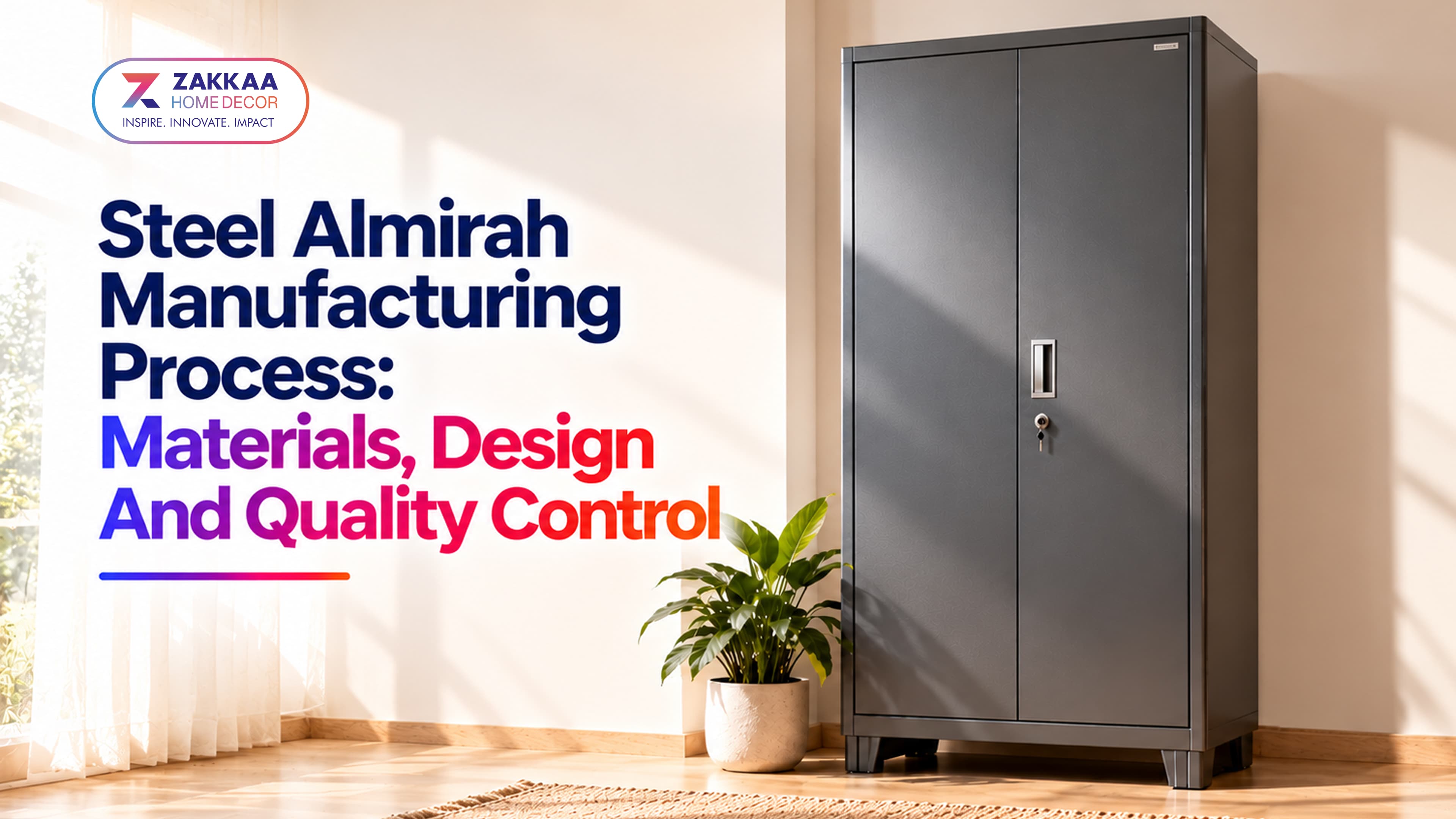
A steel almirah may look like a simple storage product, but its quality depends on several decisions made before it reaches a showroom or customer. Thin or poorly finished sheets, misaligned doors, weak hinges, and unreliable locks can turn an affordable cupboard into a product buyers regret purchasing.
For retailers, distributors, institutional buyers, and businesses looking for OEM almirahs, understanding the almirah manufacturing process helps when comparing suppliers and product specifications. It also makes it easier to ask the right questions about materials, durability, finishing, and quality checks.
Let's explore the key stages of steel almirah manufacturing, from selecting raw materials to delivering the finished product.
Quick Answer: What Is Steel Almirah Manufacturing?
Steel almirah manufacturing converts steel sheets into storage cabinets for homes, offices, schools, hostels, shops, and other commercial spaces.
The process generally involves selecting sheet metal, cutting and shaping components, forming the cabinet structure, assembling doors and fittings, applying surface finishes, and checking the finished product.
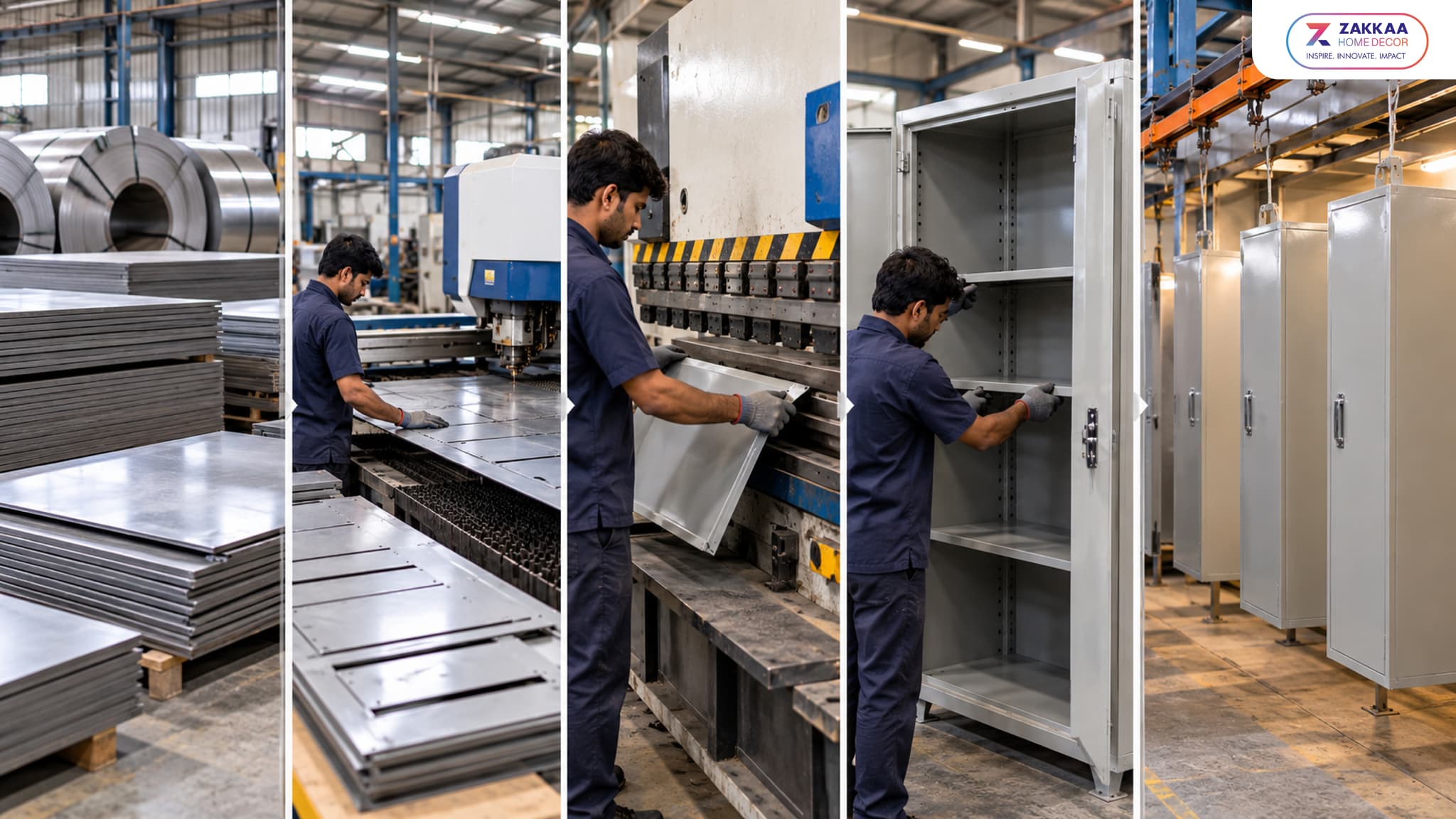
The exact process depends on the almirah design, sheet specifications, production equipment, and manufacturer's methods. A basic domestic almirah may differ from a heavy-duty steel cupboard designed for institutional storage.
For buyers, the goal is not simply to find an almirah that looks good. It is to choose a product with solid construction, practical storage space, reliable fittings, and a finish suited to its intended use.
How To Manufacture a Steel Almirah: A Comprehensive Process
1. Raw Material Selection And Inspection
Every steel almirah starts with the raw materials used to make its body, doors, shelves, and other components. Steel sheets are a major part of this process, so their specifications should match the intended product design.
You must consider factors such as sheet thickness, material quality, cabinet dimensions, and expected usage. A cupboard for everyday household clothing may have different requirements from one intended for frequent use in a hostel or office.
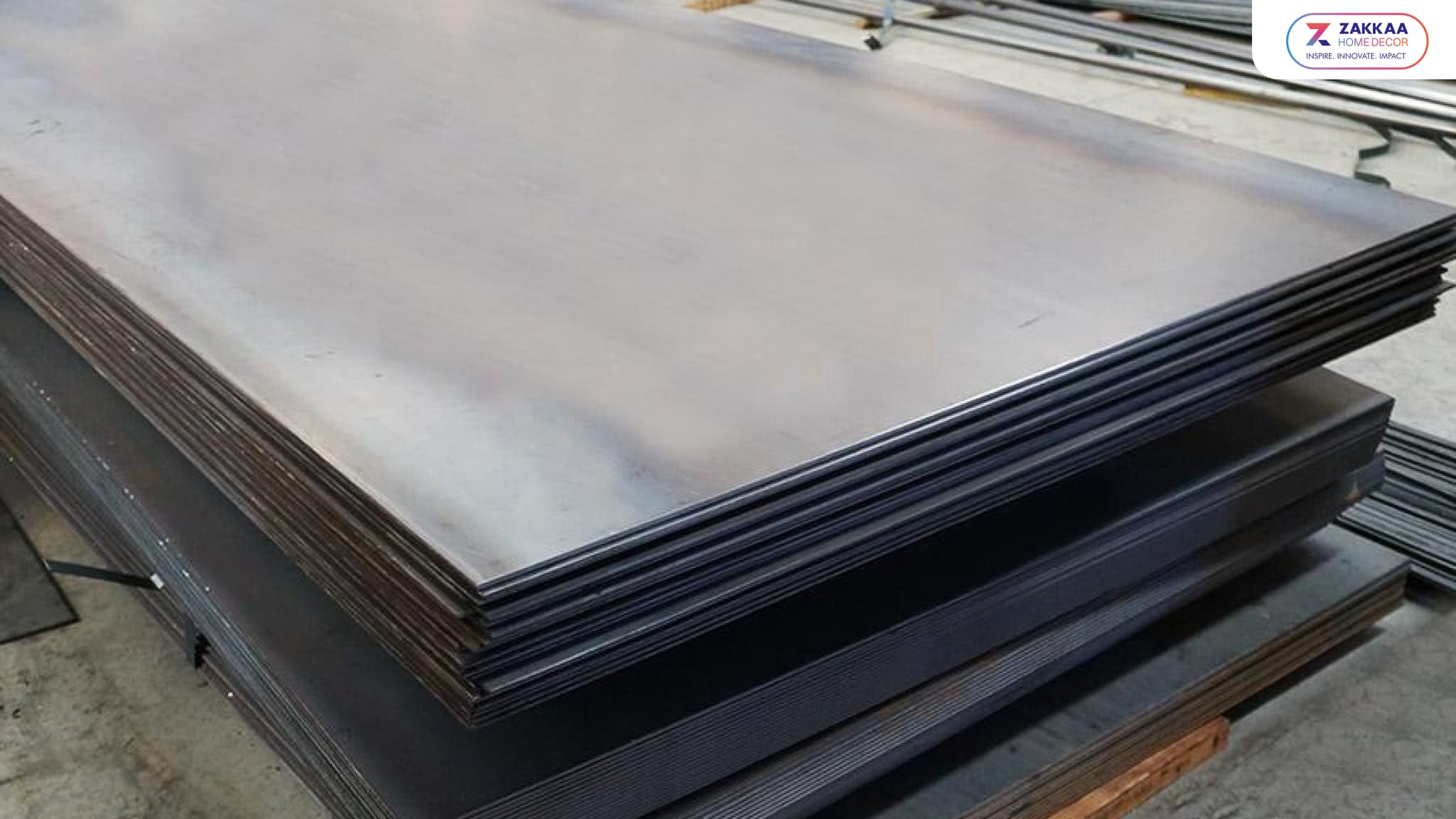
Before production begins, incoming sheets should be checked for visible damage, rust, surface defects, and dimensional suitability. Using suitable materials at this stage helps prevent avoidable problems during fabrication and assembly.
2. Sheet Metal Cutting And Fabrication
Once the materials are approved, steel sheets are cut into the shapes needed for the almirah. These components may include side panels, the top and bottom sections, doors, shelves, and other structural parts.
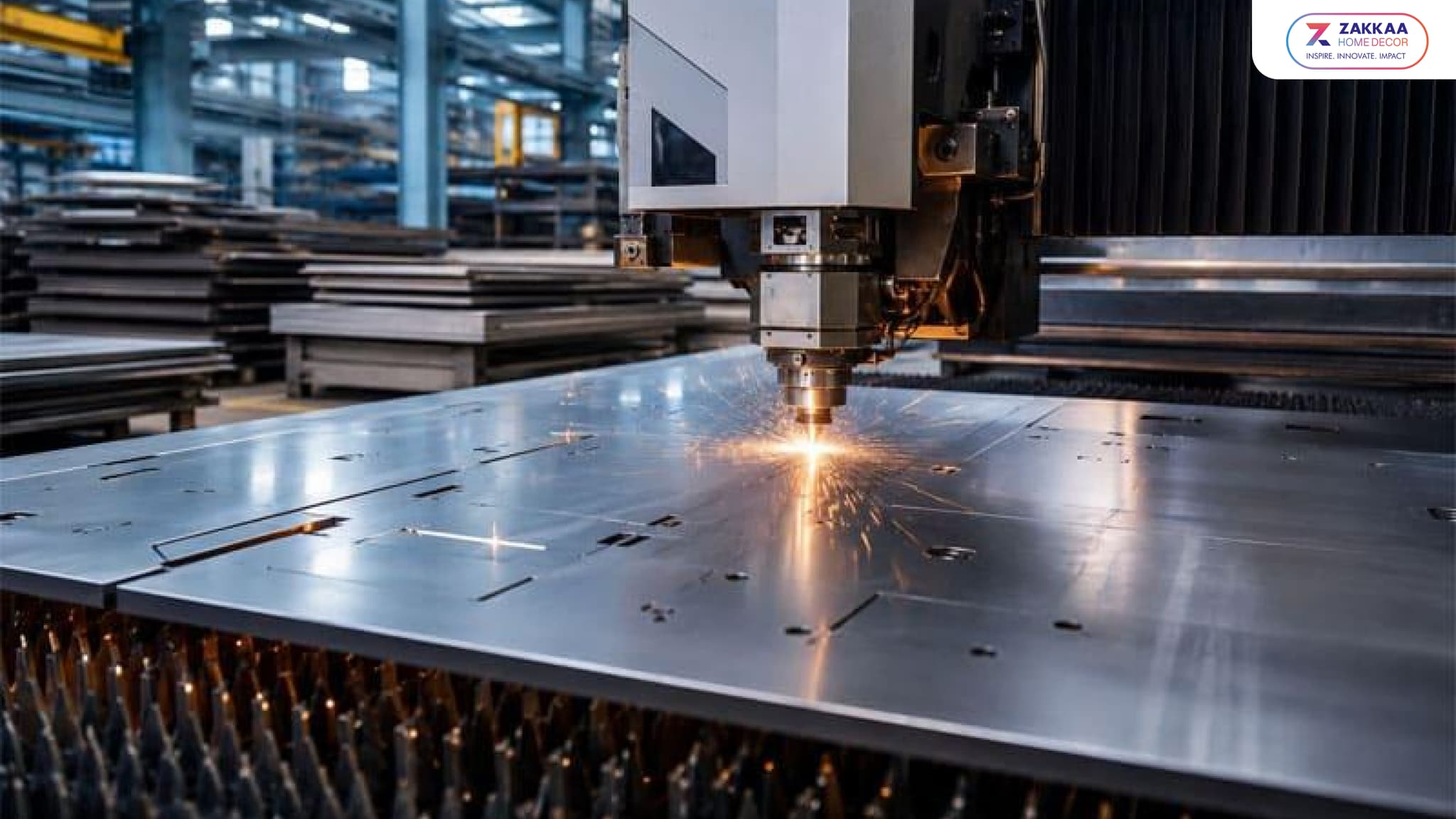
Manufacturers use suitable cutting and sheet metal fabrication methods to achieve the required dimensions. Depending on the factory's equipment and production setup, this work may involve mechanical cutting, shearing, or other fabrication processes.
Accurate cutting matters because the components must fit together during the next stages. Poorly sized panels can create uneven gaps, alignment problems, or difficulties when fitting the doors.
The cut edges also need attention. Rough or sharp edges can affect worker safety, assembly quality, and the final product's finish.
What Buyers Should Check:
Confirm that panels are made to the specified dimensions.
Look for clean edges and properly formed components.
Ask how the manufacturer checks dimensional accuracy.
Review a finished sample when placing a bulk order.
3. Bending And Cabinet Structure Formation
After cutting, the steel components are shaped to create the almirah's body and other required sections. Bending helps form edges, folds, and profiles that allow panels to fit together and provide the intended structure.
The design determines how the side panels, back panel, shelves, and other parts connect. Properly formed components support alignment and help the cabinet maintain its intended shape during assembly and everyday use.
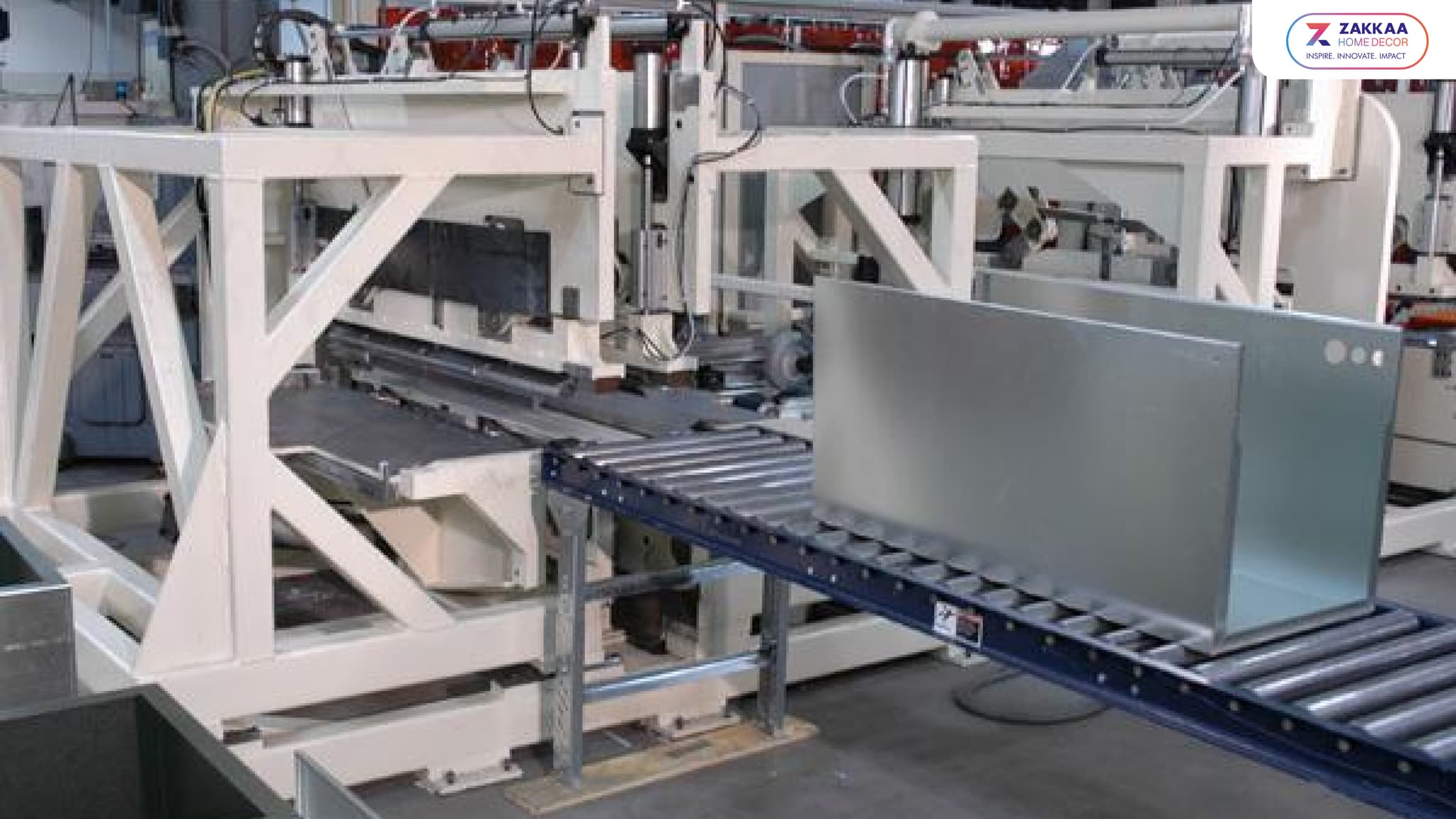
The manufacturer also prepares openings and mounting points for hinges, handles, locks, and other fittings where required. These details must match the product design so that the hardware can be installed correctly.
For buyers, the important point is that an almirah's strength does not depend on its outer appearance alone. Panel design, material specifications, bends, joints, and overall construction all contribute to the finished product.
4. Cabinet Assembly And Fitting Installation
The prepared components are brought together to form the almirah. Depending on the design, the manufacturer may use suitable joining methods, fasteners, and other assembly techniques to connect the body panels and create the cabinet structure.
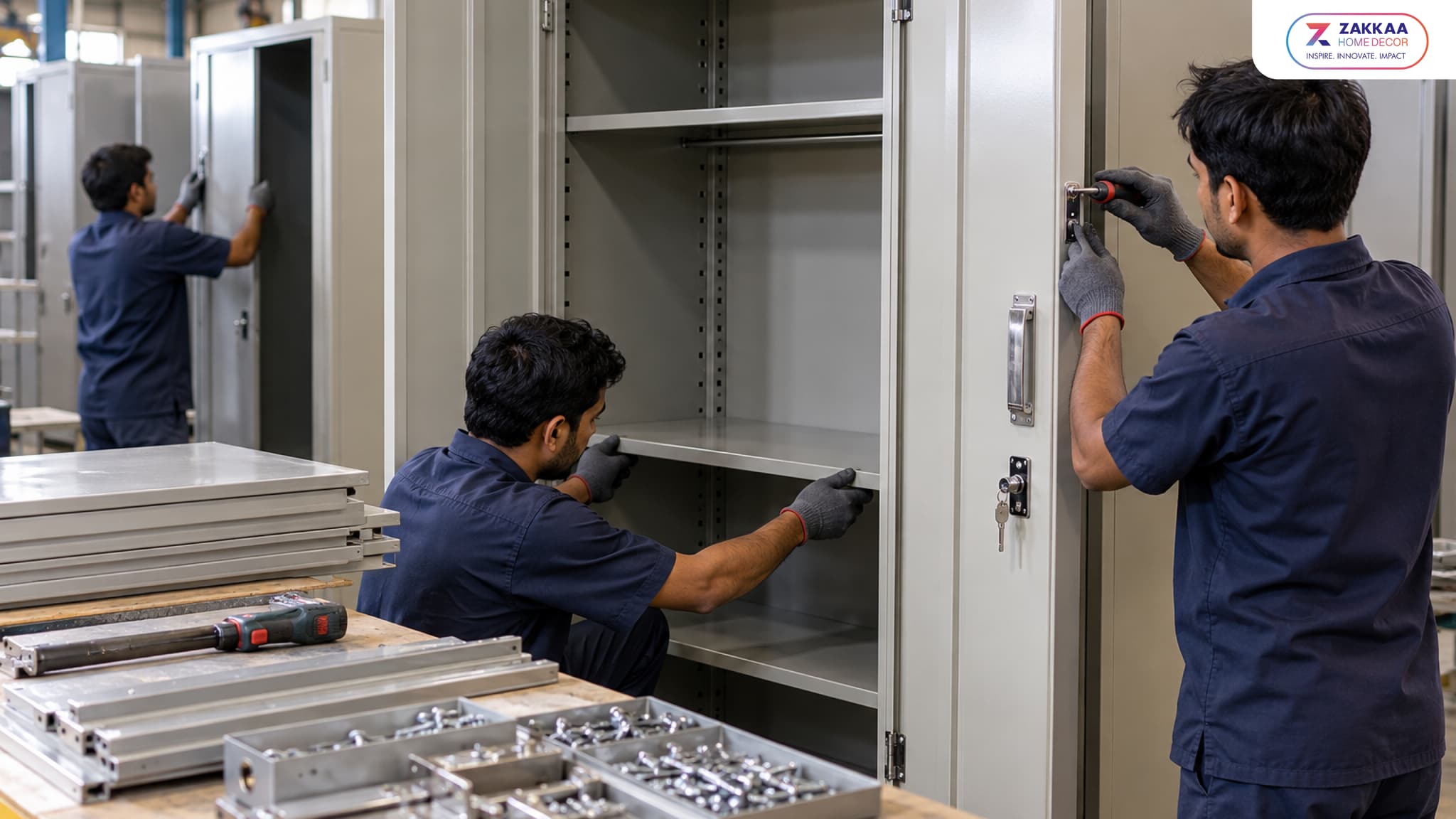
Doors, shelves, hinges, handles, locks, and other fittings are then installed as required. Their positioning matters because even a well-fabricated cabinet can feel poorly made if its doors do not close properly or its lock is difficult to operate.
The manufacturer checks the door alignment, shelf positioning, and fit of the different components. For multi-door steel wardrobes, these checks become particularly important because the doors must line up correctly and open without unnecessary obstruction.
The assembly process also affects usability. Buyers should consider whether shelves provide practical storage space, whether the doors open comfortably, and whether the fittings suit the intended users.
5. Surface Finishing And Coating
Surface finishing gives the steel almirah its final appearance and helps protect the metal. Depending on the manufacturer's process, the surface may be cleaned and prepared before a suitable coating is applied.
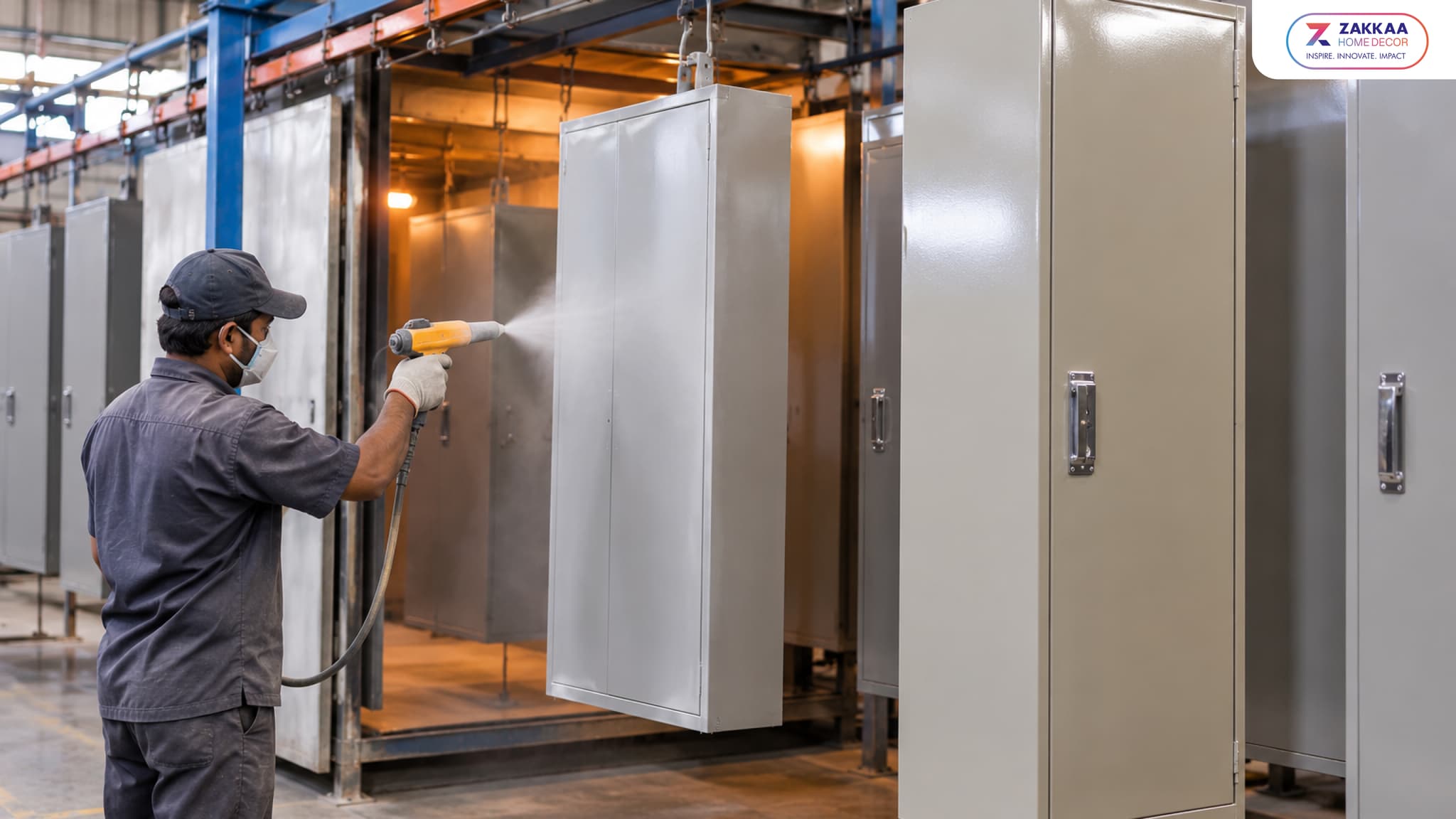
Powder coating is one finishing option used for steel furniture. Other coating systems may be selected according to the product design and production requirements. The appropriate method depends on the manufacturer's process and the intended application.
Surface preparation is important because dirt, oil, rust, or other contaminants can affect coating adhesion. After finishing, the manufacturer should inspect the product for visible defects, uneven coverage, scratches, and other imperfections.
A good finish does more than make an almirah attractive. It also influences how the product looks after handling, transportation, and regular use. However, coating quality should be assessed alongside material specifications and construction rather than treated as the only measure of durability.
6. Quality Control, Packaging And Dispatch
Before an almirah leaves the factory, the finished product should undergo checks to confirm that it meets the agreed specifications. This stage helps identify issues that may have been missed during fabrication, assembly, or finishing.
Quality control may include checking dimensions, door alignment, lock operation, hinges, shelves, surface finish, and overall construction. The inspection requirements should reflect the product design and the buyer's expectations.
Once approved, the almirah is prepared for dispatch. Proper packaging protects its corners, panels, doors, and finish during storage and transport. This is particularly important for bulk orders traveling over long distances or passing through multiple handling points.
For retailers and distributors, damage during delivery can lead to customer complaints, replacement costs, and delays. Packaging and dispatch procedures therefore deserve attention when evaluating a steel almirah manufacturer.
Important Components Used To Make Steel Almirah
The components used in an almirah affect its storage capacity, appearance, usability, and overall construction.
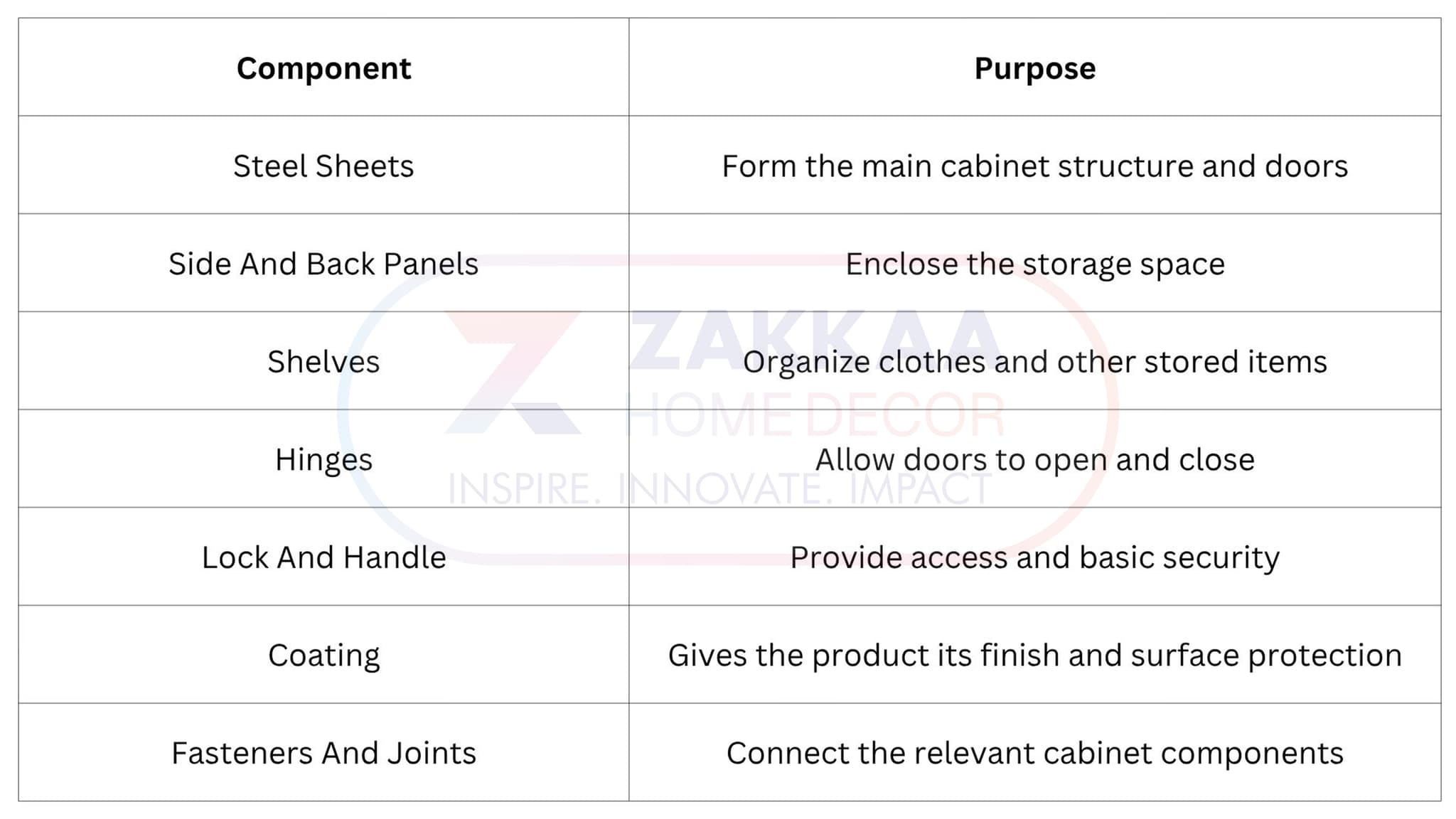
The exact components vary by model. Buyers should review the bill of materials or product specifications when available, especially for customized or bulk OEM orders.
Steel Almirah Manufacturing For OEM Buyers
OEM almirah manufacturing allows businesses to source products made according to agreed specifications and sell them under their own brand, where the manufacturer offers these arrangements.
For retailers, distributors, and furniture businesses, this can provide an opportunity to develop a product range suited to their customers. However, customization must be discussed before production begins.
Common discussion points include almirah dimensions, shelf configurations, locking systems, surface finishes, branding, packaging, and order quantities. Not every manufacturer offers every option, and some changes may require additional setup or production costs.
OEM buyers should also establish clear quality requirements. The approved sample, material specifications, finish expectations, inspection process, and packaging details should be documented before bulk manufacturing starts.
A clear agreement reduces confusion and helps the manufacturer understand what the buyer expects from the finished product.
How Zakkaa Fits Into Your Steel Almirah Sourcing Research
For retailers, distributors, and businesses exploring steel furniture, choosing the right supplier starts with understanding the required product range and quality expectations.
Zakkaa can be considered part of your steel almirah sourcing research. Before proceeding, discuss the available models, material specifications, customization options, production capacity, order quantities, and commercial terms directly with the company.
Confirm the details relevant to your requirements, including finishing options, quality checks, packaging, and delivery arrangements. This helps you evaluate whether the available products and supply terms fit your business needs.
Conclusion
To sum up, steel almirah manufacturing involves several connected stages, from selecting suitable steel sheets and fabricating panels to assembling the cabinet, applying the finish, and inspecting the final product. Each stage contributes to the almirah's appearance, usability, and overall construction.
For homeowners, these details help explain what to look for when comparing products. For retailers, distributors, institutional buyers, and OEM customers, understanding the process helps them evaluate suppliers and make more informed bulk-purchasing decisions.
If you are looking for OEM steel almirahs for your business, you can discuss your product requirements with a reliable almirah manufacturing company in India.
Frequently Asked Questions (FAQs)
What Is The Role of Sheet Metal Fabrication In Almirah Manufacturing?
Sheet metal fabrication converts steel sheets into accurately sized and shaped panels. These panels form the cabinet body, doors, shelves, and other required components.
How Is The Quality of A Steel Almirah Checked?
Quality checks may cover dimensions, panel alignment, door movement, lock operation, fittings, surface finish, and overall construction before packaging and dispatch.
Can Steel Almirahs Be Customized For OEM Orders?
Yes, some manufacturers offer OEM customization, including dimensions, shelf layouts, finishes, branding, and packaging. Available options depend on the manufacturer's capabilities and order requirements.
What Should Buyers Ask A Steel Almirah Manufacturer Before Ordering?
Ask about steel specifications, available designs, quality checks, production capacity, minimum order quantities, customization, delivery timelines, warranty terms, and after-sales support.
Why Is Surface Finishing Important For Steel Almirahs?
Surface finishing improves the almirah's appearance and helps protect the steel surface. Proper preparation and coating also help reduce visible imperfections and coating-related problems.
What Should Retailers Check Before Placing A Bulk Almirah Order?
Retailers should inspect a sample, confirm material and finish specifications, agree on quality standards, verify production timelines, and review packaging and delivery arrangements.