Oct 28, 20266 min readBy Aditya Singh
After months of summer use, your air cooler may have collected dust, mineral deposits, and residue inside its water tank. Leaving it dirty through the cooler months can lead to unpleasant odors, clogged cooling pads, and extra cleaning when temperatures rise again.
In India, Diwali is a practical time to include seasonal appliance care in your home-cleaning routine. Before covering and storing your domestic air cooler, a little attention to the tank, pump, cooling pads, and outer body can help keep it in better condition.
These air cooler cleaning, maintenance, and storage tips for Diwali 2026 will help you prepare your appliance for the off-season and make setup easier next summer.
Smart Tips To Clean And Maintain Your Air Cooler For A Fresher Home This Diwali
Diwali is the time to deep-clean every corner of your home, including your summer appliances. Your air cooler also needs proper cleaning to remove dust, prevent unpleasant odors, and keep it ready for the next season. Let’s explore simple air cooler cleaning and maintenance tips to keep your home fresher this Diwali.
1. Flush The Water Tank To Remove Deposits
Drain the tank and wipe away accumulated dirt, sludge, and mineral deposits. Use a manufacturer-approved cleaning method to prevent residue from affecting water circulation.
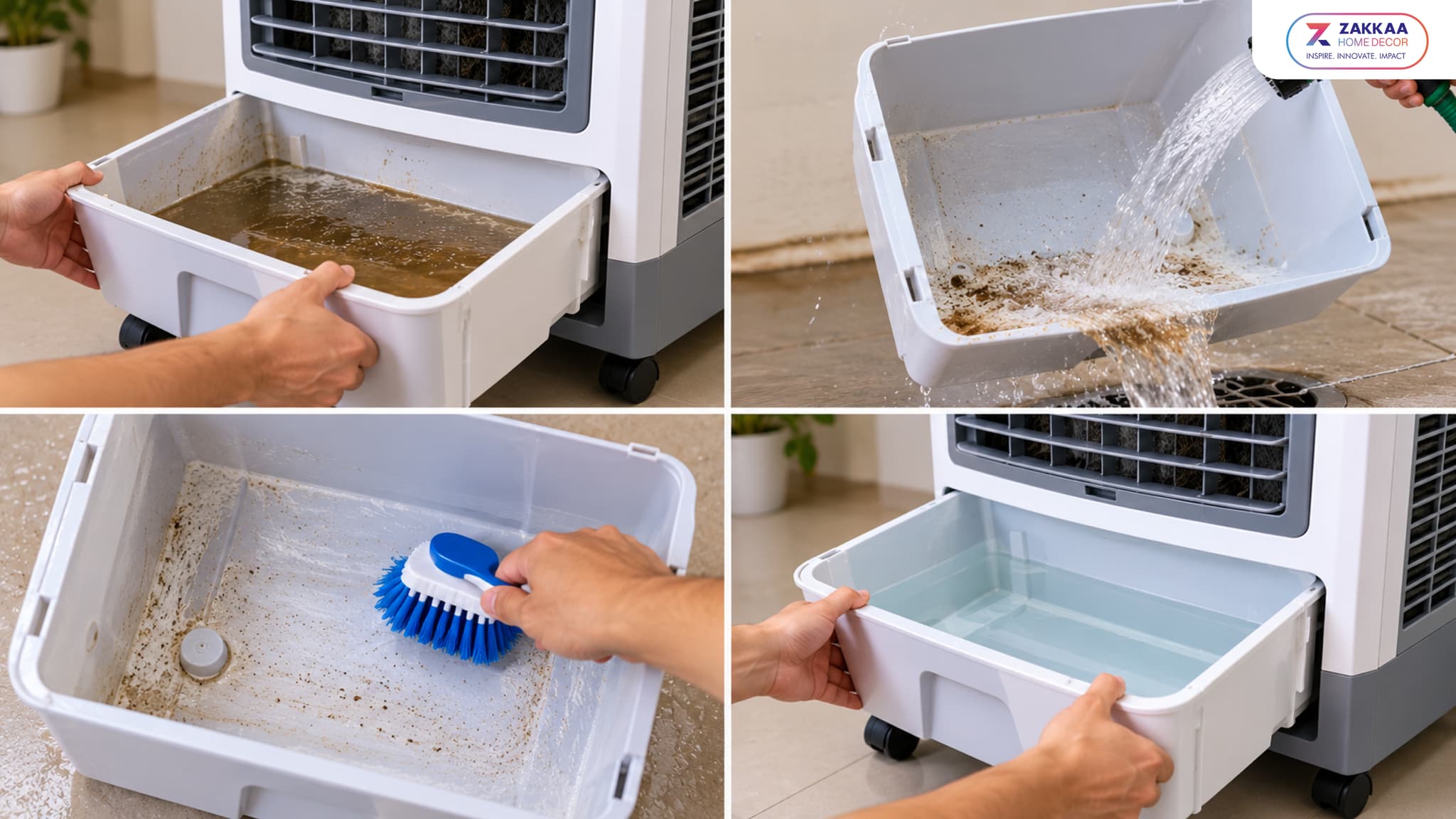
Clean tank corners and the drain outlet.
Check for scale buildup and water leakage.
Leave the tank completely empty after cleaning.
2. Descale The Water Distribution System
Mineral deposits from hard water can block small water outlets and prevent cooling pads from getting evenly wet. Check the water distributor and accessible pipes for buildup.
Clear accessible outlets according to the manual.
Avoid poking pipes with sharp metal objects.
Replace damaged water tubes when necessary.
3. Check Whether The Water Pump Circulates Properly
Before storing the cooler, inspect the pump for visible blockages or damage. If you notice weak water flow during summer, have the pump checked rather than leaving the problem unresolved.
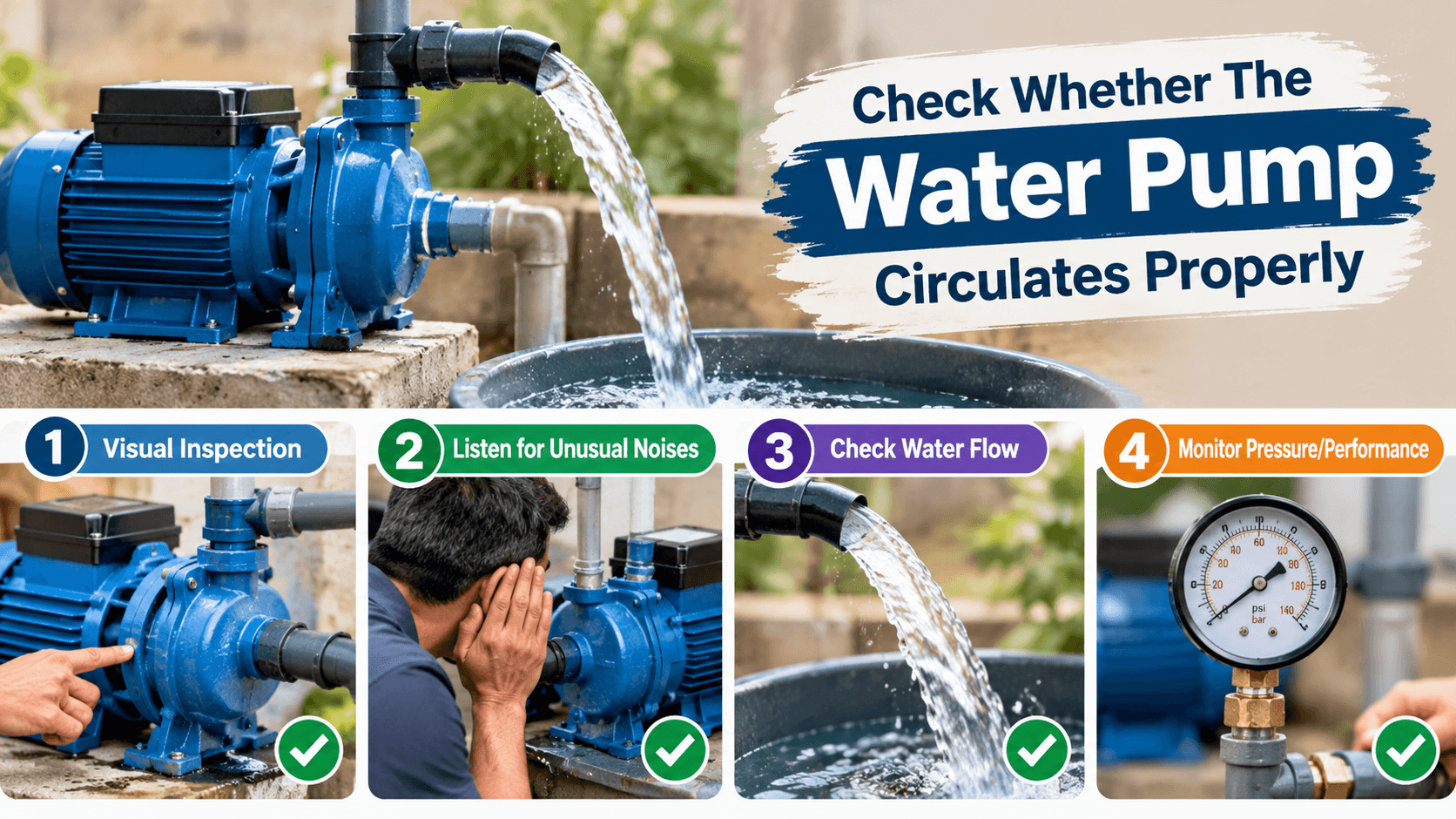
Check accessible pump openings for obstructions.
Inspect the water intake for accumulated dirt.
Arrange servicing for unusual noise or weak flow.
4. Inspect Cooling Pads For Scale And Wear
Cooling pads can become clogged with mineral deposits, reducing water absorption and airflow. Check for hard patches, crumbling edges, or uneven water distribution across the pads.
Clean washable pads using approved methods.
Replace severely clogged or deteriorated pads.
Confirm the pads fit securely in place.
5. Clean The Fan Blades And Air Vents
Dust on fan blades and vents can restrict airflow and contribute to uneven cooling. Clean accessible surfaces carefully, avoiding electrical connections and internal wiring.
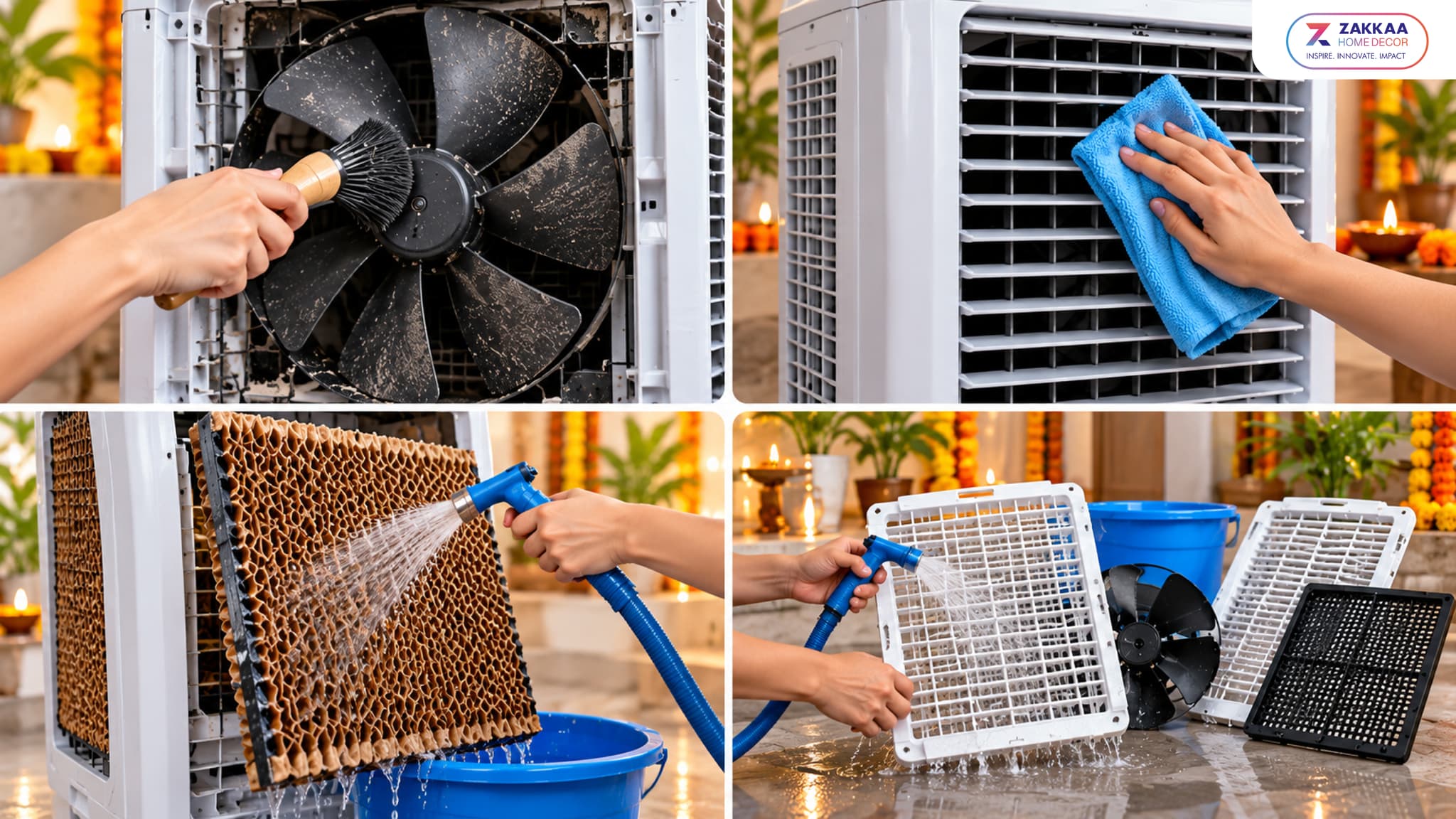
Remove dust with a soft brush.
Check vents for lint and debris.
Get inaccessible fan components cleaned professionally.
6. Inspect The Motor For Unusual Performance
A motor that overheats, vibrates excessively, or makes unusual noises may need professional inspection. Check for these warning signs before putting the cooler away for the season.
Note unusual sounds during previous operation.
Check for excessive vibration or burning smells.
Arrange servicing for recurring motor problems.
7. Check The Float Valve And Water-Level Control
If your cooler uses a float valve, inspect it for sticking or incorrect water-level control. A faulty valve may cause overfilling or prevent the tank from filling properly.
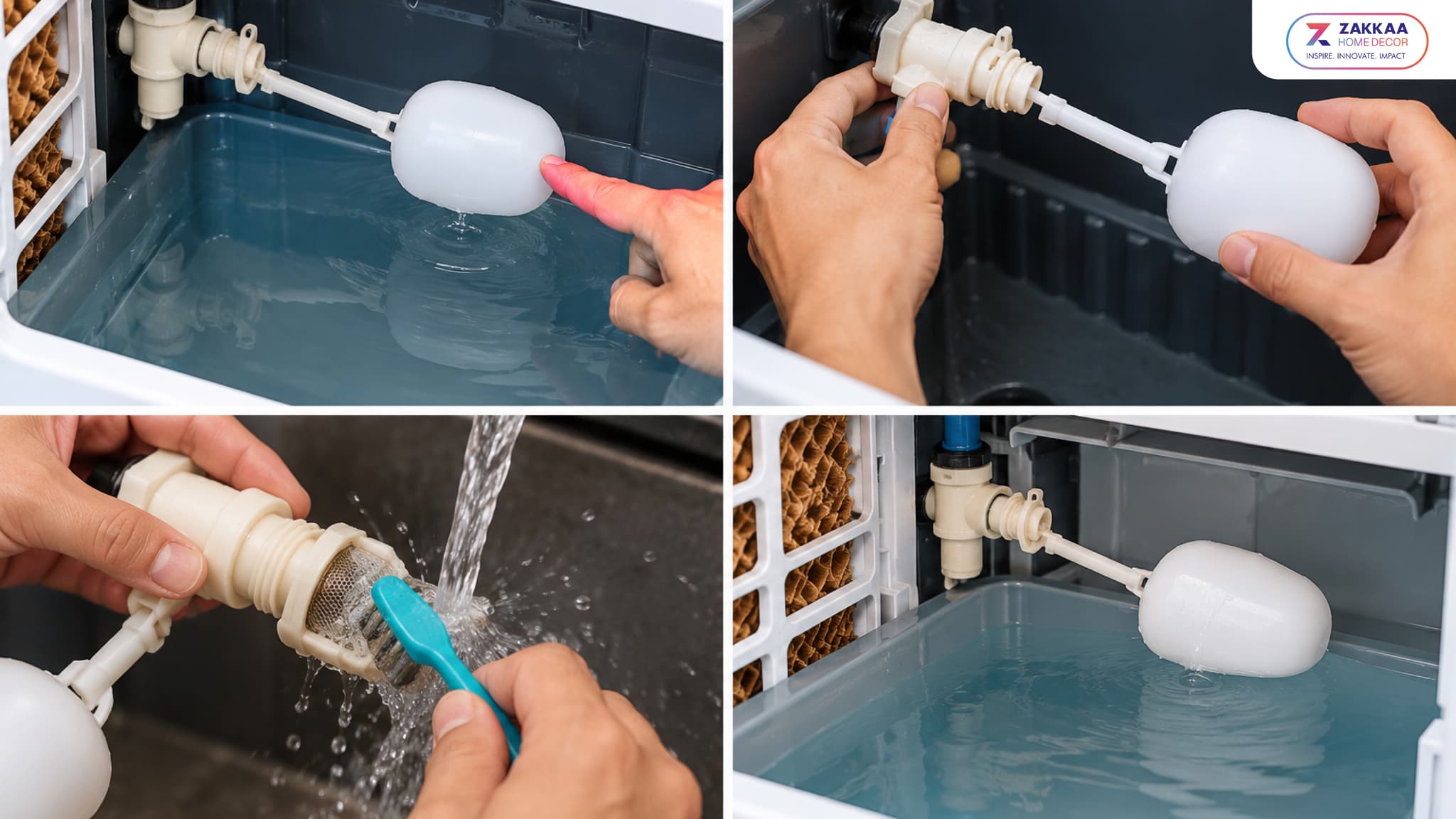
Check whether the float moves freely.
Look for signs of water overflow.
Replace faulty parts with compatible components.
8. Clean The Water Filter And Pump Intake
Some coolers have a filter or mesh screen that catches dirt before it enters the pump. Check the manual to identify these parts and clean them if they are designed to be serviced.
Remove trapped debris from accessible screens.
Rinse reusable filters as instructed.
Replace damaged filters when required.
9. Protect The Cooler From Moisture During Storage
After cleaning, dry the tank, pads, and accessible water-contact areas thoroughly. Store the cooler only when dry to reduce unpleasant odors and moisture-related issues.
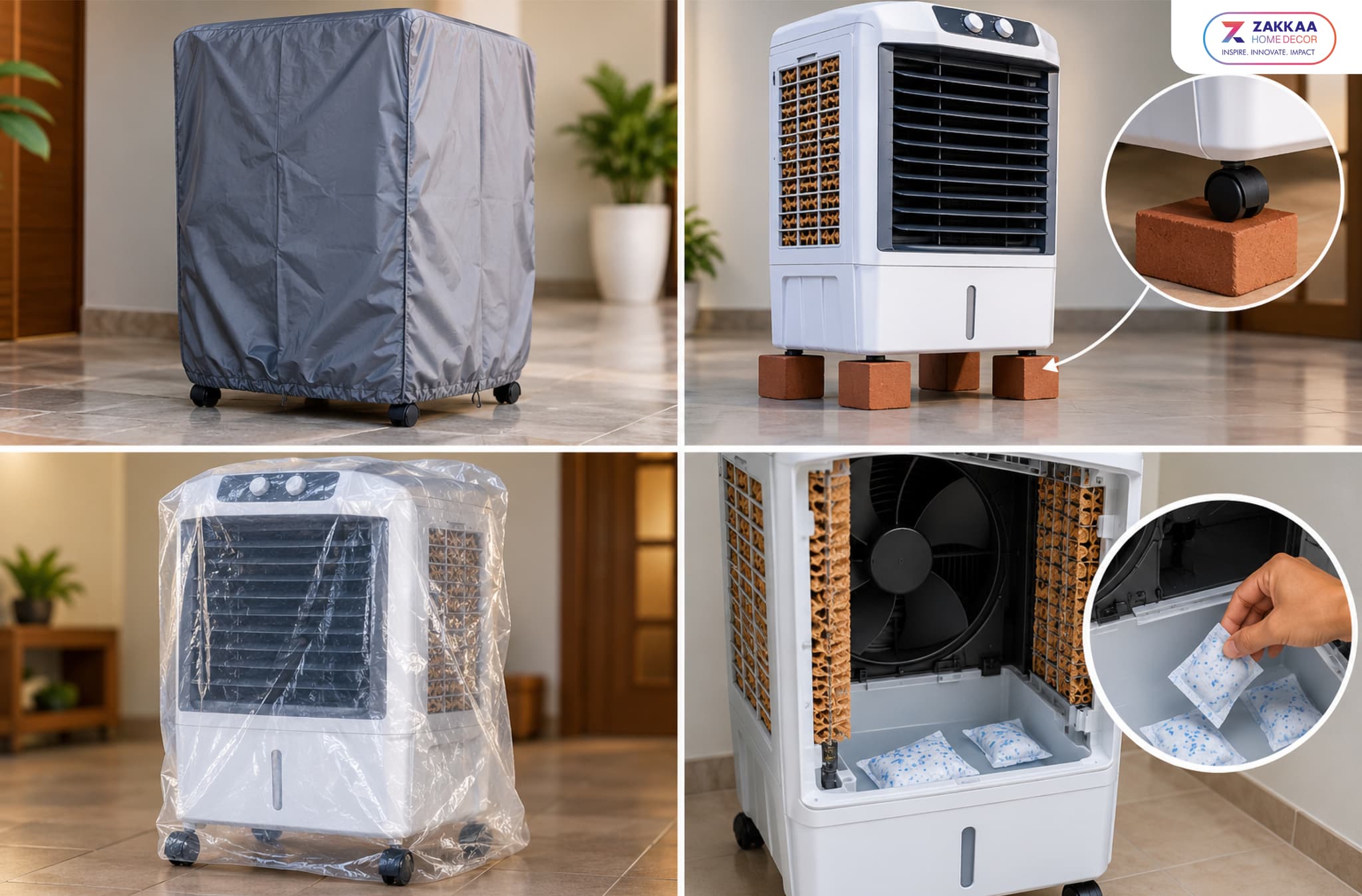
Drain water from the tank and pipes.
Allow washable parts to dry completely.
Use a breathable, appropriately sized cover.
10. Test The Cooler Before Putting It Away
A quick operational check before storage can help identify problems that developed during summer. Only test the appliance after reassembly, when all parts are dry, and it is safe to operate.
Check fan operation and airflow.
Confirm that water reaches the cooling pads.
Listen for unusual noises or vibrations.
Disconnect the power before final storage.
Smart Diwali Cleaning Tips To Keep Home Appliances In Top Condition
Diwali cleaning is also a good time to check other appliances around your home. These simple tips help remove everyday dirt and keep your appliances ready for regular use.
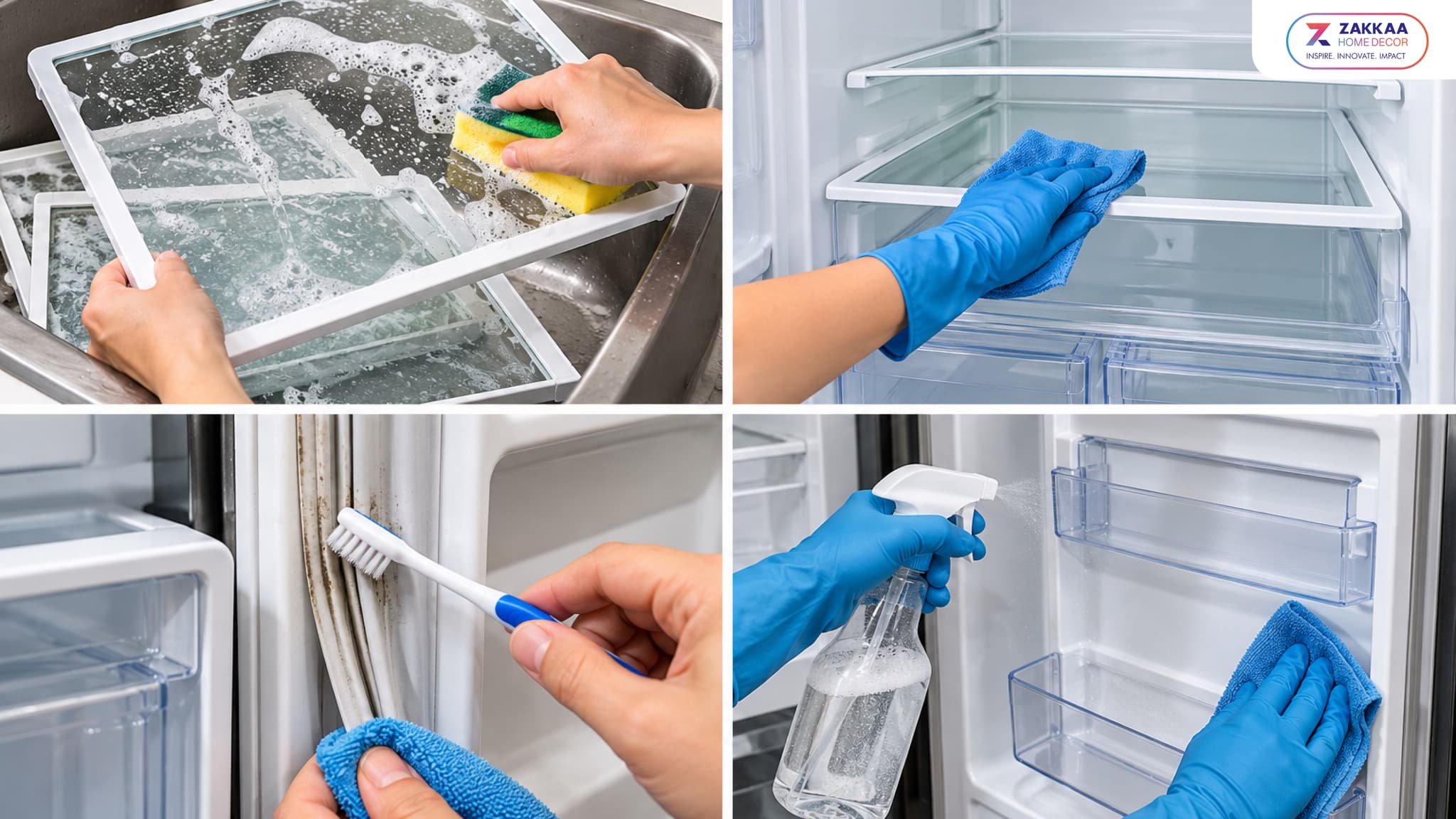
1. Clean Refrigerator Shelves And Seals
Remove expired food and empty removable shelves.
Wipe shelves with a suitable cleaning solution.
Clean door seals to remove dirt and spills.
2. Freshen Up Your Washing Machine
Clean detergent drawers to remove residue buildup.
Run the recommended drum-cleaning cycle.
Wipe the door seal and dry the interior.
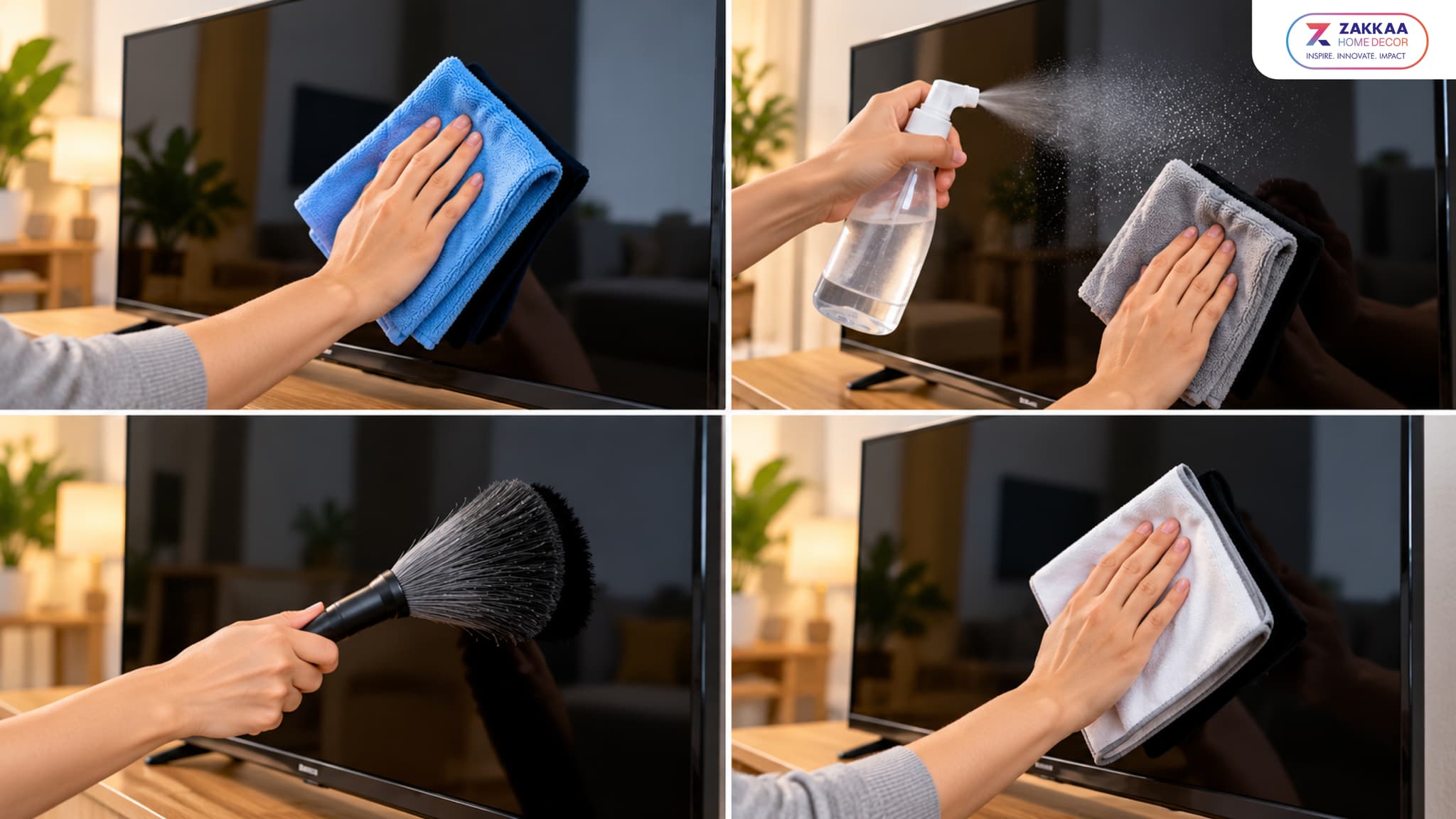
3. Wipe Your LED TV Screen
Switch off and unplug the television first.
Use a clean, dry microfiber cloth.
Avoid spraying liquids directly onto the screen.
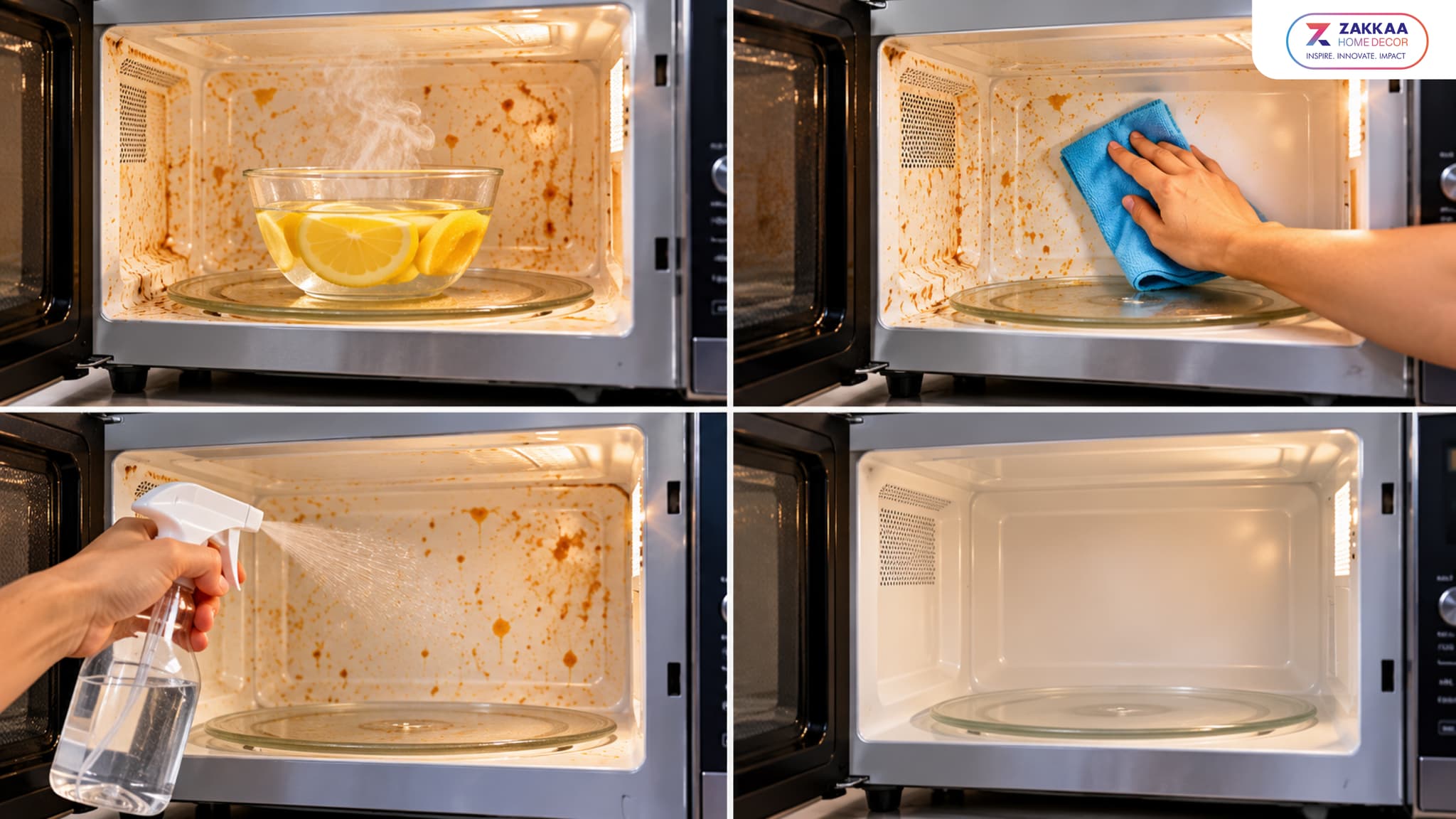
4. Remove Microwave Stains
Remove the turntable and clean it separately.
Wipe food splashes with a soft cloth.
Dry the interior before using the microwave.
5. Clean Air Conditioner Filters
Switch off the AC before cleaning.
Clean removable filters according to the manual.
Check for dust around accessible vents.
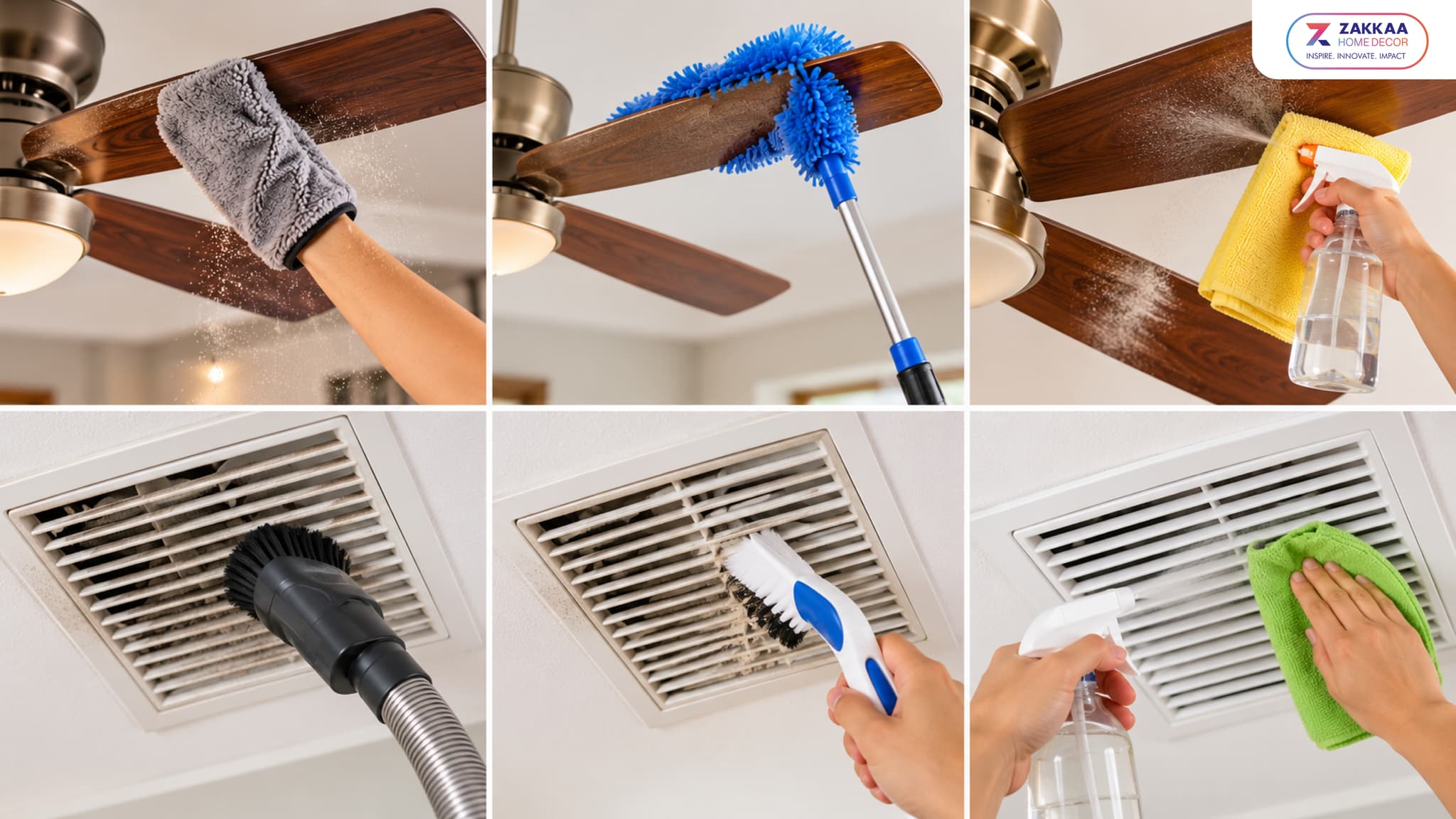
6. Remove Dust From Electric Fans
Unplug the fan before starting.
Clean the grille and blades carefully.
Dry all parts before reconnecting the fan.
7. Check Your Water Purifier
Wipe the exterior with a soft cloth.
Inspect visible pipes and connections for leaks.
Replace filters according to the recommended schedule.
8. Descale Your Electric Kettle
Unplug the kettle and let it cool.
Remove mineral deposits using an approved method.
Rinse as directed and dry the exterior.
Final Remarks
Diwali cleaning is the perfect time to prepare your air cooler for off-season storage and give your other home appliances some attention. Simple steps like removing dust, cleaning water tanks, checking components, and storing appliances properly can help prevent avoidable maintenance issues.
Planning to upgrade your home cooling appliances? Contact Zakkaa to explore suitable air cooler options for your home or business.
Frequently Asked Questions (FAQs)
When Should I Store My Air Cooler After Summer?
Store it when you no longer need regular cooling. Clean and dry it thoroughly before covering it for the off-season.
Can I Use Soap To Clean My Air Cooler Tank?
Use only a cleaning method approved by the manufacturer. Avoid harsh chemicals that could damage the tank or other components.
How Do I Prevent Bad Smells In A Stored Air Cooler?
Drain the tank, clean the water-contact surfaces, dry the components completely, and store the appliance in a dry location.
Should I Remove The Cooling Pads Before Storage?
Follow the manufacturer's instructions. Whether the pads should be removed depends on the cooler's design and the type of pads fitted.