Oct 19, 20269 min readBy Aditya Singh
Your laundry routine deserves more than a machine that simply washes clothes. A suitable washing machine can protect delicate fabrics, handle heavy loads, and make everyday chores less demanding without stretching your household budget.
The market offers several choices, including front-load, top-load, and semi-automatic washing machines. Each comes with its own advantages in cleaning performance, convenience, water usage, and price.
The best washing machine is the one that meets your actual needs, not just the one with the longest feature list. This guide explains the key differences and buying factors to help you choose wisely.
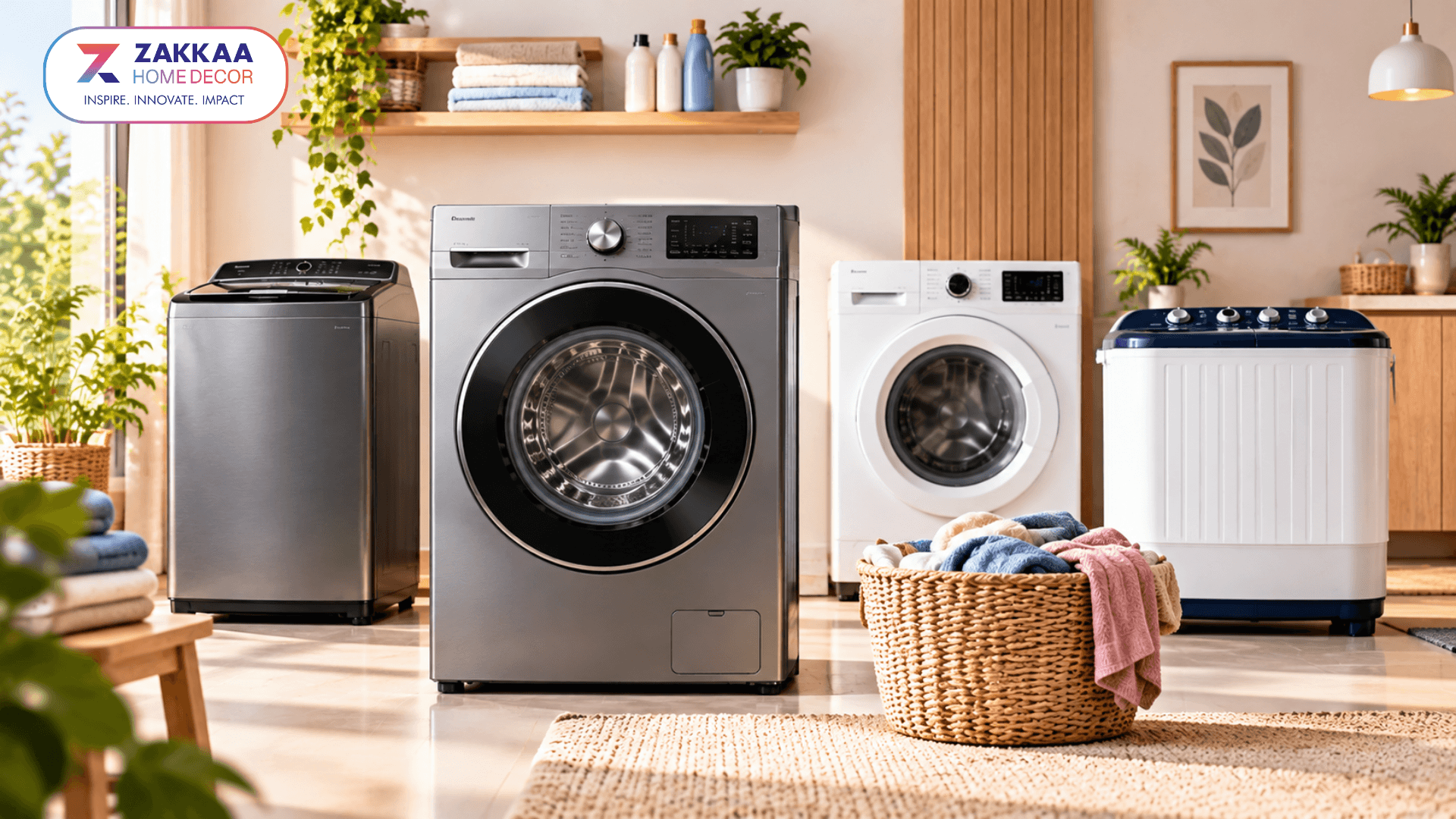
Types of Washing Machines: Which Is Right For You
Buying a washing machine is not just about choosing a popular brand or the latest model. The wrong choice can mean wasted water, higher electricity bills, limited laundry capacity, and programmes you rarely use. The right machine should match your family size, washing frequency, available space, and budget. These practical washing machine buying tips explain what matters before you spend your money.
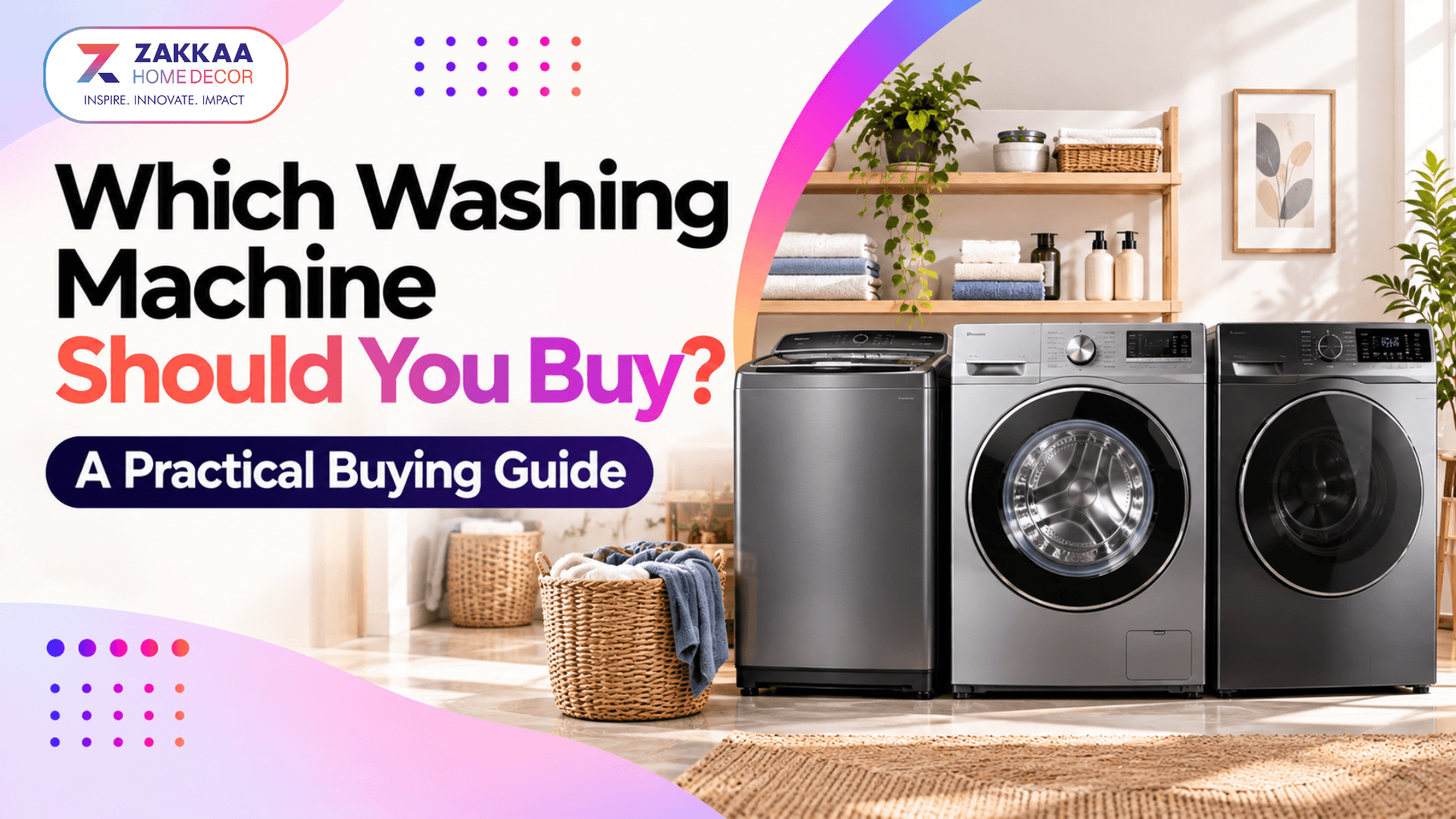
Start by choosing the machine type that fits your daily routine. In India, the main options are semi-automatic top-load, fully automatic top-load, and fully automatic front-load washing machines.
1. Semi-Automatic Washing Machine
A semi-automatic washing machine has separate washing and spinning tubs in many models. Users generally need to transfer clothes between tubs and manage parts of the washing process manually.
Best for: Budget-conscious households, areas with limited water availability, and buyers comfortable with more hands-on laundry work.
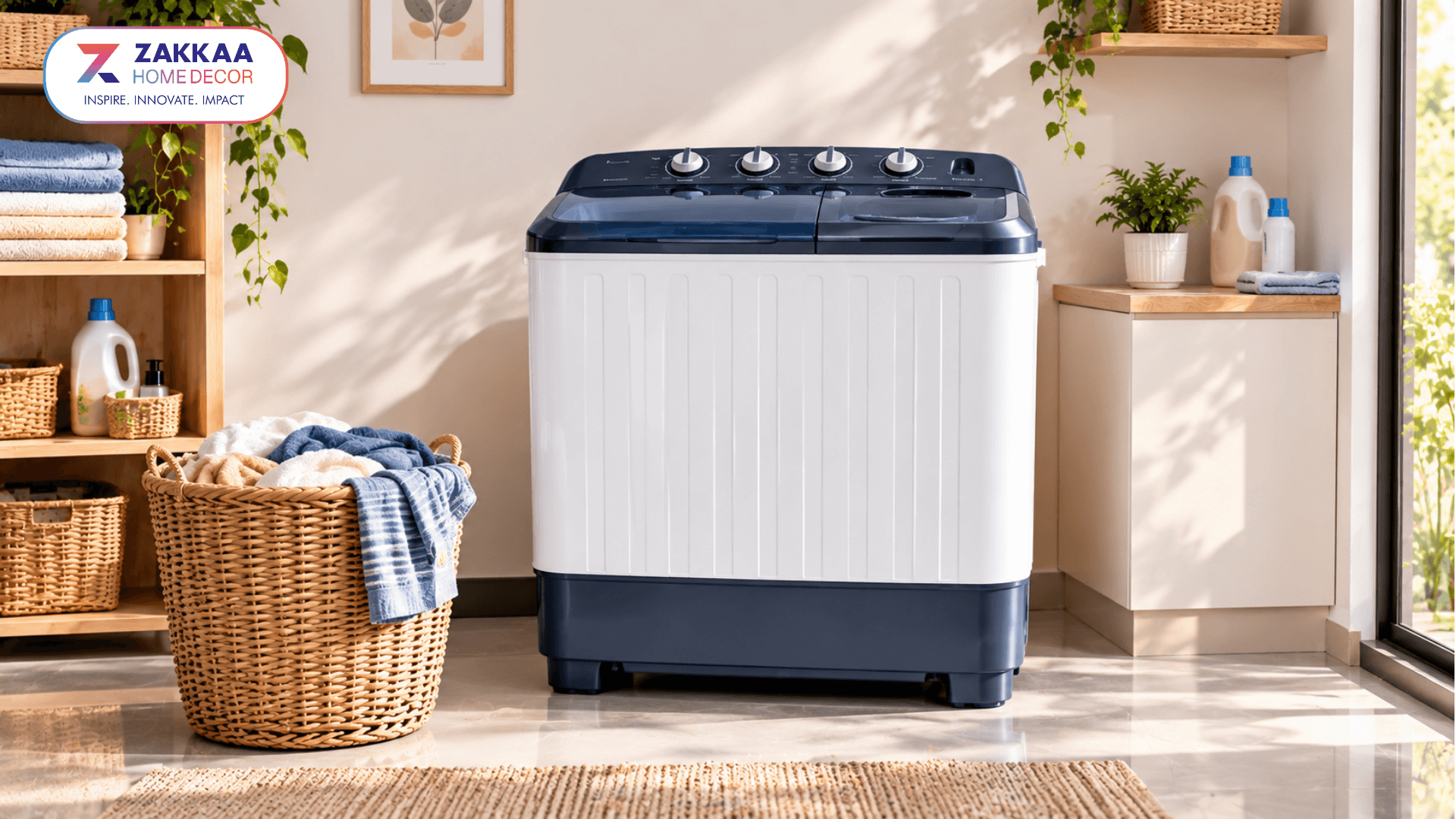
Pros: Affordable purchase price, lower water consumption in some models, and greater control over water usage.
Cons: Requires manual intervention, including transferring clothes between tubs, and takes more effort during laundry.
2. Fully Automatic Top-Load Washing Machine
A fully automatic top-load washing machine handles washing and spinning through programmed cycles. Its top-opening design makes loading convenient for many users, and the controls are usually straightforward.
Best for: Families looking for convenient everyday washing without the loading and bending associated with some front-load designs.
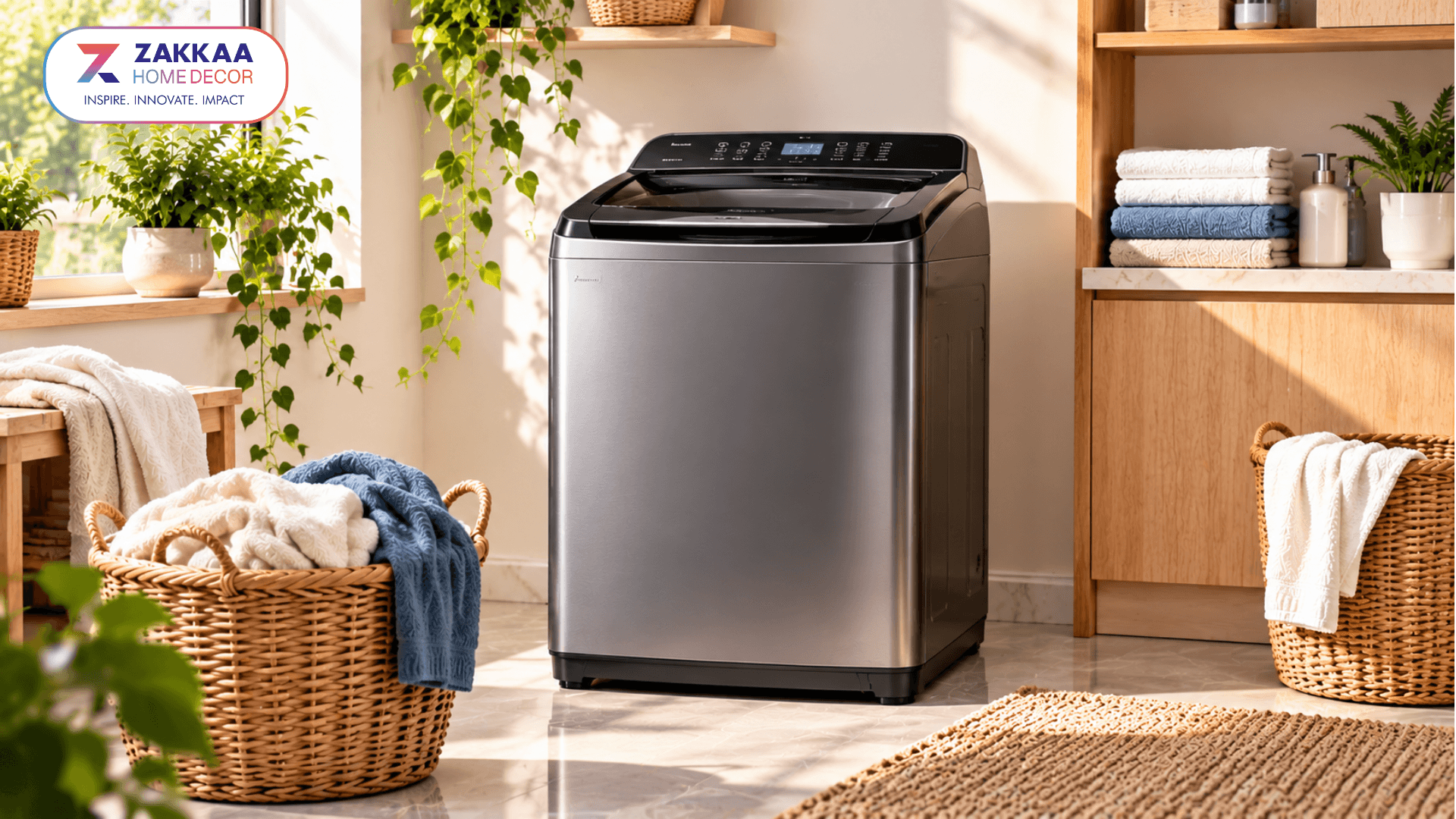
Pros: Convenient loading, simple operation, and automatic washing cycles with minimal manual effort.
Cons: Some models use more water than front-load machines, and certain designs may offer fewer advanced fabric-care options.
3. Fully Automatic Front-Load Washing Machine
A fully-automatic front-load washing machine has a front-facing door and uses a horizontal drum to wash clothes. Many models offer specialised programmes and strong water and energy performance, although results vary by model and selected cycle.
Best for: Households that want a range of wash programmes, regular laundry convenience, and features designed for different fabric-care needs.
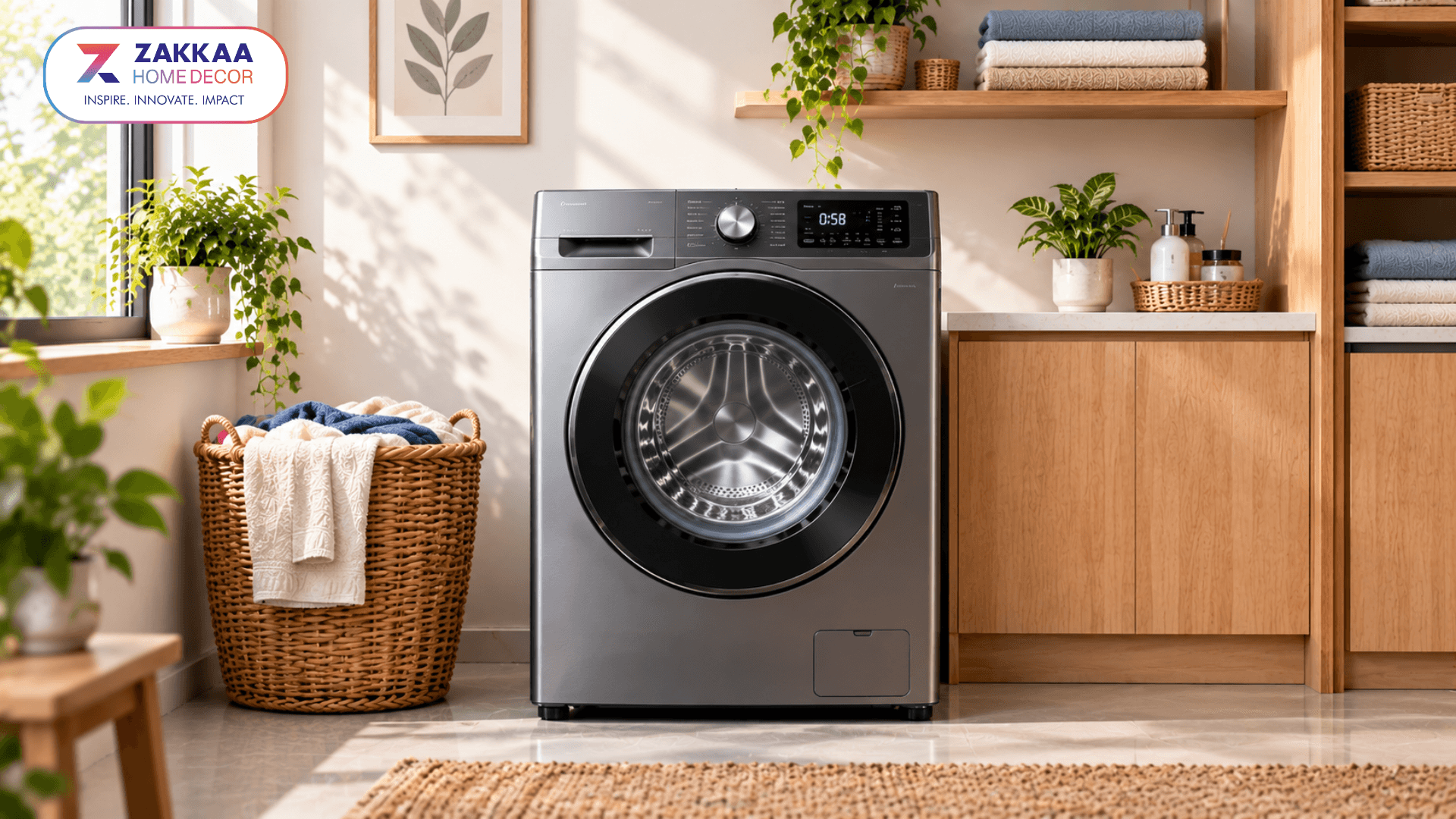
Pros: Generally lower water consumption, effective cleaning, and a wide range of specialised wash programmes.
Cons: Often costs more upfront, requires bending to load and unload clothes, and may need regular door-seal maintenance.
Key Factors To Consider Before Buying Energy-Efficient Washing Machine
An energy-efficient washing machine can reduce electricity consumption, control water usage, and lower your monthly household expenses. The right model should balance cleaning performance, capacity, and running costs. The key factors below will help you choose a machine that suits your laundry needs and budget.
1. Choose The Right Capacity
Capacity determines how much laundry you can wash in one cycle. Buying too small a machine may mean running extra loads, while an unnecessarily large model can take up more space and cost more upfront.
Small Households: Consider a compact capacity suited to your regular laundry volume.
Medium-Sized Families: Compare mid-range capacities based on clothing, towels, and bedding.
Large Families: Look for greater capacity if you regularly wash bulky items or large laundry loads.
Do not choose capacity based on family size alone. Your washing frequency, clothing habits, and access to laundry facilities also matter.
2. Check Water And Electricity Consumption
Running costs can make a noticeable difference over the life of a washing machine. Compare the model's energy label, declared consumption, and water-use information rather than relying on general claims about efficiency.
The Bureau of Energy Efficiency (BEE) explains that star labels help consumers compare the energy performance of similar appliances and make more informed purchasing decisions. Check the current label on the exact model you plan to buy.
3. Look For Useful Wash Programmes
More programmes do not automatically mean a better washing machine. Focus on cycles you will genuinely use, such as:
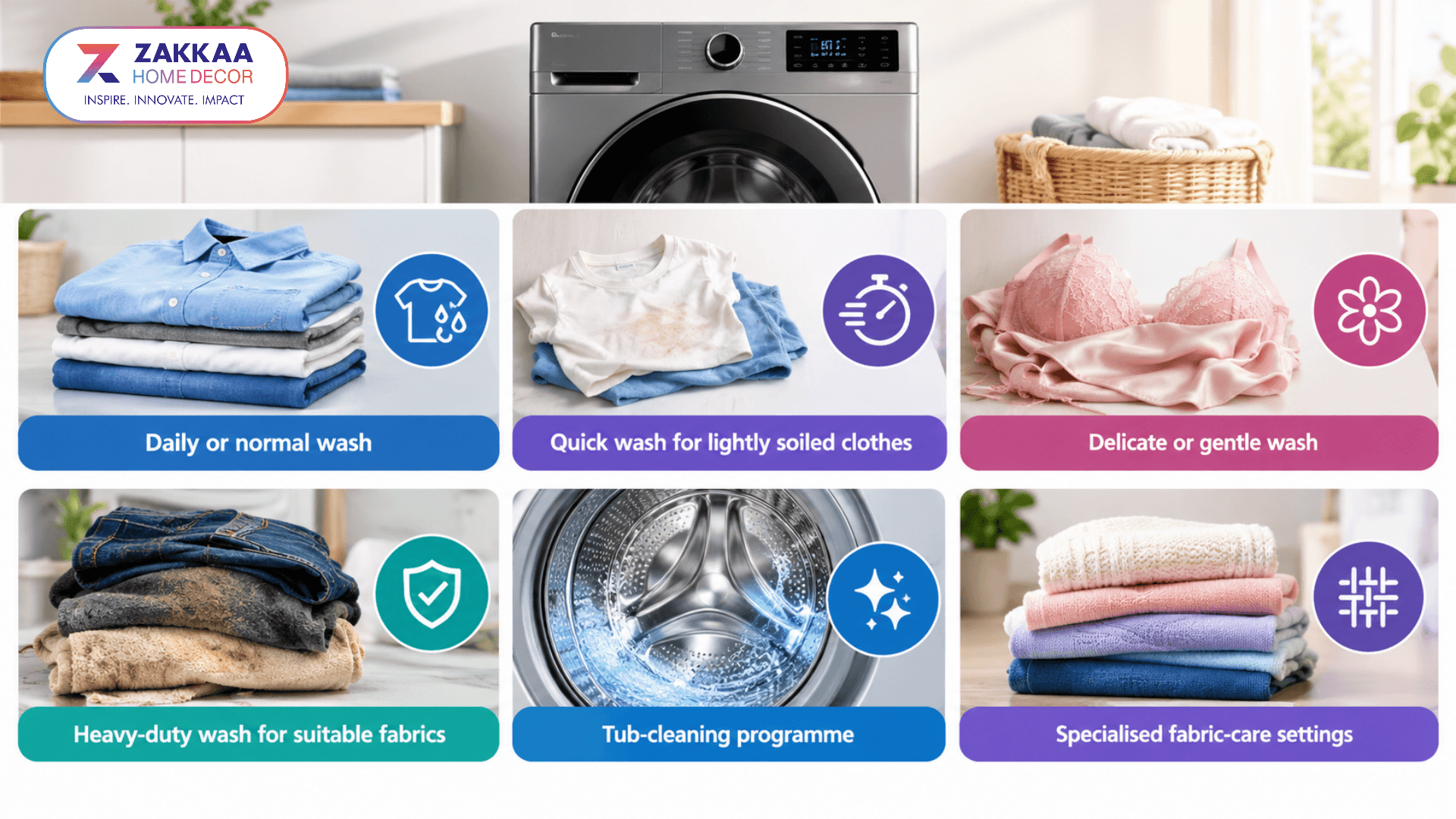
Daily or normal wash
Quick wash for lightly soiled clothes
Delicate or gentle wash
Heavy-duty wash for suitable fabrics
Tub-cleaning programme
Specialised fabric-care settings, where available
Always follow garment care labels and the manufacturer's instructions.
4. Compare Spin Speed And Drying Time
A washing machine's spin cycle removes water from clothes before drying. A higher spin speed can reduce the moisture remaining in suitable fabrics, but it may not be ideal for every garment.
Check the available spin settings and whether they can be adjusted for delicate clothing. Remember that a washing machine spins clothes to remove water; it does not necessarily dry them completely.
5. Consider Space And Installation
Measure the installation area before selecting a model. Account for the machine's dimensions, door or lid clearance, water connections, drainage, and access for maintenance.
Also consider where the machine will be delivered and whether it can pass through staircases, corridors, or doorways. A model that fits the floor plan may still be difficult to install if access is restricted.
6. Check Warranty And Service Support
Before purchasing, review the warranty for the machine, motor, and other covered components. Confirm what is excluded, how service requests are raised, and whether authorised service support is available in your area.
Also check the availability and cost of common replacement parts. A clear service process can be just as important as the initial purchase price.
Top-Load Vs Front-Load Washing Machine: Key Differences Explained
Top-load washing machines have a lid on top, making clothes easier to load without bending much, while front-load models feature a front-facing door and horizontal drum. Front-load machines generally use less water and energy, whereas top-load models often offer quicker access and simpler loading. The right choice depends on your budget, laundry habits, available space, and preferred features.
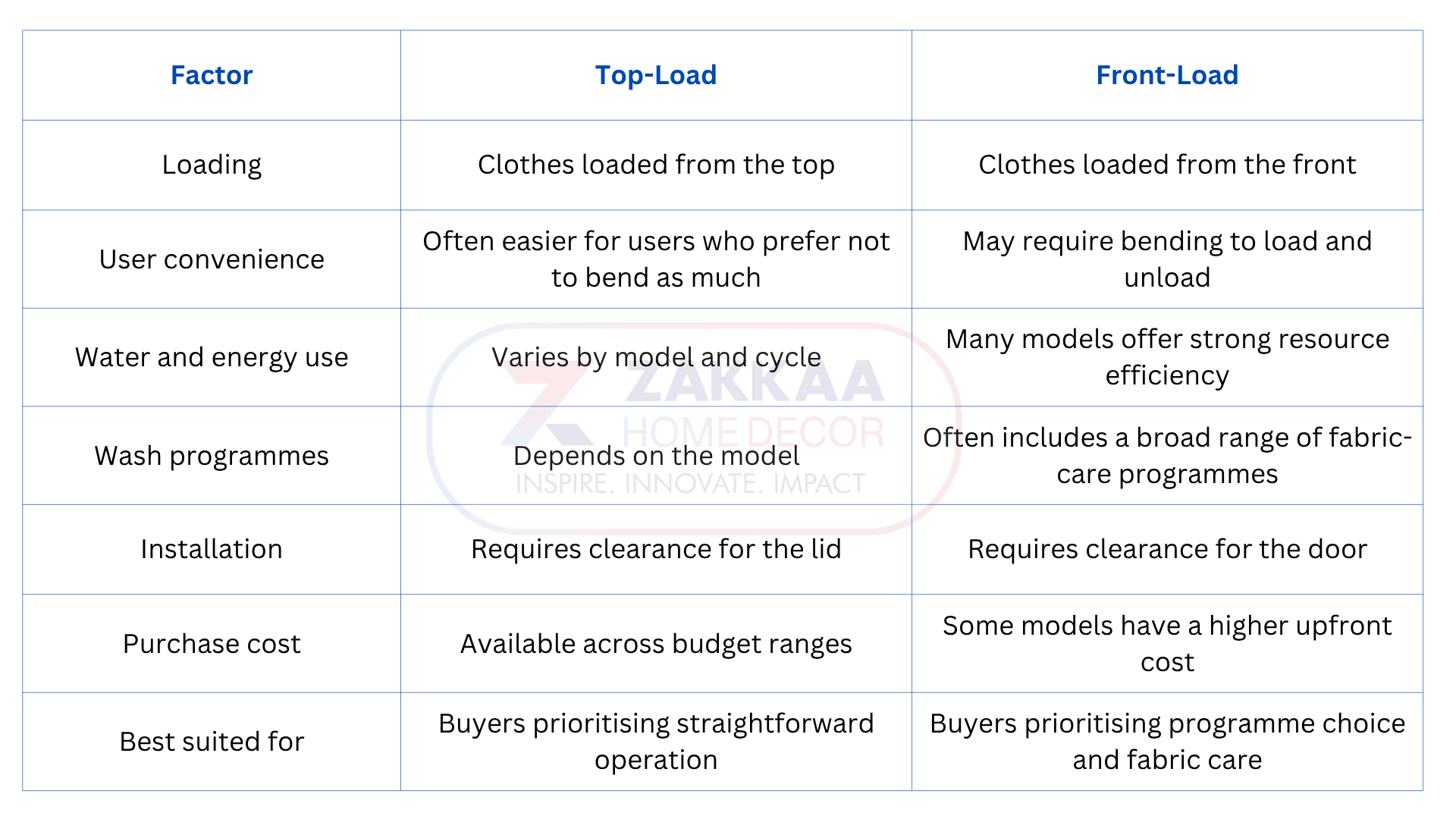
Neither type is automatically the best choice for every household. Compare specific models, running costs, and installation requirements before deciding.
Washing Machine Features Worth Paying Extra For
Some additional features can improve convenience, but they should solve a real problem rather than simply increase the purchase price.
Inverter Motor: May help manage motor operation and energy use, depending on the model and washing conditions.
Child Lock: Helps prevent unintended changes to controls during a cycle.
Delay Start: Allows you to schedule a wash cycle for a more convenient time.
Auto-Restart: Can resume operation after a power interruption on supported models.
Tub Cleaning: Helps maintain the drum when used according to the manufacturer's instructions.
Smart Connectivity: Allows supported machines to offer app-based monitoring or control.
Choose features based on your routine and budget. A reliable machine with suitable capacity and essential programmes may serve you better than an expensive model with functions you rarely use.
Common Washing Machine Buying Mistakes
Avoid these mistakes when comparing models:
Choosing The Lowest Price Alone: Check capacity, build quality, warranty, and running costs before making a decision.
Ignoring Water Availability: Consider your household's water supply and whether the selected machine suits your circumstances.
Overlooking Noise And Vibration: Review installation requirements and product information, especially if the machine will sit near bedrooms.
Buying Excess Capacity: Select a drum size that matches your usual laundry volume.
Assuming Every Fabric Can Use The Same Cycle: Check care labels and choose suitable programmes.
Skipping Safety And Compliance Checks: For the Indian market, verify applicable product certification and safety information. BIS identifies domestic electric washing machines under its quality-control framework. Buyers should check the relevant Standard Mark and current requirements for the product.
Zakkaa: Your Partner For Washing Machine Manufacturing
Zakkaa supports businesses exploring washing machine manufacturing and OEM sourcing opportunities. Whether you are planning to expand your appliance portfolio or develop a private-label offering, connect with Zakkaa to discuss your product requirements, manufacturing needs, and potential business opportunities.
Final Remarks
The best washing machine is the one that fits your laundry habits, family size, available space, and budget. Compare machine types, capacity, energy and water consumption, useful programmes, warranty coverage, and service availability before making your final choice. A careful comparison can help you avoid unnecessary costs and choose an appliance that suits your household over the long term. If you want to explore exclusive washing machine options for your home or business, partner with a trusted washing machine manufacturer to discuss your requirements and available sourcing options.
Frequently Asked Questions (FAQs)
How Long Does A Typical Washing Machine Cycle Take?
Cycle duration depends on the machine, selected programme, load size, and settings. Quick cycles may finish sooner, while intensive or specialised programmes can take considerably longer.
Can I Wash Blankets In A Home Washing Machine?
Check the machine's capacity and the blanket's care label first. Bulky items need enough room to move inside the drum, and some may require a larger-capacity machine or professional cleaning.
Is It Better To Run A Washing Machine With A Full Load?
A suitable full load can reduce the number of cycles required, but overloading may affect cleaning and strain the machine. Follow the manufacturer's loading guidance for each programme.
How Often Should A Washing Machine Be Cleaned?
Follow the manufacturer's maintenance schedule. Clean the detergent drawer and accessible filters as instructed, leave the door open when appropriate to help the drum dry, and run the recommended tub-cleaning cycle when needed.
Does A Washing Machine Need A Dedicated Electrical Connection?
Follow the manufacturer's installation requirements and have the electrical connection checked by a qualified professional when necessary. Avoid unsuitable extension leads and ensure the appliance is properly earthed.
What Should I Check Before Replacing An Old Washing Machine?
Compare the old machine's capacity and performance with your current needs. Check the cost of repair, energy and water use, service availability, installation space, and the price of a suitable replacement.