Oct 16, 20267 min readBy Aditya Singh
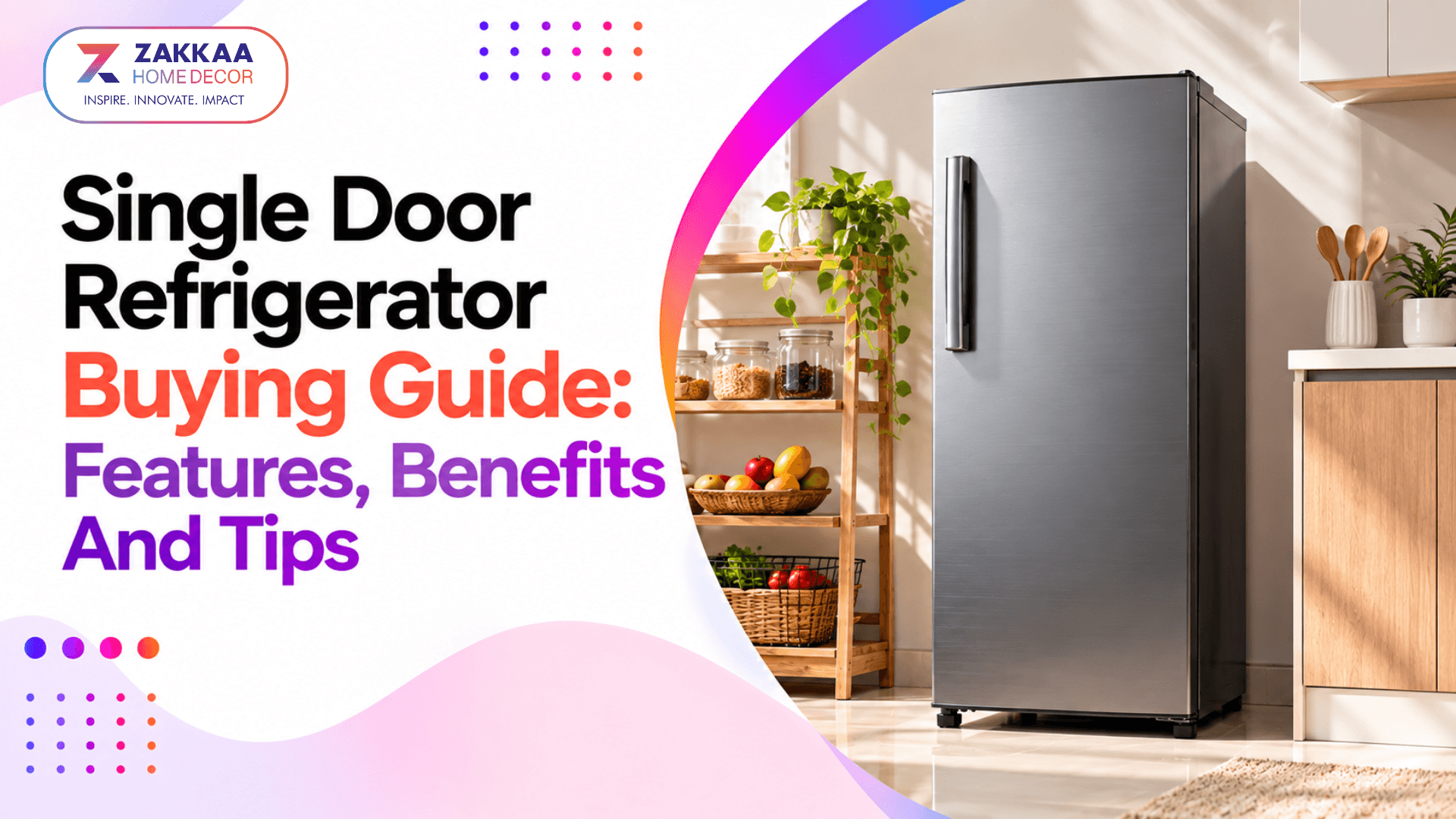
Looking for a refrigerator that keeps groceries fresh without taking up too much kitchen space? A single-door refrigerator offers a practical option for smaller households, rented homes, and kitchens where space and budget matter.
From direct-cool technology and adjustable shelves to energy efficiency and storage capacity, different models offer features suited to different lifestyles. Understanding these differences can help you avoid paying extra for features you rarely use.
Explore this single-door refrigerator buying guide to compare key features, understand the benefits, and learn what to check before making your purchase.
Why Choose A Single Door Refrigerator?
A single door fridge remains a popular option for households that need dependable everyday cooling without the larger footprint of a double door refrigerator. Its compact design and straightforward layout make it suitable for smaller kitchens, rented homes, student accommodation, and households with modest refrigeration needs.
For retailers and appliance dealers, this category also serves customers looking for affordable entry-level refrigerators. However, the best choice depends on family size, food storage habits, available kitchen space, and expected electricity consumption.
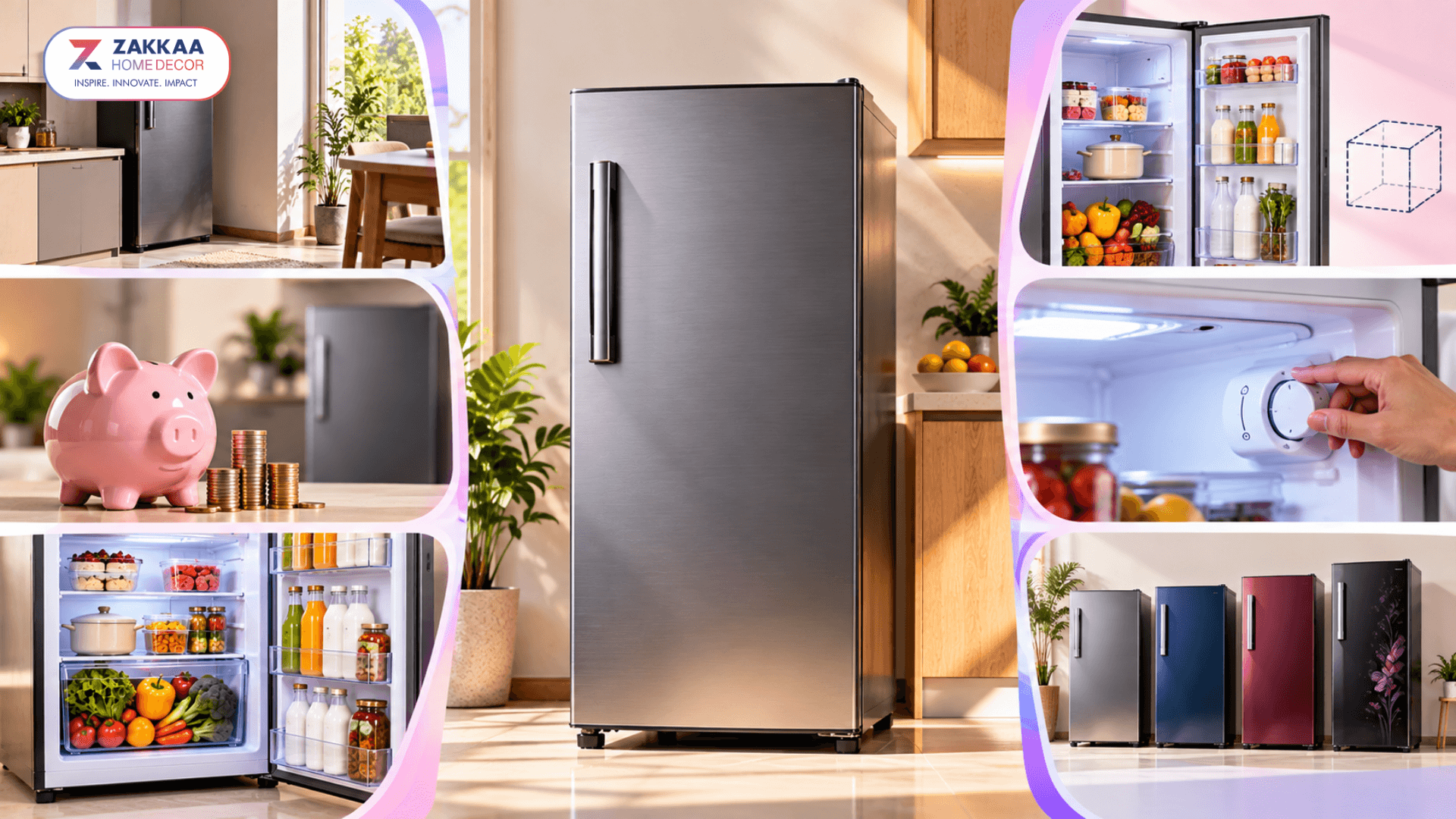
Here are the main benefits to consider:
Space-Saving Design: Compact dimensions make many single door refrigerators suitable for kitchens with limited floor space.
Budget-Friendly Pricing: Entry-level models can cost less upfront than comparable larger refrigerators.
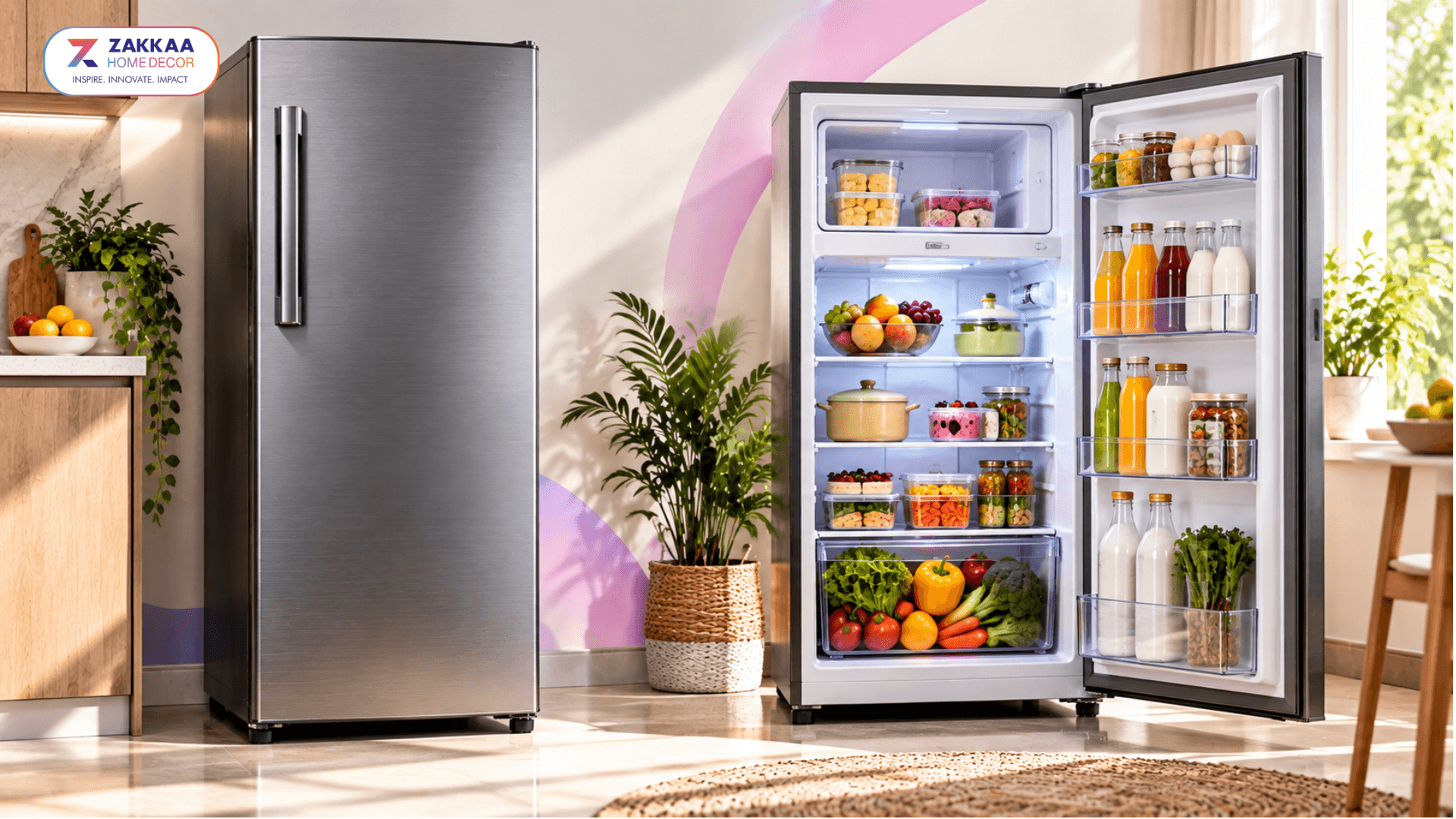
Practical Storage: Shelves, door racks, and vegetable compartments keep everyday food items organised.
Lower Capacity Requirements: Smaller households may not need the extra storage space offered by larger models.
Simple Everyday Operation: Familiar controls and straightforward layouts make routine use easy for many households.
Options For Different Budgets: Buyers can compare models with different capacities, finishes, shelves, and energy ratings.
Key Features To Check Before Buying A Single Door Fridge
Before selecting a single door refrigerator, compare these important specifications:
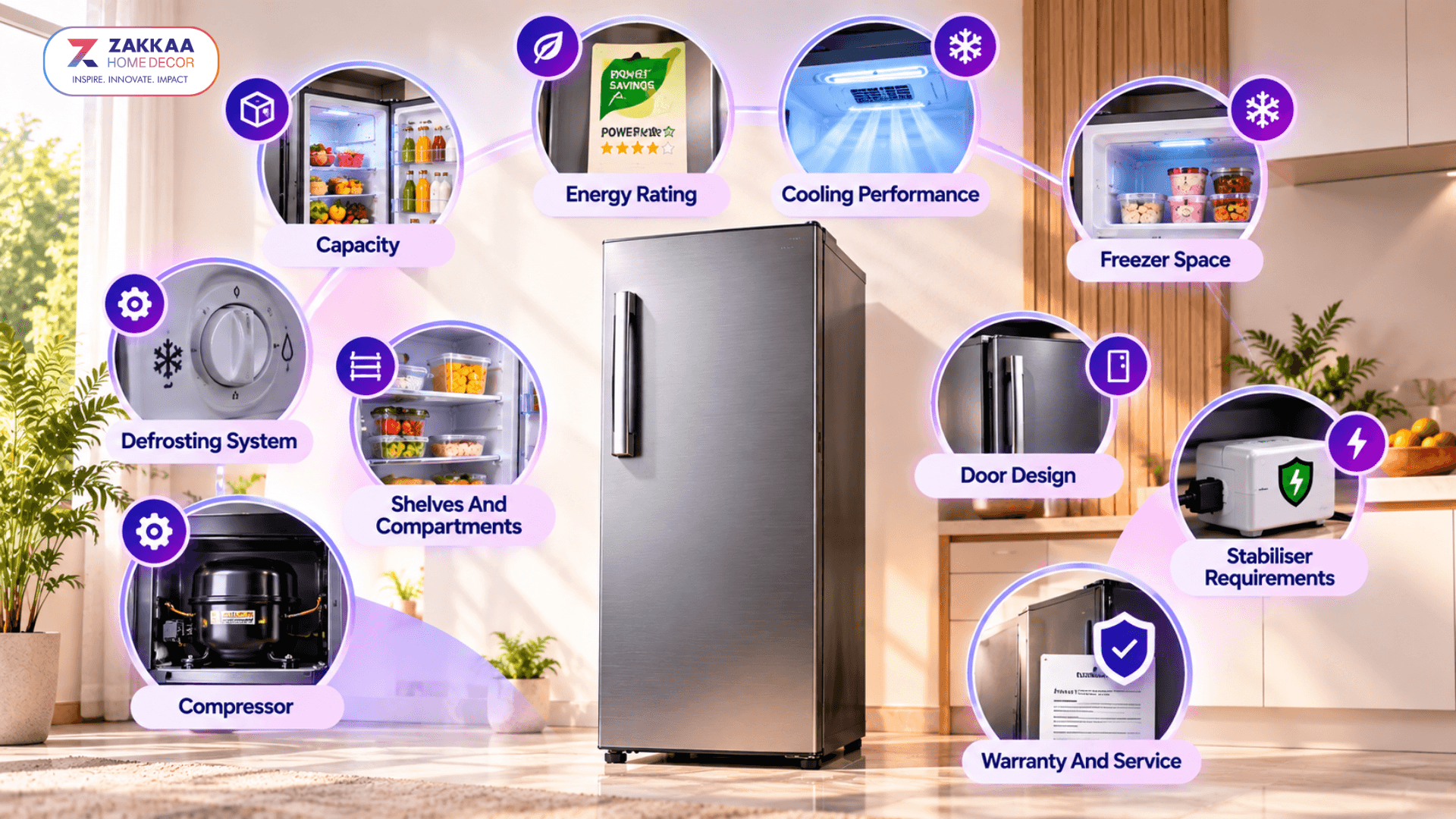
Capacity: Choose a storage capacity that suits your household size and grocery requirements.
Energy Rating: Check the applicable BEE star label and annual electricity consumption to estimate running costs.
Cooling Performance: Look for suitable cooling, temperature control, and freshness-preservation options.
Freezer Space: Check whether the freezer compartment meets your requirements for ice and frozen food.
Defrosting System: Understand whether the model requires manual defrosting and how frequently it may be needed.
Shelves And Compartments: Look for sturdy shelves, useful door racks, and suitable vegetable storage.
Compressor: Review the compressor type, operating noise, warranty, and service conditions.
Door Design: Check the handle, door seal, opening direction, and overall build quality.
Stabiliser Requirements: Confirm the recommended voltage range and whether a separate stabiliser is necessary.
Warranty And Service: Review product coverage, compressor warranty, service availability, and claim conditions.
Top Benefits To Choose A Single Door Refrigerator For Your Home
1. Budget-Friendly Purchase
Single door refrigerators generally cost less than many larger, multi-door models. They can be suitable for first-time buyers, smaller households, rental properties, and customers seeking essential refrigeration without paying for additional compartments.
2. Compact Kitchen Fit
Their relatively small footprint makes them useful for compact kitchens, studio apartments, hostels, and other spaces where floor area is limited. Always check the dimensions and ventilation clearance before installation.
3. Lower Energy Consumption In Many Models
Many single door refrigerators have modest power requirements because of their size and design. However, actual electricity consumption depends on the model, energy rating, usage, ambient temperature, and maintenance. Compare the energy label rather than assuming every compact refrigerator will be economical.
4. Simple Everyday Operation
Straightforward controls and an uncomplicated layout make these refrigerators easy to use. They can suit households that primarily need space for vegetables, dairy products, beverages, leftovers, and daily groceries.
5. Practical For Small Households
For individuals, couples, and small families with moderate grocery requirements, a single door refrigerator can provide sufficient storage without occupying unnecessary space. Larger households may need additional capacity.
How To Buy The Right Single Door Fridge For Your Space
A good purchase starts with your actual storage requirements rather than the lowest advertised price. Use these tips to compare available models.
Tip 1: Assess Your Household Size
Consider how many people will use the refrigerator and how often you shop for groceries. A smaller household with frequent shopping trips may need less capacity than a family that stores groceries for an entire week.
Tip 2: Compare Capacity And Dimensions
Check the listed capacity in litres, internal layout, and external measurements. Measure your kitchen space and leave the ventilation clearance recommended by the manufacturer. Also ensure the refrigerator can pass through doorways and staircases during delivery.
Tip 3: Check Electricity Costs
Compare the applicable BEE star rating and annual energy consumption figures. A model with a higher purchase price may offer savings over time, depending on the difference in electricity use and how long you keep the appliance.
Tip 4: Review Cooling And Storage Needs
Check the freezer compartment, vegetable box, shelf arrangement, and temperature controls. If you frequently store frozen food, compare the available freezer space carefully before making a decision.
Tip 5: Check Warranty And After-Sales Service
Read the warranty terms for the refrigerator and compressor separately. Confirm service availability in your area, the process for raising complaints, and whether installation or demonstration is included.
Tip 6: Compare Total Purchase Cost
Look beyond the listed price. Include delivery, installation, accessories, and any additional stabiliser costs when applicable. Compare similar capacities and specifications to identify genuine value.
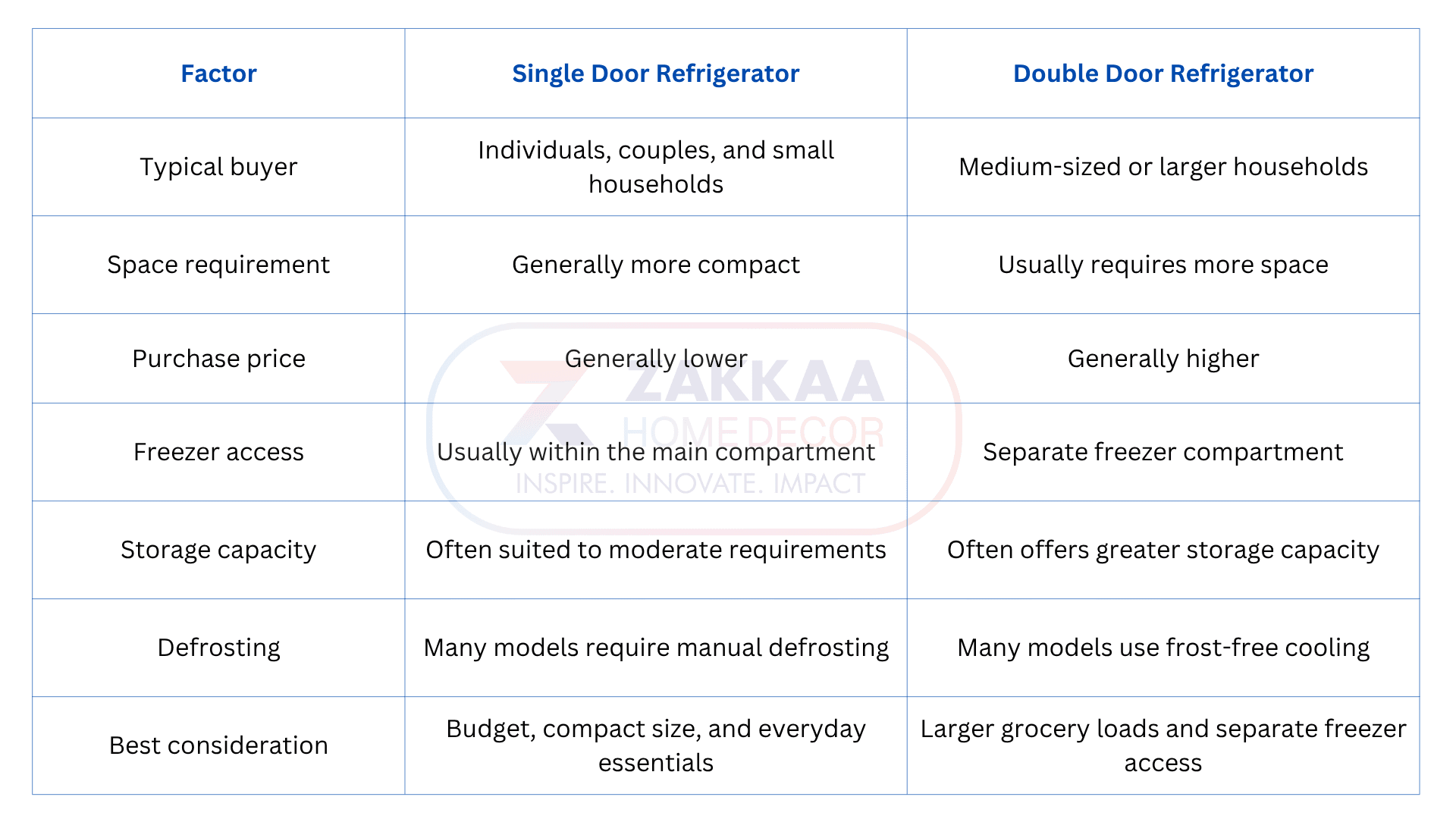
Single Door Vs Double Door Refrigerator: Key Differences
Single door and double door refrigerators differ in storage capacity, cooling layout, energy consumption, and suitability for different households. Single door models are compact, budget-friendly, and ideal for small families, while double door refrigerators offer more space, separate freezer compartments, and greater convenience for larger households. Understanding these key differences helps you choose the right refrigerator based on your family size, kitchen space, food storage needs, and budget.
Common Mistakes To Avoid While Buying Single-Door Refrigerator
A few simple checks can prevent disappointment after purchase.
Choosing Only By Price: A low upfront cost may not represent the best long-term value if energy consumption or service expenses are higher.
Ignoring Measurements: An appliance that does not fit the allocated space can complicate installation and ventilation.
Overlooking The Energy Label: Compare the declared consumption instead of relying on broad claims about energy savings.
Underestimating Storage Needs: Consider your regular grocery volume, container sizes, and freezer requirements.
Skipping Warranty Checks: Understand what the warranty covers, its duration, and any exclusions.
Ignoring Installation Guidance: Follow the manufacturer's instructions for positioning, ventilation, levelling, and initial operation.
Why Choose Zakkaa for Refrigerator Manufacturing?
Zakkaa offers a sourcing option for businesses exploring refrigerator manufacturing partnerships, private-label opportunities, and bulk appliance requirements. By discussing product specifications, target markets, and supply expectations with the team, businesses can evaluate suitable options for their needs. Contact our experts to learn more about available refrigerator manufacturing and supply capabilities.
Final Thoughts
A single door refrigerator can be a sensible choice for smaller households, compact kitchens, and buyers who prioritise affordability and everyday convenience. Before purchasing, compare capacity, energy consumption, cooling requirements, dimensions, warranty terms, and the total cost of ownership. The best model is one that fits your household's needs without paying for unnecessary capacity or features. Looking for home appliance options for your business or household? Contact a reliable fridge manufacturer in India to discuss your requirements and explore suitable sourcing options.
Frequently Asked Questions (FAQs)
How Much Space Should I Leave Around A Single Door Refrigerator?
Follow the manufacturer's installation instructions for rear, side, and top clearance. Adequate ventilation helps the refrigerator release heat and operate as intended.
Can A Single Door Refrigerator Be Used In A Shop Or Office?
Yes, it can suit offices, small shops, staff rooms, and pantry areas where storage requirements are modest. Choose capacity based on the number of users and the items being stored.
How Long Should I Wait Before Switching On A Newly Delivered Refrigerator?
Follow the manufacturer's instructions, particularly if the refrigerator was transported at an angle or laid down. The recommended waiting period can vary by model and transport conditions.
What Should I Do If A Refrigerator Makes Unusual Noise?
Check whether the appliance is level and whether nearby objects are vibrating. If the noise continues, becomes unusually loud, or accompanies a cooling problem, contact authorised service support.
Is A Bigger Refrigerator Always More Expensive To Run?
Not necessarily. Electricity consumption depends on the model's design, energy efficiency, capacity, usage, and environment. Compare the energy label and annual consumption figures for the models you are considering.
What Should Retailers Compare When Selecting Single Door Refrigerators?
Retailers should assess customer demand, capacity options, energy ratings, purchase pricing, warranty terms, service coverage, supply availability, and expected margins before choosing models for their inventory.